
Remote Sensing and Image Analysis
Remote Sensing is the science of obtaining information about objects or areas from a distance, typically from aircraft or satellites. It involves the detection and measurement of electromagnetic radiation (such as visible light, infrared, a…
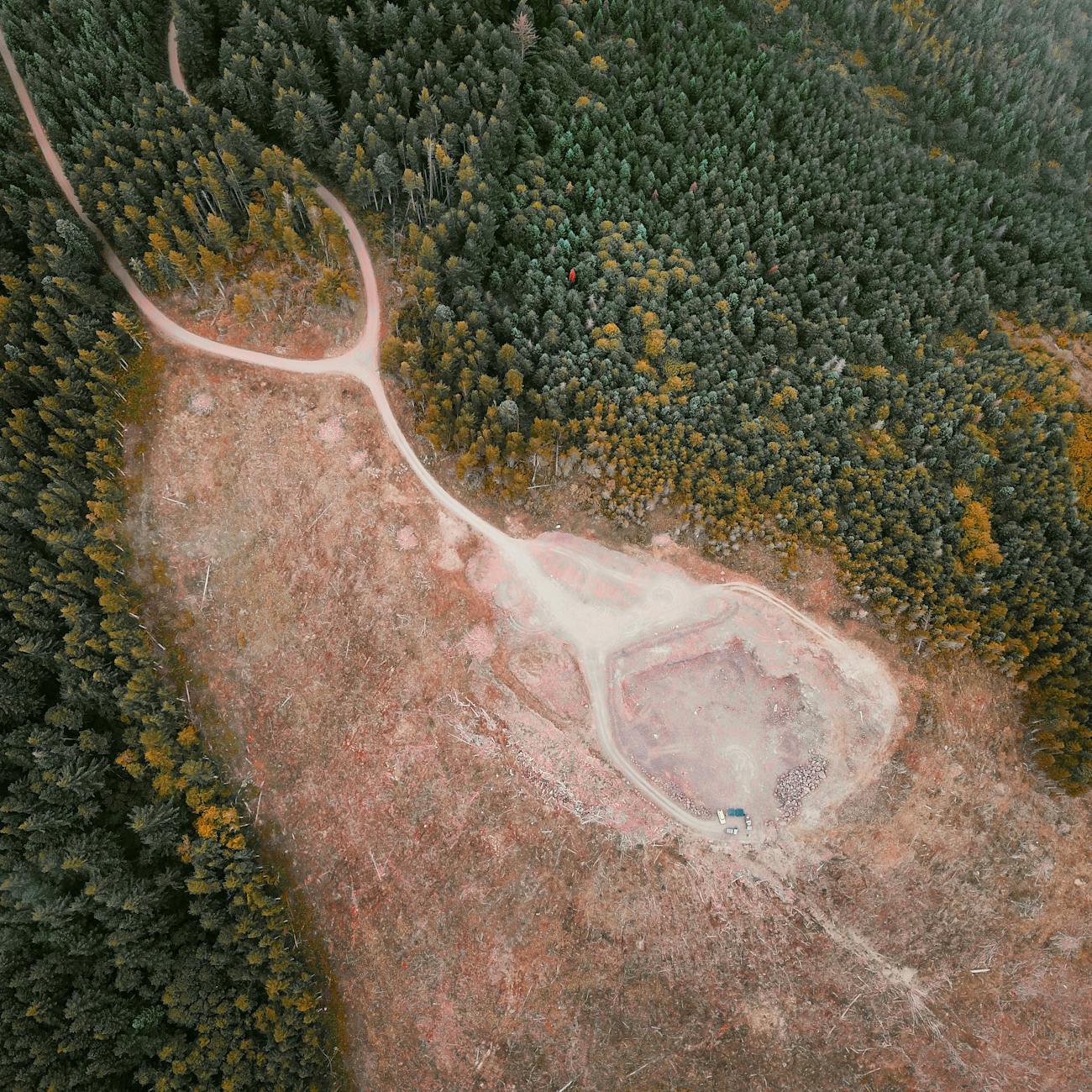
Remote Sensing is the science of obtaining information about objects or areas from a distance, typically from aircraft or satellites. It involves the detection and measurement of electromagnetic radiation (such as visible light, infrared, and microwave) reflected or emitted by objects. This technology has become an essential tool in various fields, including agriculture, urban planning, environmental monitoring, disaster management, and many more.
Image Analysis is the process of extracting meaningful information from images. It involves the interpretation and manipulation of digital images to extract features, classify objects, and detect patterns. Image analysis techniques are crucial in remote sensing to convert raw data into useful information for decision-making.
### Key Terms and Vocabulary
1. Electromagnetic Spectrum: The range of wavelengths of electromagnetic radiation, including gamma rays, X-rays, ultraviolet, visible light, infrared, microwaves, and radio waves. Different parts of the spectrum are used in remote sensing to capture information about the Earth's surface.
2. Resolution: In remote sensing, resolution refers to the level of detail that can be seen in an image. There are two main types of resolution: spatial resolution (the size of the smallest object that can be detected) and spectral resolution (the number of spectral bands available).
3. Pixel: Short for "picture element," a pixel is the smallest unit of a digital image. Each pixel represents a single point in the image and has a specific value that determines its color or intensity.
4. Sensor: A device that detects and measures electromagnetic radiation. Remote sensing sensors can be passive (rely on sunlight reflected from the Earth's surface) or active (emit their own radiation and measure the reflected signal).
5. Orthorectification: The process of removing distortions caused by terrain relief and sensor characteristics from an image to produce a geographically accurate representation of the Earth's surface.
6. Classification: The process of categorizing pixels or objects in an image into different classes based on their spectral characteristics. Common classification methods include supervised, unsupervised, and object-based classification.
7. Vegetation Index: A numerical indicator that quantifies the amount and health of vegetation in a specific area. Examples of vegetation indices include NDVI (Normalized Difference Vegetation Index) and EVI (Enhanced Vegetation Index).
8. Change Detection: The process of identifying and analyzing changes in land cover or land use over time. Change detection techniques compare multiple images acquired at different times to detect alterations in the landscape.
9. LiDAR: Light Detection and Ranging is a remote sensing technology that uses laser pulses to measure the distance between the sensor and the Earth's surface. LiDAR data is used for creating high-resolution elevation models and 3D representations of the terrain.
10. Geographic Information System (GIS): A system designed to capture, store, manipulate, analyze, manage, and present spatial or geographic data. GIS is often used in conjunction with remote sensing and image analysis to integrate and analyze different types of geospatial data.
11. Hyperspectral Imaging: An imaging technique that captures information in hundreds of narrow spectral bands, allowing for detailed analysis of the spectral signature of objects. Hyperspectral images are used for precise classification and identification of materials.
12. Thermal Infrared Imaging: Remote sensing using the thermal infrared portion of the electromagnetic spectrum to detect temperature variations on the Earth's surface. Thermal infrared imagery is essential for monitoring volcanic activity, wildfires, and energy loss in buildings.
13. Unmanned Aerial Vehicle (UAV): A small aircraft operated without a pilot on board that is equipped with sensors for capturing aerial imagery. UAVs are increasingly used for low-altitude remote sensing applications in agriculture, infrastructure monitoring, and disaster response.
14. Cloud Computing: A technology that allows remote sensing and image analysis tasks to be performed on remote servers over the internet. Cloud computing offers scalability and flexibility for processing large volumes of geospatial data efficiently.
15. Accuracy Assessment: The process of evaluating the reliability and precision of the results obtained from remote sensing and image analysis. Accuracy assessment involves comparing the classified or interpreted data with ground truth information to measure the error of the analysis.
16. Feature Extraction: The process of identifying and isolating specific objects or patterns in an image for further analysis. Feature extraction techniques are used to extract relevant information from images, such as roads, buildings, or vegetation.
17. Topographic Correction: A process that corrects for the effects of terrain illumination and slope on remote sensing data. Topographic correction ensures that the reflectance values in an image are consistent across different terrain conditions.
18. Radiometric Calibration: The process of adjusting sensor readings to ensure consistency and accuracy in remote sensing data. Radiometric calibration corrects for variations in sensor sensitivity, atmospheric conditions, and other factors that can affect the quality of the image.
19. Supervised Classification: A classification method where the user provides training samples to teach the algorithm to differentiate between different classes. Supervised classification requires prior knowledge of the study area and the characteristics of the classes being classified.
20. Object-Based Image Analysis (OBIA): An image analysis approach that segments an image into meaningful objects based on their spectral, spatial, and contextual characteristics. OBIA is used to classify and extract information at the object level, rather than at the pixel level.
21. Georeferencing: The process of assigning spatial coordinates to an image to align it with a specific location on the Earth's surface. Georeferencing is essential for integrating remote sensing data with other geospatial datasets in a common coordinate system.
22. Atmospheric Correction: A process that removes the effects of atmospheric interference on remote sensing data. Atmospheric correction algorithms compensate for the scattering and absorption of light by the atmosphere to improve the accuracy of the image analysis.
23. Multi-temporal Analysis: The comparison of multiple images acquired at different times to monitor changes in land cover, vegetation health, or other phenomena. Multi-temporal analysis helps to understand long-term trends and seasonal variations in the landscape.
24. Feature Fusion: The process of combining information from different sensors or sources to improve the accuracy and reliability of image analysis. Feature fusion techniques integrate data from multiple modalities, such as optical, radar, and LiDAR, to enhance the interpretation of remote sensing images.
25. Machine Learning: A branch of artificial intelligence that enables computers to learn from data and make predictions without being explicitly programmed. Machine learning algorithms are used in remote sensing for image classification, object detection, and pattern recognition tasks.
26. Geospatial Big Data: Large volumes of geospatial data generated by remote sensing, GPS, satellites, and other sources. Geospatial big data pose challenges for storage, processing, and analysis due to their size, variety, and velocity of acquisition.
27. Urban Remote Sensing: The application of remote sensing techniques to study urban areas and monitor urban growth, land use changes, and environmental quality. Urban remote sensing is essential for sustainable urban planning and management.
28. Deforestation Detection: The use of remote sensing to identify and monitor deforestation activities, such as clear-cutting of forests. Deforestation detection helps to assess the impact of human activities on forest ecosystems and biodiversity.
29. Precision Agriculture: The use of remote sensing and GIS technologies to optimize agricultural practices and increase crop yields. Precision agriculture integrates data from various sensors to monitor soil conditions, crop health, and water usage in real-time.
30. LiDAR Point Cloud: A collection of individual LiDAR points that represent the 3D coordinates of objects on the Earth's surface. LiDAR point clouds are used to create high-resolution digital elevation models and terrain profiles.
31. Geostatistics: A branch of statistics that focuses on the analysis and interpretation of spatial data. Geostatistical techniques are used in remote sensing and image analysis to model spatial variability, interpolate data, and quantify uncertainty.
32. Remote Sensing Platforms: Vehicles or systems used to carry remote sensing sensors, such as satellites, aircraft, drones, or ground-based stations. Remote sensing platforms enable the collection of data over large areas and in inaccessible locations.
33. Vegetation Mapping: The process of delineating and classifying vegetation types and coverages using remote sensing data. Vegetation mapping provides valuable information for biodiversity conservation, land management, and ecological studies.
34. LiDAR Data Processing: The manipulation and analysis of LiDAR data to extract terrain information, vegetation structure, and other features. LiDAR data processing includes point cloud filtering, classification, and 3D modeling.
35. Object-Based Change Detection: A change detection method that compares segmented objects in multiple images to identify changes in their properties over time. Object-based change detection reduces errors caused by pixel-level variability and improves the accuracy of change detection results.
36. Environmental Monitoring: The use of remote sensing technology to monitor natural and human-induced changes in the environment. Environmental monitoring applications include tracking deforestation, monitoring water quality, and assessing habitat loss.
37. LiDAR Data Fusion: The integration of LiDAR data with other remote sensing datasets, such as aerial imagery or satellite data. LiDAR data fusion combines the strengths of different sensors to improve the accuracy and completeness of the geospatial information.
38. Radar Remote Sensing: The use of radar systems to collect information about the Earth's surface by transmitting and receiving radio waves. Radar remote sensing is valuable for mapping terrain elevation, detecting changes in land cover, and monitoring coastal areas.
39. Object Detection: The process of identifying specific objects or features in an image using algorithms and machine learning techniques. Object detection is used in remote sensing for automatic detection of buildings, roads, vehicles, or other objects of interest.
40. Geospatial Analysis: The process of analyzing, interpreting, and visualizing geospatial data to understand patterns, relationships, and trends in the Earth's surface. Geospatial analysis combines remote sensing, GIS, and spatial statistics to extract knowledge from spatial data.
41. Image Enhancement: The process of improving the visual quality of images for better interpretation and analysis. Image enhancement techniques include contrast stretching, sharpening, filtering, and color balancing to highlight important features in the image.
42. Change Detection Accuracy: A measure of the reliability and correctness of change detection results. Change detection accuracy is assessed by comparing the detected changes with ground truth data to evaluate the omission and commission errors in the analysis.
43. LiDAR Data Visualization: The representation of LiDAR data in visual formats, such as 3D point clouds, digital elevation models, or intensity images. LiDAR data visualization helps to interpret and analyze the spatial distribution of objects and terrain features.
44. Object-Based Classification: A classification approach that groups pixels into meaningful objects based on their spectral and spatial characteristics. Object-based classification considers the context and shape of objects to improve the accuracy of the classification results.
45. Urban Growth Monitoring: The use of remote sensing and GIS technologies to monitor the expansion of urban areas over time. Urban growth monitoring helps urban planners and policymakers to assess the impact of urbanization on the environment and infrastructure.
46. LiDAR Data Analysis: The process of extracting information from LiDAR point clouds to generate digital elevation models, vegetation profiles, and other geospatial products. LiDAR data analysis includes point cloud processing, feature extraction, and terrain modeling.
47. Object-Based Change Analysis: An analysis method that evaluates changes in object properties between different time periods using object-based image analysis techniques. Object-based change analysis improves the accuracy of change detection results by considering spatial and contextual information.
48. Water Quality Monitoring: The use of remote sensing technology to assess water quality parameters, such as turbidity, chlorophyll concentration, and pollutants in water bodies. Water quality monitoring helps to identify sources of contamination and track changes in aquatic ecosystems.
49. Geospatial Data Integration: The process of combining and harmonizing different types of geospatial data from multiple sources for analysis and visualization. Geospatial data integration enables the creation of comprehensive and accurate geospatial information products.
50. LiDAR Data Classification: The assignment of LiDAR points to different classes or categories based on their elevation, intensity, or other attributes. LiDAR data classification is used to differentiate terrain features, vegetation types, and man-made structures in LiDAR point clouds.
51. Object-Based Image Interpretation: The process of visually analyzing and interpreting objects and features in remote sensing images based on their shape, size, color, and context. Object-based image interpretation helps to identify and classify objects more accurately than pixel-based methods.
52. LiDAR Data Filtering: The removal of noise, outliers, and unwanted points from LiDAR point clouds to clean and prepare the data for further analysis. LiDAR data filtering improves the quality and accuracy of the derived elevation models and terrain profiles.
53. Object-Based Change Detection: A change detection method that compares segmented objects in multiple images to identify changes in their properties over time. Object-based change detection reduces errors caused by pixel-level variability and improves the accuracy of change detection results.
54. Environmental Impact Assessment: The evaluation of potential environmental consequences of development projects, policies, or activities using remote sensing and GIS tools. Environmental impact assessment helps to identify and mitigate negative impacts on the environment.
55. Thematic Mapper: A type of multispectral sensor commonly used in remote sensing for capturing images in multiple spectral bands. Thematic Mapper sensors provide high spatial resolution and spectral sensitivity for monitoring land cover and environmental changes.
56. Image Segmentation: The process of dividing an image into homogeneous regions or objects based on their spectral, spatial, or textural characteristics. Image segmentation is used to simplify complex images and facilitate feature extraction and classification processes.
57. Geospatial Data Management: The organization, storage, retrieval, and manipulation of geospatial data using databases, file systems, and data management software. Geospatial data management ensures the accessibility, integrity, and security of spatial data for analysis and decision-making.
58. Object-Based Change Mapping: The mapping of changes in object properties over time using object-based image analysis techniques. Object-based change mapping provides detailed information on the extent and nature of changes in the landscape for monitoring and planning purposes.
59. LiDAR Data Interpolation: The estimation of elevation values at unsampled locations in LiDAR point clouds to create continuous surfaces, such as digital elevation models. LiDAR data interpolation methods include inverse distance weighting, kriging, and triangulated irregular networks.
60. Remote Sensing Data Fusion: The integration of data from multiple sensors or platforms to combine the strengths and capabilities of different imaging modalities. Remote sensing data fusion enhances the quality and information content of the final products for improved analysis and interpretation.
61. Object-Based Land Cover Classification: A land cover classification method that segments images into objects based on their spectral and spatial properties and assigns land cover classes to each object. Object-based land cover classification improves the accuracy of land cover mapping by considering the context of objects.
62. LiDAR Data Visualization: The representation of LiDAR data in visual formats, such as 3D point clouds, digital elevation models, or intensity images. LiDAR data visualization helps to interpret and analyze the spatial distribution of objects and terrain features.
63. Object-Based Image Analysis Workflow: A systematic process for analyzing remote sensing images based on objects rather than pixels. Object-based image analysis workflows include image segmentation, feature extraction, classification, and change detection steps to derive meaningful information from the data.
64. Image Classification Accuracy Assessment: The evaluation of the accuracy and reliability of image classification results by comparing them with ground truth data. Image classification accuracy assessment measures the correctness and consistency of class assignments to assess the quality of the classification process.
65. LiDAR Data Filtering Techniques: Methods for removing noise, outliers, and irrelevant points from LiDAR point clouds to improve data quality. LiDAR data filtering techniques include statistical filters, outlier removal algorithms, and vegetation filtering methods to clean and preprocess the data.
66. Object-Based Change Detection Algorithm: An algorithm that compares segmented objects in multiple images to detect changes in their properties over time. Object-based change detection algorithms use spectral, spatial, and contextual information to identify and classify changes in the landscape accurately.
67. Urban Land Use Classification: The classification of urban land cover types, such as residential, commercial, industrial, and recreational areas, using remote sensing data. Urban land use classification helps urban planners and policymakers to assess urban sprawl, land use changes, and infrastructure development.
68. LiDAR Data Feature Extraction: The extraction of terrain features, vegetation structures, and man-made objects from LiDAR point clouds for further analysis and modeling. LiDAR data feature extraction methods include point cloud segmentation, object recognition, and 3D modeling techniques.
69. Object-Based Change Detection Workflow: A systematic process for detecting and quantifying changes in object properties over time using object-based image analysis techniques. Object-based change detection workflows include image registration, object matching, change analysis, and accuracy assessment steps.
70. LiDAR Data Classification Techniques: Methods for assigning LiDAR points to different classes or categories based on their elevation, intensity, or other attributes. LiDAR data classification techniques include supervised, unsupervised, and semi-supervised algorithms to differentiate terrain features, vegetation types, and built structures.
71. Image Segmentation Algorithms: Algorithms for dividing images into homogeneous regions or objects based on their spectral, spatial, or textural properties. Image segmentation algorithms include region growing, watershed transformation, and clustering methods to simplify complex images and facilitate feature extraction and classification processes.
72. Geospatial Data Integration Platforms: Software platforms and tools for combining and harmonizing different types of geospatial data from multiple sources for analysis and visualization. Geospatial data integration platforms enable users to integrate, analyze, and visualize spatial data efficiently for decision-making and planning purposes.
73. Object-Based Image Interpretation Techniques
Key takeaways
- This technology has become an essential tool in various fields, including agriculture, urban planning, environmental monitoring, disaster management, and many more.
- It involves the interpretation and manipulation of digital images to extract features, classify objects, and detect patterns.
- Electromagnetic Spectrum: The range of wavelengths of electromagnetic radiation, including gamma rays, X-rays, ultraviolet, visible light, infrared, microwaves, and radio waves.
- There are two main types of resolution: spatial resolution (the size of the smallest object that can be detected) and spectral resolution (the number of spectral bands available).
- Each pixel represents a single point in the image and has a specific value that determines its color or intensity.
- Remote sensing sensors can be passive (rely on sunlight reflected from the Earth's surface) or active (emit their own radiation and measure the reflected signal).
- Orthorectification: The process of removing distortions caused by terrain relief and sensor characteristics from an image to produce a geographically accurate representation of the Earth's surface.