
Introduction to Artificial Intelligence in Renewable Energy
Artificial Intelligence (AI) has become a transformative technology in many industries, including renewable energy. In this professional certificate course on Renewable Energy AI Solutions, you will delve into the intersection of AI and ren…
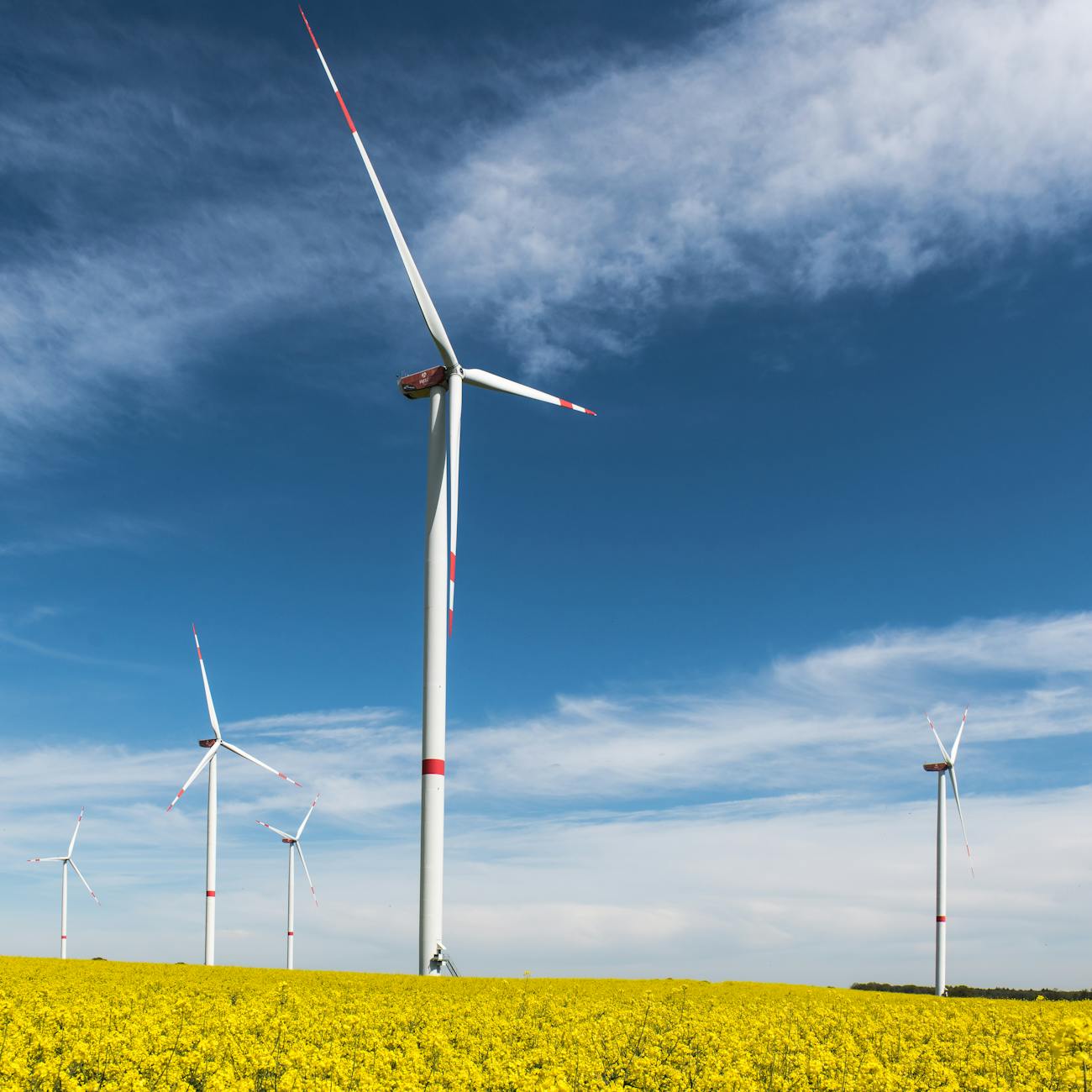
Artificial Intelligence (AI) has become a transformative technology in many industries, including renewable energy. In this professional certificate course on Renewable Energy AI Solutions, you will delve into the intersection of AI and renewable energy, exploring how AI can optimize energy generation, distribution, and consumption in sustainable ways.
Key Terms and Vocabulary:
1. Artificial Intelligence (AI): AI refers to the simulation of human intelligence processes by machines, particularly computer systems. These processes include learning, reasoning, problem-solving, perception, and decision-making.
2. Renewable Energy: Renewable energy is energy that is collected from renewable resources, which are naturally replenished on a human timescale, such as sunlight, wind, rain, tides, waves, and geothermal heat.
3. Machine Learning: Machine learning is a subset of AI that enables machines to learn from data without being explicitly programmed. It focuses on the development of algorithms that can learn and make predictions or decisions based on data.
4. Deep Learning: Deep learning is a subset of machine learning that uses neural networks with multiple layers to model and represent complex patterns in data. It has been particularly successful in areas such as image and speech recognition.
5. Neural Networks: Neural networks are a set of algorithms, modeled loosely after the human brain, that are designed to recognize patterns. They interpret sensory data through a kind of machine perception, labeling, and clustering raw input.
6. Energy Optimization: Energy optimization refers to the process of maximizing energy efficiency while minimizing waste. It involves using AI algorithms to optimize energy production, distribution, and consumption in renewable energy systems.
7. Predictive Maintenance: Predictive maintenance is a technique that uses AI algorithms to predict when equipment or machinery is likely to fail so that maintenance can be performed just in time to prevent breakdowns and costly repairs.
8. Energy Forecasting: Energy forecasting involves predicting future energy demand and supply based on historical data, weather patterns, and other relevant factors. AI techniques such as machine learning can be used to improve the accuracy of energy forecasts.
9. Smart Grid: A smart grid is an electrical grid that uses digital communication technology to detect and react to local changes in usage, improve efficiency, and integrate renewable energy sources. AI plays a crucial role in optimizing smart grid operations.
10. Grid Integration: Grid integration refers to the process of integrating renewable energy sources into the existing electrical grid. AI can help manage the variability of renewable energy generation and ensure a stable and reliable power supply.
11. Demand Response: Demand response is a strategy that involves adjusting electricity consumption in response to fluctuating energy prices or supply. AI algorithms can help optimize demand response programs and reduce peak load on the grid.
12. Energy Storage: Energy storage technologies such as batteries play a vital role in storing excess energy generated from renewable sources for use during times of high demand. AI can help optimize energy storage systems and improve overall system efficiency.
13. Reinforcement Learning: Reinforcement learning is a type of machine learning that trains algorithms to make sequential decisions by rewarding desired behaviors and punishing undesired ones. It has applications in optimizing renewable energy systems.
14. Internet of Things (IoT): The Internet of Things refers to a network of interconnected devices that can communicate and exchange data with each other. IoT devices can be used to collect real-time data on energy consumption and production in renewable energy systems.
15. Data Analytics: Data analytics involves analyzing large datasets to uncover patterns, insights, and trends. AI techniques such as machine learning and deep learning are used in data analytics to extract valuable information from renewable energy data.
16. Energy Efficiency: Energy efficiency refers to using less energy to provide the same level of service or output. AI can help improve energy efficiency by optimizing energy use, reducing waste, and identifying opportunities for energy savings.
17. Energy Management Systems (EMS): EMS are computer-based systems that monitor, control, and optimize energy consumption in buildings or industrial facilities. AI can enhance EMS capabilities by providing real-time insights and recommendations for energy savings.
18. Distributed Energy Resources (DERs): DERs are small-scale power generation technologies that are located close to the end-users. Examples include solar panels, wind turbines, and microgrids. AI can help manage DERs efficiently and integrate them into the grid.
19. Energy Policy: Energy policy refers to government regulations, incentives, and initiatives that aim to promote renewable energy adoption, reduce greenhouse gas emissions, and achieve energy sustainability. AI can inform and support the development of effective energy policies.
20. Carbon Footprint: A carbon footprint is the total amount of greenhouse gases, particularly carbon dioxide, that are emitted directly or indirectly by human activities. AI can help organizations measure and reduce their carbon footprint by optimizing energy use and adopting renewable energy solutions.
In this course on Renewable Energy AI Solutions, you will explore how these key terms and concepts are applied in the renewable energy sector. By leveraging AI technologies and strategies, you can help drive the transition to a more sustainable and efficient energy future.
Key takeaways
- In this professional certificate course on Renewable Energy AI Solutions, you will delve into the intersection of AI and renewable energy, exploring how AI can optimize energy generation, distribution, and consumption in sustainable ways.
- Artificial Intelligence (AI): AI refers to the simulation of human intelligence processes by machines, particularly computer systems.
- Renewable Energy: Renewable energy is energy that is collected from renewable resources, which are naturally replenished on a human timescale, such as sunlight, wind, rain, tides, waves, and geothermal heat.
- Machine Learning: Machine learning is a subset of AI that enables machines to learn from data without being explicitly programmed.
- Deep Learning: Deep learning is a subset of machine learning that uses neural networks with multiple layers to model and represent complex patterns in data.
- Neural Networks: Neural networks are a set of algorithms, modeled loosely after the human brain, that are designed to recognize patterns.
- It involves using AI algorithms to optimize energy production, distribution, and consumption in renewable energy systems.