
Avian Bandaging and Splinting
Avian bandaging and splinting are essential skills for anyone working with birds, whether it be in a veterinary setting, avian rescue, or as a bird owner. Understanding how to properly bandage and splint avian injuries can make a significan…
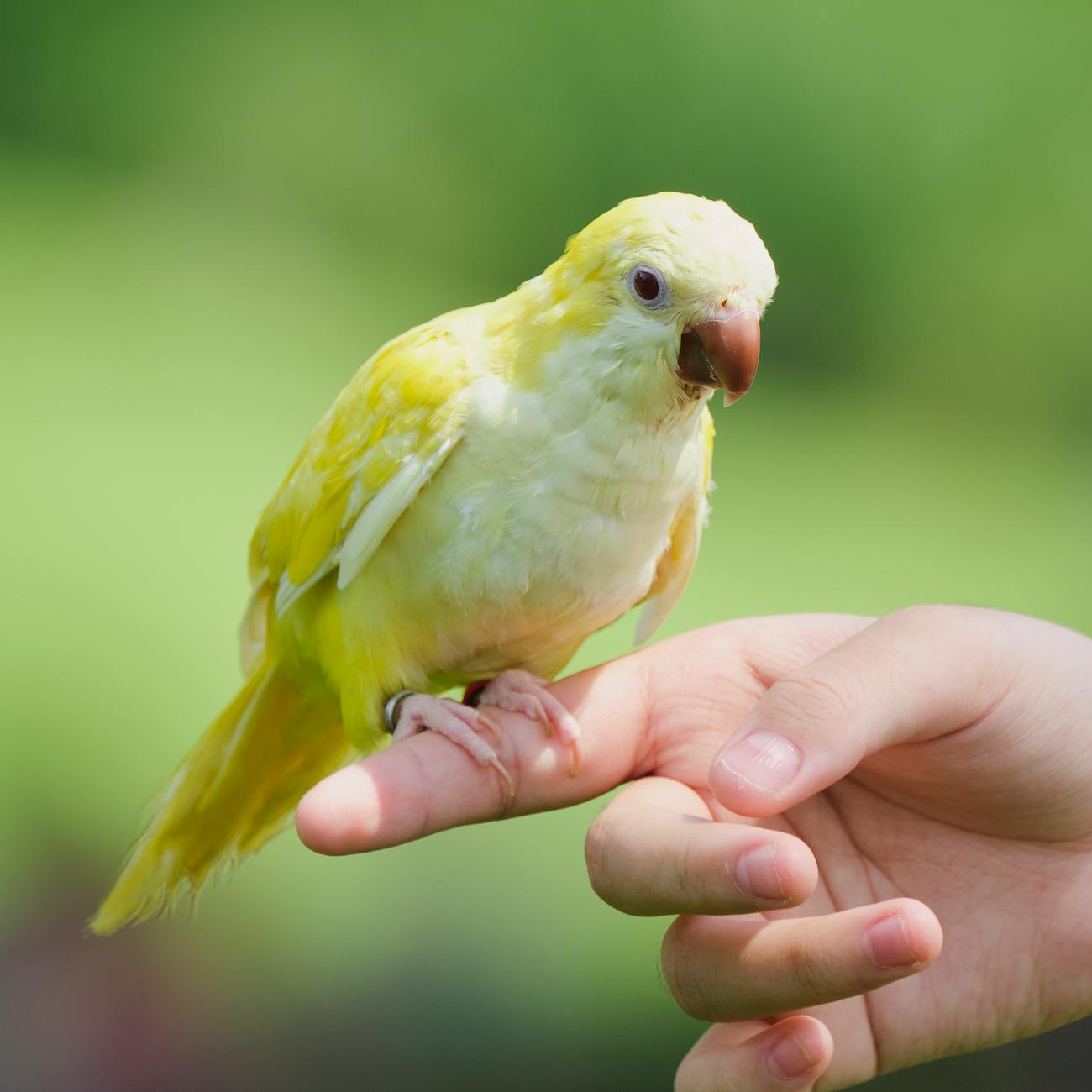
Avian bandaging and splinting are essential skills for anyone working with birds, whether it be in a veterinary setting, avian rescue, or as a bird owner. Understanding how to properly bandage and splint avian injuries can make a significant difference in the outcome for the bird. In this course, we will cover key terms and vocabulary related to avian bandaging and splinting to ensure you have a solid foundation in this important aspect of avian first aid.
**Feather Tracts:** Feather tracts refer to the areas on a bird's body where feathers grow. Understanding the feather tracts is important when bandaging a bird to ensure that the bandage does not interfere with the bird's ability to move or preen.
**Preening:** Preening is the act of grooming and maintaining feathers. Birds use their beaks to clean, align, and oil their feathers to keep them in good condition. When bandaging a bird, it is important to consider how the bandage may affect the bird's ability to preen.
**Primary Feathers:** Primary feathers are the large flight feathers located at the end of a bird's wing. These feathers are crucial for flight and should be protected when bandaging a wing injury.
**Secondary Feathers:** Secondary feathers are the smaller feathers located closer to the body on a bird's wing. While not as critical for flight as primary feathers, secondary feathers still play a role in the bird's ability to maneuver in the air.
**Contour Feathers:** Contour feathers are the feathers that cover a bird's body and give it its shape. These feathers provide insulation and protection for the bird and should be considered when bandaging a bird to ensure proper coverage and protection.
**Blood Feather:** A blood feather is a developing feather that still has a blood supply. If a blood feather is damaged or broken, it can result in significant bleeding. Knowing how to identify and handle a blood feather is crucial when bandaging a bird.
**Fracture:** A fracture is a break or crack in a bone. Avian fractures can occur in the wings, legs, or other bones in the bird's body. Proper splinting techniques are essential for stabilizing fractures and promoting healing.
**Immobilization:** Immobilization refers to the act of preventing movement in an injured body part. When splinting a bird, it is important to immobilize the affected area to prevent further injury and promote healing.
**Traction:** Traction is a pulling force applied to a limb to align and stabilize a fracture. When splinting a bird, traction may be necessary to properly align the bones and promote healing.
**Bandage:** A bandage is a material used to wrap and protect an injured body part. Bandages can help control bleeding, provide support, and protect the wound from infection. When bandaging a bird, it is important to use materials that are safe and appropriate for avian skin and feathers.
**Splint:** A splint is a rigid device used to immobilize and support an injured limb. Splints can help stabilize fractures, prevent further injury, and promote healing. When splinting a bird, it is important to use materials that are lightweight, durable, and properly sized for the bird's anatomy.
**Elastic Bandage:** An elastic bandage is a stretchy material that is used to wrap and compress an injury. Elastic bandages are commonly used in avian bandaging to provide support and protection without restricting movement.
**Gauze:** Gauze is a thin, woven fabric used to cover wounds and absorb fluids. Gauze can be used in avian bandaging to provide a protective layer between the wound and the bandage material.
**Adhesive Tape:** Adhesive tape is a sticky material used to secure bandages and dressings in place. When bandaging a bird, it is important to use adhesive tape that is safe for use on avian skin and feathers.
**Cast Padding:** Cast padding is a soft, cushioning material used to protect the skin under a splint or cast. When splinting a bird, it is important to use cast padding to prevent pressure sores and irritation.
**Cohesive Bandage:** Cohesive bandage is a self-adhering material that sticks to itself but not to the bird's feathers or skin. Cohesive bandage is commonly used in avian bandaging to provide support and protection without causing damage to the bird's feathers.
**Wire Splint:** A wire splint is a rigid device made of wire that is used to stabilize a fracture in a bird's wing or leg. Wire splints are lightweight and can be custom-shaped to fit the bird's anatomy.
**Cardboard Splint:** A cardboard splint is a rigid device made of cardboard that is used to stabilize a fracture in a bird's wing or leg. Cardboard splints are lightweight and can be easily cut and shaped to fit the bird's anatomy.
**Foam Splint:** A foam splint is a soft, cushioning material used to support and protect an injured limb. Foam splints are lightweight and can be easily shaped to fit the bird's anatomy.
**External Fixator:** An external fixator is a device used to stabilize fractures by applying traction to the bones from outside the body. External fixators can be used in conjunction with splints to provide additional support and stability.
**Internal Fixation:** Internal fixation is a surgical technique used to stabilize fractures by placing hardware such as pins, screws, or plates inside the body. Internal fixation may be necessary for complex or severe fractures that cannot be adequately stabilized with external splinting.
**Wing Wrap:** A wing wrap is a bandage or splint specifically designed to immobilize a bird's wing. Wing wraps are commonly used to treat wing injuries and prevent the bird from further injuring itself.
**Leg Wrap:** A leg wrap is a bandage or splint specifically designed to immobilize a bird's leg. Leg wraps are commonly used to treat leg injuries and provide support for the bird while it heals.
**Ring Bandage:** A ring bandage is a bandage that is applied in a circular fashion around a bird's body or limb. Ring bandages are used to secure other bandages or dressings in place and provide additional support.
**Figure-Eight Bandage:** A figure-eight bandage is a bandage that is applied in a figure-eight pattern around a joint or body part. Figure-eight bandages are used to provide support and stability to the joint while allowing for some movement.
**Avian First Aid Kit:** An avian first aid kit is a collection of supplies and materials used to treat injuries and illnesses in birds. A well-stocked avian first aid kit should include bandages, splints, wound care supplies, and other essential items for treating common avian injuries.
**Emergency Transport:** Emergency transport refers to the process of safely moving an injured bird to a veterinary clinic or wildlife rehabilitation center for treatment. When transporting an injured bird, it is important to keep it warm, quiet, and secure to minimize stress and further injury.
**Common Avian Injuries:** Common avian injuries include wing fractures, leg fractures, soft tissue wounds, and feather injuries. Knowing how to properly bandage and splint these injuries can help improve the bird's chances of recovery.
**Challenges in Avian Bandaging and Splinting:** Avian bandaging and splinting present unique challenges due to the delicate nature of birds and their anatomy. Challenges may include dealing with fragile skin and feathers, preventing self-mutilation, and ensuring proper alignment and stabilization of fractures.
**Practice and Preparation:** Practice and preparation are key to mastering avian bandaging and splinting techniques. Regularly practicing bandaging and splinting on training models or under the guidance of a professional can help build confidence and proficiency in these skills.
**Continuing Education:** Continuing education is important for staying current on best practices and techniques in avian first aid. Attending workshops, seminars, and courses on avian bandaging and splinting can help expand your knowledge and skills in caring for injured birds.
By familiarizing yourself with the key terms and vocabulary related to avian bandaging and splinting, you will be better equipped to provide effective first aid to injured birds. Remember to always prioritize the bird's safety and comfort when bandaging and splinting injuries, and seek professional help when needed. With practice and dedication, you can become a skilled and confident avian first aider.
Key takeaways
- In this course, we will cover key terms and vocabulary related to avian bandaging and splinting to ensure you have a solid foundation in this important aspect of avian first aid.
- Understanding the feather tracts is important when bandaging a bird to ensure that the bandage does not interfere with the bird's ability to move or preen.
- When bandaging a bird, it is important to consider how the bandage may affect the bird's ability to preen.
- **Primary Feathers:** Primary feathers are the large flight feathers located at the end of a bird's wing.
- While not as critical for flight as primary feathers, secondary feathers still play a role in the bird's ability to maneuver in the air.
- These feathers provide insulation and protection for the bird and should be considered when bandaging a bird to ensure proper coverage and protection.
- **Blood Feather:** A blood feather is a developing feather that still has a blood supply.