
Remote Sensing Technologies for Climate Change Monitoring
Remote Sensing Technologies for Climate Change Monitoring
Remote Sensing Technologies for Climate Change Monitoring
Remote sensing technologies play a crucial role in monitoring and assessing climate change impacts on Earth. These technologies provide valuable data and information that help scientists, policymakers, and stakeholders understand the changes occurring in the environment and make informed decisions to mitigate the effects of climate change. In the context of the Global Certificate in AI for Climate Change Monitoring, it is essential to have a clear understanding of key terms and vocabulary related to remote sensing technologies used for climate change monitoring.
Remote Sensing
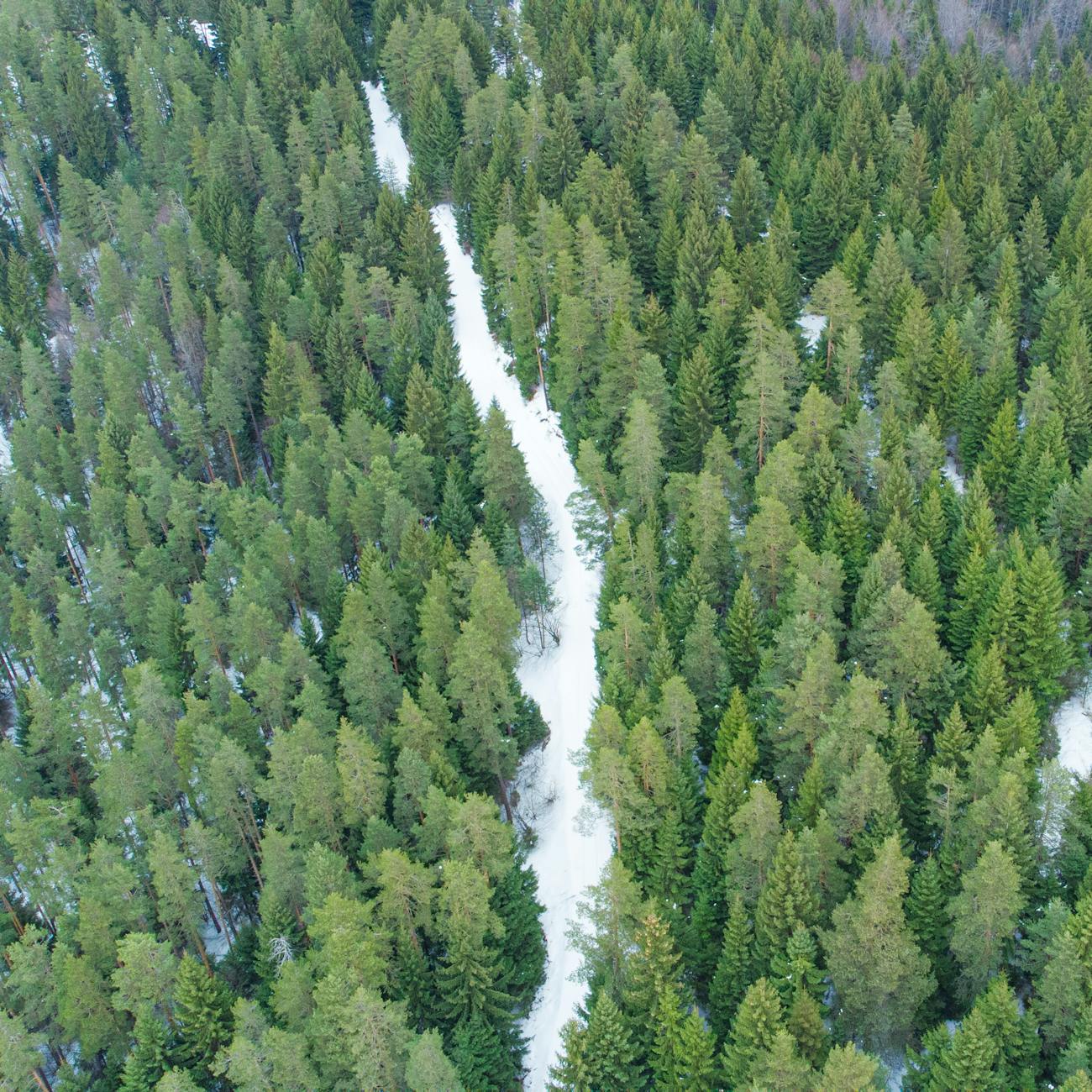
Remote sensing refers to the process of collecting data and information about the Earth's surface from a distance, typically using sensors on satellites, aircraft, or drones. This technology allows for the monitoring of environmental changes over large areas and helps in understanding various aspects of the Earth's systems, including climate, land use, and natural disasters.
Climate Change
Climate change refers to long-term changes in the Earth's climate, including rising temperatures, changing precipitation patterns, and increasing frequency of extreme weather events. It is primarily driven by human activities, such as the burning of fossil fuels, deforestation, and industrial processes, which release greenhouse gases into the atmosphere, leading to global warming.
Monitoring
Monitoring involves the systematic collection, analysis, and interpretation of data to track changes over time. In the context of climate change, monitoring helps in assessing the impacts of global warming on the environment, ecosystems, and human societies, and enables the development of strategies to mitigate these impacts.
Technologies
Technologies refer to the tools, instruments, and methods used to collect, process, and analyze data. In the field of climate change monitoring, technologies such as remote sensing, artificial intelligence (AI), geographic information systems (GIS), and big data analytics play a crucial role in gathering and interpreting environmental data to understand the dynamics of climate change.
Global Certificate in AI for Climate Change Monitoring
The Global Certificate in AI for Climate Change Monitoring is a specialized program that focuses on using artificial intelligence (AI) technologies to monitor and assess the impacts of climate change on the environment. The program aims to equip participants with the skills and knowledge to apply AI techniques to analyze remote sensing data and develop solutions for climate change mitigation and adaptation.
Key Terms and Vocabulary
1. Greenhouse Gases: Gases in the Earth's atmosphere, such as carbon dioxide (CO2), methane (CH4), and nitrous oxide (N2O), that trap heat and contribute to global warming.
2. Deforestation: The clearing of forests for agriculture, urban development, or logging, which leads to the release of carbon dioxide into the atmosphere and loss of biodiversity.
3. Global Warming: The increase in the Earth's average temperature due to the buildup of greenhouse gases, leading to changes in climate patterns and rising sea levels.
4. Remote Sensing Platforms: Satellites, aircraft, drones, or ground-based sensors used to collect data on the Earth's surface, atmosphere, and oceans for monitoring environmental changes.
5. Spectral Bands: Ranges of wavelengths of electromagnetic radiation used by remote sensing sensors to capture information about the Earth's surface characteristics, such as vegetation, water, and land cover.
6. Land Use/Land Cover Change: Changes in the way land is used or covered, such as deforestation, urbanization, or agriculture, which impact ecosystems, biodiversity, and climate patterns.
7. Climate Models: Computer simulations that predict future climate conditions based on historical data, scientific principles, and scenarios of greenhouse gas emissions.
8. AI Algorithms: Mathematical algorithms used in artificial intelligence systems to analyze, interpret, and make predictions based on large datasets, such as remote sensing data for climate change monitoring.
9. Geographic Information Systems (GIS): Software tools used to visualize, analyze, and interpret geospatial data, such as maps, satellite images, and remote sensing data, for environmental monitoring and management.
10. Big Data Analytics: Techniques and tools used to process, analyze, and extract insights from large volumes of data, such as remote sensing data, to identify trends, patterns, and anomalies related to climate change.
11. Hyperspectral Imaging: Remote sensing technology that captures images in hundreds of narrow spectral bands, allowing for detailed analysis of the Earth's surface properties, such as vegetation health, soil moisture, and pollution levels.
12. Thermal Infrared Imaging: Remote sensing technology that detects heat emitted by objects on the Earth's surface, enabling the measurement of surface temperatures and identification of heat anomalies, such as wildfires or urban heat islands.
13. Sea Level Rise: The gradual increase in the average global sea level due to the melting of polar ice caps, glaciers, and thermal expansion of seawater, resulting from global warming and climate change.
14. Carbon Sequestration: The process of capturing and storing carbon dioxide from the atmosphere in forests, oceans, or underground reservoirs to reduce greenhouse gas emissions and mitigate climate change.
15. Permafrost Thawing: The melting of permanently frozen soil in polar regions due to rising temperatures, releasing methane and carbon dioxide into the atmosphere and accelerating global warming.
16. Urban Heat Island: The phenomenon of higher temperatures in urban areas compared to surrounding rural areas, caused by human activities, such as buildings, roads, and vehicles, that absorb and retain heat.
17. Climate Resilience: The ability of ecosystems, communities, and infrastructure to withstand and adapt to the impacts of climate change, such as extreme weather events, sea level rise, and temperature changes.
18. Adaptation Strategies: Measures and actions taken to adjust to the impacts of climate change, such as building resilient infrastructure, implementing sustainable land management practices, and developing early warning systems.
19. Mitigation Measures: Actions and policies aimed at reducing greenhouse gas emissions and limiting the extent of global warming, such as transitioning to renewable energy sources, improving energy efficiency, and conserving natural resources.
20. Climate Finance: Funding and investments provided by governments, international organizations, and private sector entities to support climate change mitigation and adaptation projects, such as renewable energy development, forest conservation, and climate resilience initiatives.
Practical Applications
Remote sensing technologies have a wide range of practical applications in climate change monitoring and research. Some of the key applications include:
1. Monitoring Deforestation: Satellite imagery and remote sensing data are used to track changes in forest cover, identify deforestation hotspots, and assess the impact of deforestation on carbon sequestration and biodiversity.
2. Assessing Land Use Change: Remote sensing data is used to map land cover changes, such as urban expansion, agricultural intensification, and natural habitat loss, to understand the drivers of land use change and its implications for climate change.
3. Monitoring Glacier Retreat: Remote sensing technologies, such as radar imaging and thermal infrared sensors, are used to monitor the retreat of glaciers, measure ice loss, and assess the contribution of glacier melt to sea level rise.
4. Tracking Sea Level Rise: Satellite altimetry and radar sensors are used to measure changes in sea level, detect coastal erosion, and monitor the impact of rising sea levels on coastal communities and infrastructure.
5. Monitoring Urban Heat Islands: Thermal infrared imaging and remote sensing data are used to map urban heat islands, analyze temperature variations in urban areas, and develop strategies to mitigate heat-related health risks and energy consumption.
6. Assessing Carbon Storage: Hyperspectral imaging and LiDAR technology are used to estimate carbon stocks in forests, measure carbon sequestration rates, and monitor the effectiveness of conservation and reforestation projects in reducing greenhouse gas emissions.
Challenges
Despite the benefits of remote sensing technologies for climate change monitoring, there are several challenges that need to be addressed to improve data quality, accuracy, and accessibility. Some of the key challenges include:
1. Data Availability: Limited availability of high-quality and up-to-date remote sensing data, especially in developing countries and remote regions, hinders the monitoring and assessment of climate change impacts at a global scale.
2. Data Integration: Integrating data from multiple sources, such as satellite imagery, ground observations, and climate models, poses challenges in data harmonization, validation, and interpretation for climate change monitoring and research.
3. Data Processing: Processing and analyzing large volumes of remote sensing data require advanced computing resources, algorithms, and expertise in data science, which may be a barrier for researchers and practitioners lacking technical skills and resources.
4. Data Interpretation: Interpreting remote sensing data and extracting meaningful information for climate change assessments require domain knowledge, expertise in environmental science, and collaboration between researchers, policymakers, and stakeholders.
5. Data Sharing: Limited sharing of remote sensing data, research findings, and methodologies among the scientific community, governments, and private sector entities hinders collaboration, transparency, and innovation in climate change monitoring and research.
6. Data Privacy: Ensuring the privacy and security of remote sensing data, especially sensitive information related to land use, ecosystems, and vulnerable populations, is essential to protect against misuse, unauthorized access, and data breaches.
Conclusion
In conclusion, remote sensing technologies play a critical role in monitoring and assessing climate change impacts on Earth. Understanding key terms and vocabulary related to remote sensing technologies for climate change monitoring is essential for participants in the Global Certificate in AI for Climate Change Monitoring program. By familiarizing themselves with these terms and concepts, participants can effectively apply remote sensing data, AI techniques, and GIS tools to analyze environmental changes, develop adaptation strategies, and contribute to global efforts to mitigate the effects of climate change.
Key takeaways
- These technologies provide valuable data and information that help scientists, policymakers, and stakeholders understand the changes occurring in the environment and make informed decisions to mitigate the effects of climate change.
- This technology allows for the monitoring of environmental changes over large areas and helps in understanding various aspects of the Earth's systems, including climate, land use, and natural disasters.
- It is primarily driven by human activities, such as the burning of fossil fuels, deforestation, and industrial processes, which release greenhouse gases into the atmosphere, leading to global warming.
- In the context of climate change, monitoring helps in assessing the impacts of global warming on the environment, ecosystems, and human societies, and enables the development of strategies to mitigate these impacts.
- Technologies refer to the tools, instruments, and methods used to collect, process, and analyze data.
- The Global Certificate in AI for Climate Change Monitoring is a specialized program that focuses on using artificial intelligence (AI) technologies to monitor and assess the impacts of climate change on the environment.
- Greenhouse Gases: Gases in the Earth's atmosphere, such as carbon dioxide (CO2), methane (CH4), and nitrous oxide (N2O), that trap heat and contribute to global warming.