
Computer Vision in Law Enforcement
Computer Vision in Law Enforcement refers to the use of artificial intelligence (AI) and machine learning algorithms to analyze and interpret visual data from images or videos for law enforcement purposes. This technology allows law enforce…
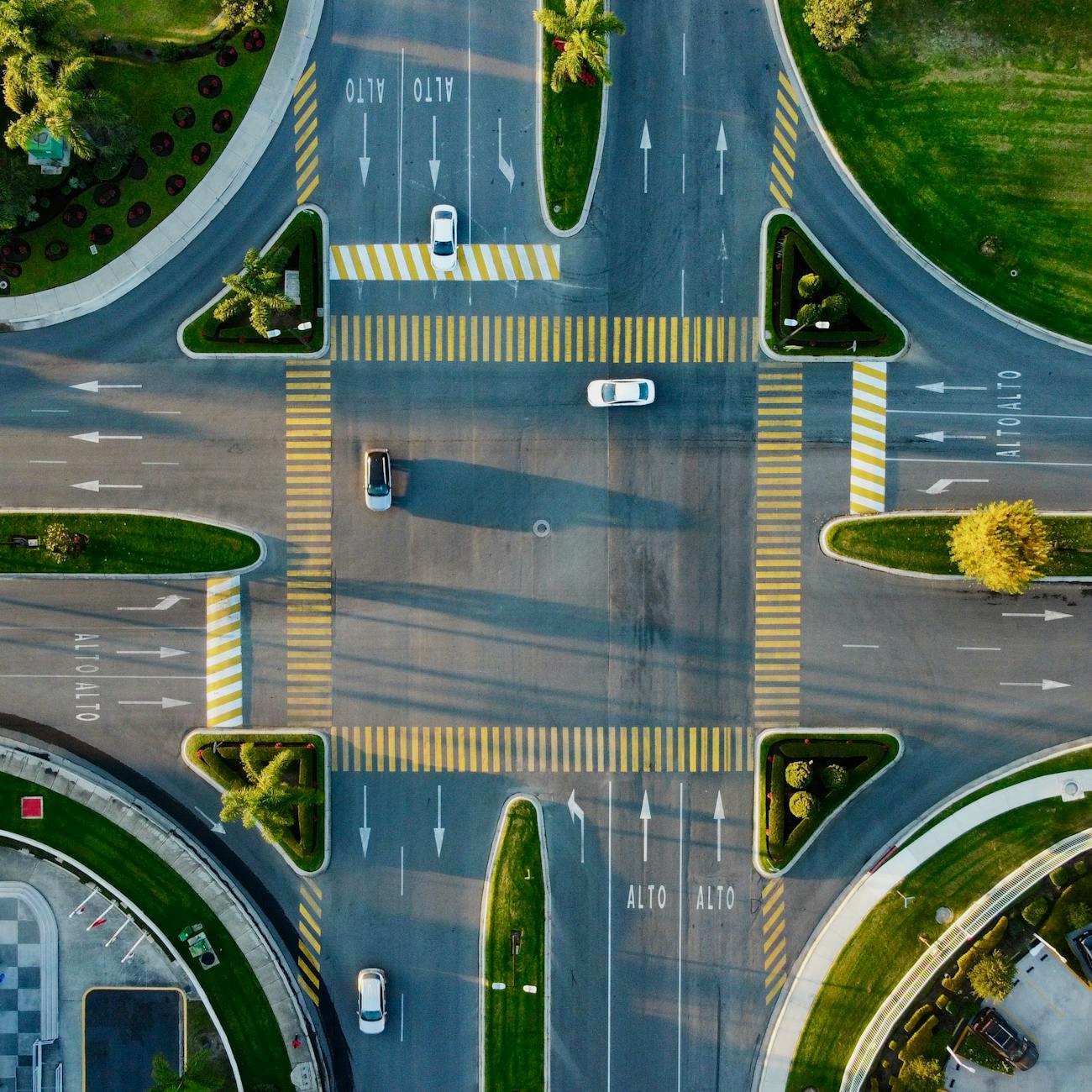
Computer Vision in Law Enforcement refers to the use of artificial intelligence (AI) and machine learning algorithms to analyze and interpret visual data from images or videos for law enforcement purposes. This technology allows law enforcement agencies to extract valuable information from visual content, such as identifying objects, people, activities, or patterns that can aid in investigations, surveillance, and crime prevention. Computer vision in law enforcement has become increasingly important in recent years due to the vast amount of visual data available and the need for efficient and accurate analysis to support law enforcement operations.
Key Terms and Vocabulary:
1. **Image Processing**: Image processing refers to the manipulation of visual data to enhance, analyze, or extract information. It involves techniques such as image filtering, segmentation, feature extraction, and object recognition. In law enforcement, image processing is used to enhance surveillance footage, extract relevant information from images, and identify suspects or objects of interest.
2. **Object Detection**: Object detection is the process of locating and classifying objects within an image or video. It involves identifying the presence of specific objects, such as weapons, vehicles, or individuals, in visual data. Object detection algorithms are used in law enforcement for identifying suspicious items or individuals in surveillance footage or crime scenes.
3. **Facial Recognition**: Facial recognition is a technology that analyzes facial features to identify or verify a person's identity. It is widely used in law enforcement for identifying suspects, missing persons, or persons of interest. Facial recognition systems compare facial features against a database of known faces to make matches.
4. **Surveillance**: Surveillance refers to the monitoring of activities, behavior, or locations for security or investigative purposes. In law enforcement, surveillance cameras are used to monitor public spaces, crime hotspots, or critical infrastructure to deter crime, gather evidence, or track suspects.
5. **Video Analytics**: Video analytics involves the automated analysis of video content to extract meaningful information. It includes tasks such as object tracking, activity recognition, and anomaly detection. Video analytics tools are used in law enforcement to process large volumes of video data efficiently and identify suspicious behavior or events.
6. **License Plate Recognition (LPR)**: License plate recognition is a technology that automatically reads and recognizes vehicle license plates from images or video. LPR systems are used in law enforcement for tracking stolen vehicles, monitoring traffic violations, or identifying vehicles involved in criminal activities.
7. **Biometric Identification**: Biometric identification uses unique physical or behavioral traits, such as fingerprints, iris patterns, or voiceprints, to verify a person's identity. Biometric systems are used in law enforcement for authenticating individuals, identifying suspects, or securing access to sensitive locations.
8. **Crime Mapping**: Crime mapping is the visual representation of crime data on maps to identify patterns, trends, or hotspots. It helps law enforcement agencies to allocate resources effectively, deploy officers strategically, and prevent crimes in specific areas. Crime mapping tools integrate geographic information systems (GIS) with crime data for analysis.
9. **Forensic Analysis**: Forensic analysis involves the scientific examination of evidence to support investigations and court proceedings. In law enforcement, forensic analysts use computer vision technologies to analyze digital images, videos, or photographs for identifying suspects, reconstructing crime scenes, or enhancing evidence.
10. **Predictive Policing**: Predictive policing uses data analysis and machine learning algorithms to forecast where and when crimes are likely to occur. It helps law enforcement agencies to anticipate criminal activities, allocate resources proactively, and prevent crimes before they happen. Predictive policing models rely on historical crime data, environmental factors, and social trends to make predictions.
Challenges and Applications:
1. **Privacy Concerns**: The use of computer vision in law enforcement raises privacy concerns related to the collection, storage, and analysis of visual data. It is essential to establish clear guidelines and regulations to ensure data protection, transparency, and accountability in the use of surveillance technologies.
2. **Bias and Discrimination**: Computer vision algorithms may exhibit bias or discrimination based on race, gender, or other factors in identifying individuals or objects. Law enforcement agencies must address bias in data collection, algorithm design, and decision-making to ensure fair and unbiased outcomes.
3. **Data Quality and Accuracy**: The accuracy of computer vision systems in law enforcement depends on the quality of training data, algorithm performance, and environmental conditions. Ensuring data integrity, model training, and validation are essential to improve the accuracy and reliability of computer vision applications.
4. **Real-Time Processing**: Law enforcement agencies require real-time processing of visual data for timely decision-making, response, or intervention. Developing efficient and scalable computer vision systems capable of processing large volumes of data in real-time is crucial for effective law enforcement operations.
5. **Integration with Existing Systems**: Integrating computer vision technologies with existing law enforcement systems, such as surveillance cameras, databases, or crime analysis tools, can be challenging. Seamless integration and interoperability are essential to leverage the full potential of computer vision in enhancing law enforcement capabilities.
6. **Ethical Considerations**: Ethical considerations, such as transparency, accountability, and public trust, are paramount in the deployment of computer vision technologies in law enforcement. It is crucial to address ethical issues related to data privacy, consent, bias, and fairness to ensure the responsible and ethical use of AI in law enforcement.
7. **Training and Education**: Law enforcement personnel require specialized training and education to use computer vision technologies effectively and ethically. Providing comprehensive training programs, resources, and support for officers to understand, operate, and interpret AI tools is essential for successful implementation in law enforcement.
In conclusion, computer vision technology offers significant opportunities for enhancing law enforcement capabilities, improving public safety, and combating crime effectively. By leveraging advanced AI algorithms, machine learning models, and visual analytics tools, law enforcement agencies can analyze visual data more efficiently, identify suspects or objects of interest accurately, and prevent crimes proactively. However, addressing challenges such as privacy concerns, bias, data quality, and ethical considerations is crucial to ensure the responsible and effective use of computer vision in law enforcement. By overcoming these challenges and embracing best practices, law enforcement agencies can harness the full potential of computer vision technology to create safer communities and protect the public.
Key takeaways
- Computer Vision in Law Enforcement refers to the use of artificial intelligence (AI) and machine learning algorithms to analyze and interpret visual data from images or videos for law enforcement purposes.
- In law enforcement, image processing is used to enhance surveillance footage, extract relevant information from images, and identify suspects or objects of interest.
- Object detection algorithms are used in law enforcement for identifying suspicious items or individuals in surveillance footage or crime scenes.
- **Facial Recognition**: Facial recognition is a technology that analyzes facial features to identify or verify a person's identity.
- In law enforcement, surveillance cameras are used to monitor public spaces, crime hotspots, or critical infrastructure to deter crime, gather evidence, or track suspects.
- Video analytics tools are used in law enforcement to process large volumes of video data efficiently and identify suspicious behavior or events.
- **License Plate Recognition (LPR)**: License plate recognition is a technology that automatically reads and recognizes vehicle license plates from images or video.