
Botanical Medicine
Botanical Medicine is a branch of medicine that involves the use of plants or plant extracts for therapeutic purposes. It has been used by different cultures for centuries and continues to be a popular form of alternative medicine around th…
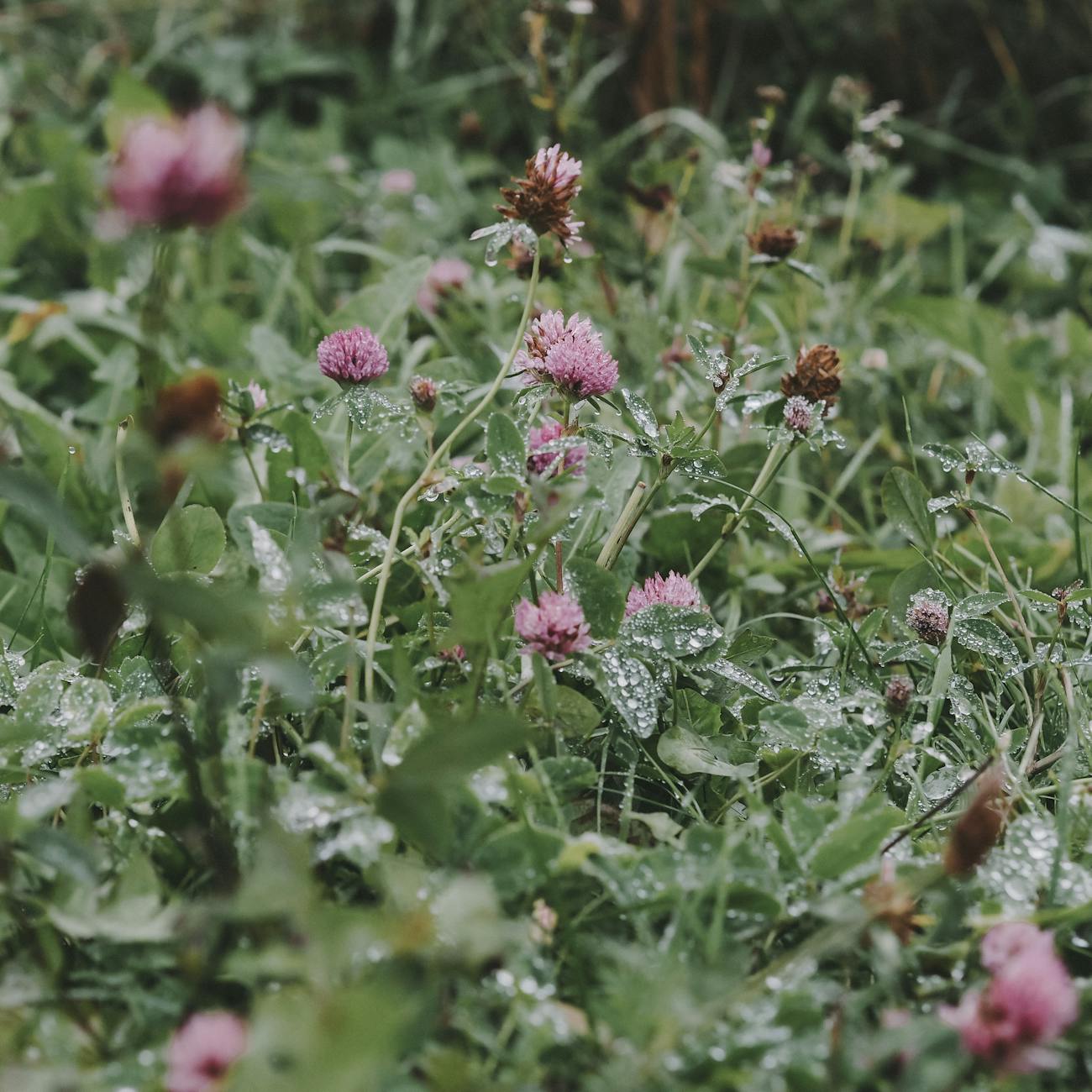
Botanical Medicine is a branch of medicine that involves the use of plants or plant extracts for therapeutic purposes. It has been used by different cultures for centuries and continues to be a popular form of alternative medicine around the world. Botanical medicine is also known as herbal medicine or phytotherapy.
Integrative Medicine is a holistic approach to healthcare that combines conventional medicine with complementary and alternative therapies, including botanical medicine. It focuses on treating the whole person, not just the symptoms of a disease, and emphasizes the importance of preventive medicine and lifestyle modifications.
Certificate in Integrative Medicine is a specialized educational program that provides healthcare professionals with the knowledge and skills to incorporate integrative therapies, including botanical medicine, into their practice. This certificate program covers a wide range of topics, including herbal remedies, nutritional supplements, mind-body therapies, and energy medicine.
Key Terms and Vocabulary
1. Phytochemicals: These are chemical compounds found in plants that have medicinal properties. Examples of phytochemicals include alkaloids, flavonoids, and terpenes.
2. Adaptogens: These are herbs that help the body adapt to stress and promote balance. Examples of adaptogenic herbs include ashwagandha, rhodiola, and ginseng.
3. Antioxidants: These are compounds that help protect the body from free radicals and oxidative damage. Examples of antioxidant-rich herbs include green tea, rosemary, and turmeric.
4. Alkaloids: These are naturally occurring compounds found in plants that have pharmacological effects on the body. Examples of alkaloids include caffeine, nicotine, and morphine.
5. Terpenes: These are a class of organic compounds found in plants that contribute to their aroma and flavor. Examples of terpenes include limonene, pinene, and linalool.
6. Flavonoids: These are a group of plant metabolites that have antioxidant and anti-inflammatory properties. Examples of flavonoids include quercetin, kaempferol, and catechin.
7. Herbal Remedies: These are medicinal preparations made from plants or plant extracts. Herbal remedies can be taken orally, applied topically, or inhaled. Examples of herbal remedies include chamomile tea, lavender essential oil, and echinacea tincture.
8. Tinctures: These are alcohol-based extracts of herbs that are used for their medicinal properties. Tinctures are typically more concentrated than teas and are often used for their therapeutic effects.
9. Decoctions: These are concentrated liquid extracts of herbs that are made by boiling the plant material in water. Decoctions are often used for herbal teas or as a base for other herbal preparations.
10. Infusions: These are liquid extracts of herbs that are made by steeping the plant material in hot water. Infusions are commonly used for medicinal teas and are a gentle way to extract the active compounds from the plants.
11. Complementary Medicine: This is a group of therapies and treatments that are used alongside conventional medicine to enhance health and well-being. Botanical medicine is often considered a form of complementary medicine.
12. Alternative Medicine: This is a group of therapies and treatments that are used in place of conventional medicine. Botanical medicine can be considered an alternative to pharmaceutical drugs for certain health conditions.
13. Herbal Preparations: These are formulations of herbal remedies that are designed for specific health conditions. Examples of herbal preparations include capsules, ointments, and salves.
14. Standardization: This is the process of ensuring that herbal products contain a consistent amount of active ingredients from batch to batch. Standardization helps to guarantee the efficacy and safety of herbal supplements.
15. Herb-Drug Interactions: These are interactions between herbal remedies and pharmaceutical drugs that can affect the efficacy or safety of either treatment. Healthcare providers should be aware of potential herb-drug interactions when recommending botanical medicine to patients.
16. Botanical Toxicity: This refers to the potential toxicity of certain herbs when used in high doses or for prolonged periods. Some herbs can have side effects or interact with medications, so it is important to use botanical medicine under the guidance of a qualified healthcare provider.
17. Herbal Monographs: These are detailed documents that provide information on the botanical name, common name, active ingredients, therapeutic uses, and dosage recommendations for specific herbs. Herbal monographs are a valuable resource for healthcare providers and consumers.
18. Herbal Pharmacology: This is the study of the pharmacological effects of herbal remedies on the body. Herbal pharmacology examines how active compounds in plants interact with biological systems to produce therapeutic effects.
19. Herbal Formulation: This is the process of combining multiple herbs or botanical extracts to create a synergistic blend with specific therapeutic benefits. Herbal formulations are often designed to target multiple health conditions or symptoms at once.
20. Botanical Identification: This is the process of accurately identifying plants based on their botanical characteristics, chemical composition, and medicinal properties. Proper botanical identification is essential to ensure the quality and efficacy of herbal products.
21. Botanical Extraction: This is the process of extracting active compounds from herbs using solvents or methods that preserve their medicinal properties. Different extraction methods, such as maceration, percolation, and supercritical CO2 extraction, can yield different concentrations of phytochemicals.
22. Herbal Dosage: This refers to the recommended amount of a herbal remedy that should be taken to achieve the desired therapeutic effect. Herbal dosages can vary depending on the formulation, strength, and patient's health condition.
23. Herbal Quality Control: This is the process of ensuring that herbal products meet quality standards for purity, potency, and safety. Quality control measures include testing for contaminants, standardization of active ingredients, and labeling accuracy.
24. Herbal Safety: This refers to the potential risks associated with the use of herbal remedies, including allergic reactions, side effects, and interactions with medications. It is important to use botanical medicine cautiously and under the guidance of a qualified healthcare provider.
25. Herbal Sustainability: This is the practice of harvesting and using herbs in a way that preserves ecological balance and ensures the long-term availability of medicinal plants. Sustainable herbal harvesting practices help protect plant species and biodiversity.
26. Herbal Cultivation: This is the process of growing medicinal plants in a controlled environment to ensure their quality and potency. Herbal cultivation practices may include organic farming, crop rotation, and biodynamic agriculture.
27. Herbal Research: This is the scientific study of herbal remedies to evaluate their efficacy, safety, and mechanisms of action. Herbal research helps to validate the traditional uses of medicinal plants and identify new therapeutic applications.
28. Herbal Pharmacognosy: This is the study of the botanical characteristics, chemical composition, and medicinal properties of plants used in herbal medicine. Herbal pharmacognosy helps to identify and classify medicinal plants based on their bioactive compounds.
29. Herbal Formulary: This is a collection of herbal recipes and formulations that are used in traditional medicine. Herbal formularies may include herbal teas, tonics, salves, and tinctures for various health conditions.
30. Herbal Education: This is the training and education of healthcare providers and herbalists in the safe and effective use of herbal medicine. Herbal education programs cover botanical identification, herbal pharmacology, and clinical applications of medicinal plants.
Practical Applications of Botanical Medicine
1. Herbal Teas: Herbal teas are a popular and easy way to enjoy the medicinal benefits of herbs. Different herbs can be combined to create blends that target specific health concerns, such as digestive issues, stress relief, or immune support.
2. Herbal Salves: Herbal salves are ointments made from herbs infused in oil and beeswax that can be applied topically to the skin. They are commonly used for skin conditions such as eczema, burns, or cuts and have anti-inflammatory and antimicrobial properties.
3. Herbal Tinctures: Herbal tinctures are alcohol-based extracts of herbs that are taken orally for their medicinal effects. They are concentrated and fast-acting, making them a popular choice for herbal remedies that require quick absorption.
4. Herbal Capsules: Herbal capsules are convenient and portable forms of herbal supplements that can be taken orally. They are standardized to contain a specific amount of active ingredients and are often used for chronic conditions or long-term support.
5. Herbal Poultices: Herbal poultices are herbal preparations that are applied externally to the skin to reduce inflammation, relieve pain, or promote healing. They are made by combining herbs with hot water or other carrier substances to create a paste.
6. Herbal Infusions: Herbal infusions are strong tea preparations made by steeping herbs in hot water for an extended period. They are often used for medicinal purposes and can be customized with different herbs and flavors to suit individual health needs.
7. Herbal Baths: Herbal baths are a relaxing and therapeutic way to enjoy the benefits of medicinal plants. Adding herbs such as lavender, chamomile, or rosemary to a hot bath can help relieve stress, soothe sore muscles, and promote relaxation.
8. Herbal Steams: Herbal steams involve inhaling the steam of herbs infused in hot water to open up the sinuses and lungs. This therapeutic practice can help relieve congestion, clear mucus, and support respiratory health.
9. Herbal Compresses: Herbal compresses are applications of hot or cold packs infused with herbal extracts that are applied to the skin to reduce inflammation, relieve pain, or promote healing. They are commonly used for muscle strains, bruises, or arthritis.
10. Herbal Inhalations: Herbal inhalations involve inhaling the aroma of medicinal herbs to stimulate the respiratory system and promote relaxation. This practice can help clear congestion, calm the mind, and support respiratory health.
Challenges in Botanical Medicine
1. Regulation
Key takeaways
- It has been used by different cultures for centuries and continues to be a popular form of alternative medicine around the world.
- Integrative Medicine is a holistic approach to healthcare that combines conventional medicine with complementary and alternative therapies, including botanical medicine.
- This certificate program covers a wide range of topics, including herbal remedies, nutritional supplements, mind-body therapies, and energy medicine.
- Phytochemicals: These are chemical compounds found in plants that have medicinal properties.
- Adaptogens: These are herbs that help the body adapt to stress and promote balance.
- Antioxidants: These are compounds that help protect the body from free radicals and oxidative damage.
- Alkaloids: These are naturally occurring compounds found in plants that have pharmacological effects on the body.