
Electric Aircraft Propulsion Systems
Electric Aircraft Propulsion Systems play a crucial role in the development of sustainable aviation. As the world moves towards cleaner and more efficient modes of transportation, electric aircraft are becoming increasingly popular due to t…
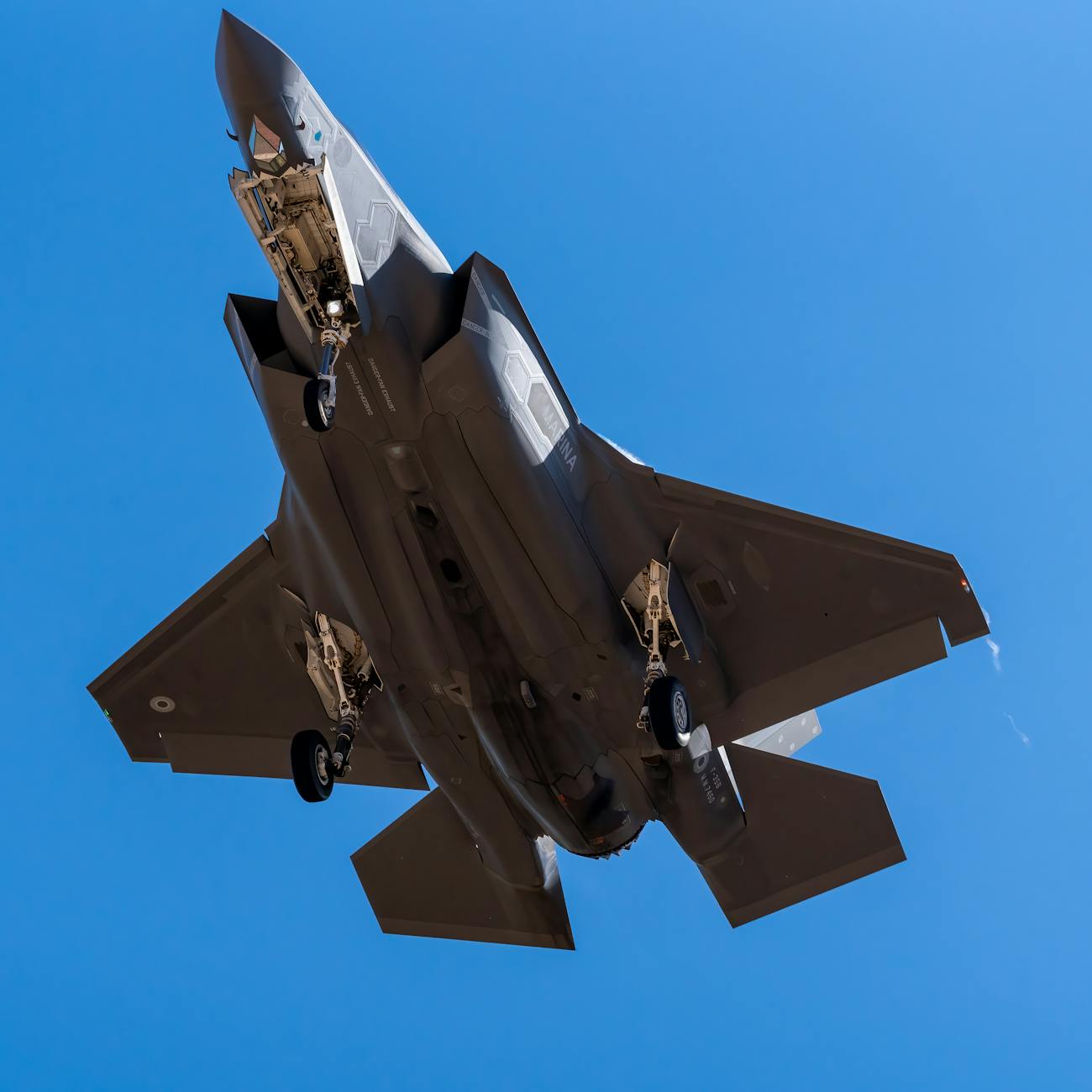
Electric Aircraft Propulsion Systems play a crucial role in the development of sustainable aviation. As the world moves towards cleaner and more efficient modes of transportation, electric aircraft are becoming increasingly popular due to their environmental benefits and potential cost savings. In this course, we will explore the key terms and vocabulary related to Electric Aircraft Propulsion Systems to provide a comprehensive understanding of this innovative technology.
Electric Aircraft: Electric aircraft are aircraft that are powered by electric motors rather than traditional internal combustion engines. These aircraft use batteries or fuel cells to generate electricity, which powers the electric motors to propel the aircraft.
Propulsion System: The propulsion system of an aircraft is responsible for generating the thrust needed to propel the aircraft forward. In electric aircraft, the propulsion system includes the electric motors, batteries, power electronics, and other components that work together to provide thrust.
Electric Motor: An electric motor is a device that converts electrical energy into mechanical energy. In electric aircraft, electric motors are used to drive the propellers or fans that generate thrust. There are various types of electric motors used in electric aircraft, including brushed DC motors, brushless DC motors, and synchronous motors.
Battery: Batteries are energy storage devices that store electrical energy in chemical form. In electric aircraft, batteries are used to store the energy needed to power the electric motors. Lithium-ion batteries are commonly used in electric aircraft due to their high energy density and lightweight properties.
Power Electronics: Power electronics are electronic devices that control and convert electrical power. In electric aircraft, power electronics are used to manage the flow of electricity between the batteries, electric motors, and other components of the propulsion system. Power electronics play a crucial role in optimizing the efficiency and performance of the propulsion system.
Thrust: Thrust is the force that propels an aircraft forward. In electric aircraft, thrust is generated by the electric motors driving the propellers or fans. The amount of thrust produced by the propulsion system determines the speed and performance of the aircraft.
Efficiency: Efficiency is a measure of how well a system converts input energy into useful output energy. In electric aircraft propulsion systems, efficiency is crucial for maximizing the range and endurance of the aircraft. Higher efficiency means that more of the electrical energy stored in the batteries is converted into thrust, resulting in longer flight times.
Range: Range is the maximum distance that an aircraft can fly on a single charge. In electric aircraft, range is determined by factors such as the energy storage capacity of the batteries, the efficiency of the propulsion system, and the aerodynamics of the aircraft. Increasing the range of electric aircraft is a key challenge for the industry.
Endurance: Endurance is the maximum amount of time that an aircraft can remain airborne on a single charge. In electric aircraft, endurance is closely related to range and is influenced by factors such as battery capacity, power consumption, and mission profile. Improving the endurance of electric aircraft is essential for expanding their capabilities and applications.
Regenerative Braking: Regenerative braking is a system that recovers energy during braking and stores it for later use. In electric aircraft, regenerative braking can help improve the efficiency of the propulsion system by capturing energy that would otherwise be wasted during deceleration. This technology can extend the range and endurance of electric aircraft.
Fly-by-Wire: Fly-by-wire is a flight control system that replaces traditional mechanical controls with electronic systems. In electric aircraft, fly-by-wire technology is used to control the electric motors, propellers, and other components of the propulsion system. Fly-by-wire systems offer greater flexibility and precision in aircraft control.
Hybrid Electric Aircraft: Hybrid electric aircraft are aircraft that use a combination of electric and traditional propulsion systems. These aircraft typically have both electric motors and internal combustion engines, allowing them to take advantage of the benefits of electric propulsion while maintaining the range and flexibility of traditional aircraft. Hybrid electric aircraft are seen as a transitional technology towards fully electric aircraft.
Challenges: Electric Aircraft Propulsion Systems face several challenges that must be addressed to enable their widespread adoption. These challenges include limited battery energy density, long charging times, high costs of electric components, and regulatory hurdles. Overcoming these challenges is essential for the successful integration of electric aircraft into the aviation industry.
Innovation: Innovation is key to advancing Electric Aircraft Propulsion Systems and overcoming the challenges facing the industry. Researchers and engineers are constantly developing new technologies and solutions to improve the efficiency, performance, and reliability of electric propulsion systems. Innovation in areas such as battery technology, power electronics, and aerodynamics will drive the future of electric aviation.
Safety: Safety is a top priority in Electric Aircraft Propulsion Systems to ensure the reliability and integrity of the aircraft. Electric propulsion systems must be designed and tested to meet rigorous safety standards and regulations. Proper maintenance, monitoring, and training are essential to ensure the safe operation of electric aircraft.
Electric Aircraft Manufacturing: Electric Aircraft Manufacturing involves the production of electric aircraft and their propulsion systems. This process includes designing, testing, and assembling the aircraft components, as well as integrating the propulsion system into the airframe. Electric aircraft manufacturers work closely with suppliers, regulators, and customers to deliver innovative and reliable aircraft solutions.
In conclusion, Electric Aircraft Propulsion Systems are at the forefront of the transformation of the aviation industry towards cleaner and more sustainable transportation. By understanding the key terms and vocabulary related to electric aircraft propulsion systems, students will gain a comprehensive knowledge of this exciting and rapidly evolving technology. As the demand for electric aircraft continues to grow, mastering these concepts will be essential for success in the field of electric aircraft manufacturing innovation.
Key takeaways
- As the world moves towards cleaner and more efficient modes of transportation, electric aircraft are becoming increasingly popular due to their environmental benefits and potential cost savings.
- Electric Aircraft: Electric aircraft are aircraft that are powered by electric motors rather than traditional internal combustion engines.
- In electric aircraft, the propulsion system includes the electric motors, batteries, power electronics, and other components that work together to provide thrust.
- There are various types of electric motors used in electric aircraft, including brushed DC motors, brushless DC motors, and synchronous motors.
- Lithium-ion batteries are commonly used in electric aircraft due to their high energy density and lightweight properties.
- In electric aircraft, power electronics are used to manage the flow of electricity between the batteries, electric motors, and other components of the propulsion system.
- The amount of thrust produced by the propulsion system determines the speed and performance of the aircraft.