
Intelligence Collection and Analysis
Intelligence Collection and Analysis is a critical component of military operations, providing essential information to support decision-making and enable successful mission execution. In this explanation, we will cover key terms and vocabu…
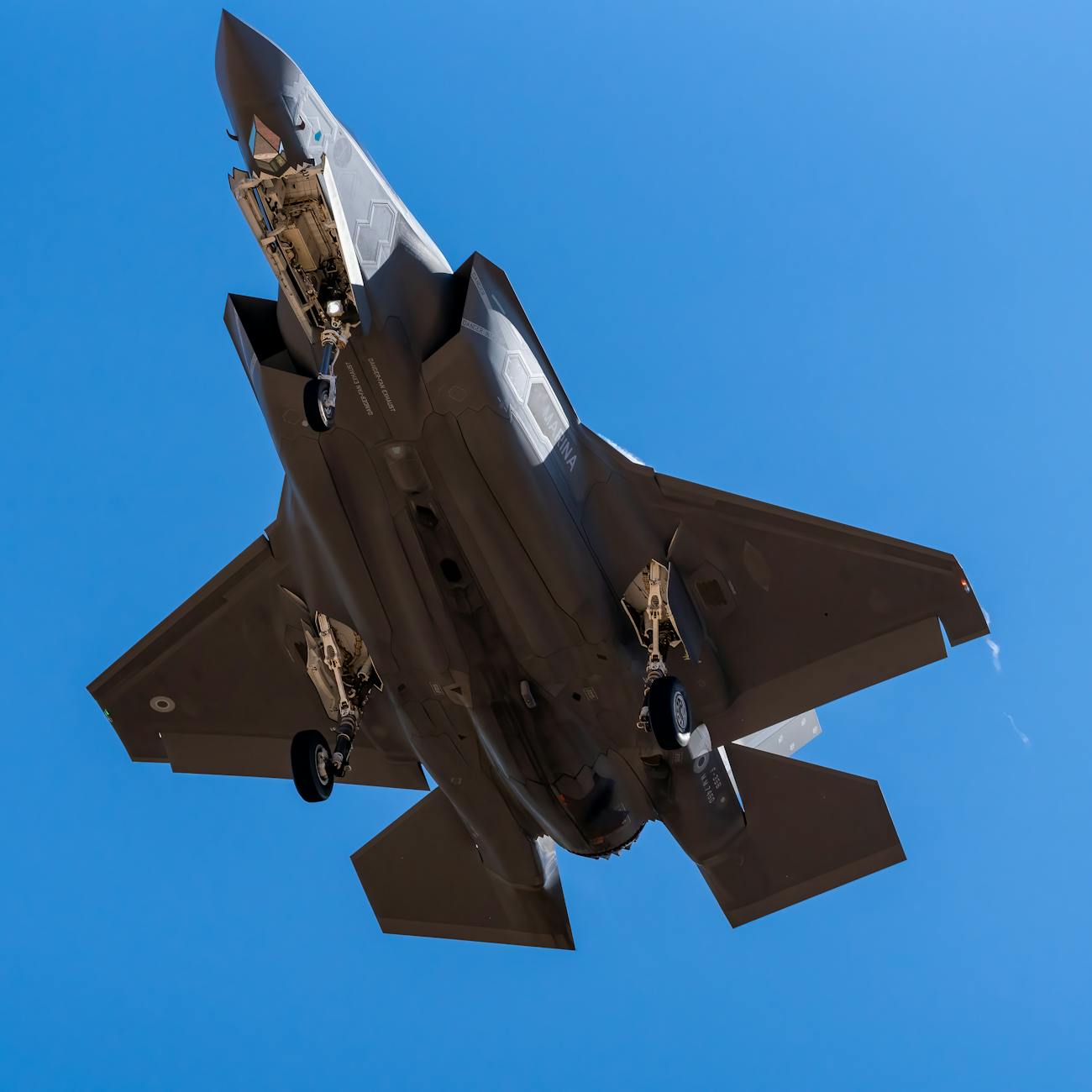
Intelligence Collection and Analysis is a critical component of military operations, providing essential information to support decision-making and enable successful mission execution. In this explanation, we will cover key terms and vocabulary related to intelligence collection and analysis in the context of the Undergraduate Certificate in Military Intelligence Operations.
1. Intelligence: Information that has been collected, analyzed, and interpreted to provide insights and support decision-making. Intelligence can be collected from various sources, including open-source information, human intelligence (HUMINT), signals intelligence (SIGINT), and imagery intelligence (IMINT). 2. Collection: The process of gathering information from various sources. Collection can be active or passive, and can involve various methods, such as surveillance, interrogation, or analysis of publicly available information. 3. Analysis: The process of examining and interpreting collected information to extract insights and meaning. Analysis can involve various techniques, such as statistical analysis, trend analysis, or geospatial analysis. 4. HUMINT: Human intelligence, which involves gathering information from human sources. This can include information obtained from interviews, interrogations, or observations of individuals. 5. SIGINT: Signals intelligence, which involves gathering information from electronic signals, such as communications or radar signals. SIGINT can be further divided into communications intelligence (COMINT) and electronic intelligence (ELINT). 6. IMINT: Imagery intelligence, which involves gathering information from visual images, such as satellite or aerial imagery. IMINT can be used to identify physical features, such as buildings or terrain, or to track the movement of personnel or equipment. 7. Open-source intelligence (OSINT): Intelligence derived from publicly available sources, such as news articles, social media, or government reports. OSINT can be a valuable source of information, as it is often readily available and can provide insights into the activities and intentions of individuals or organizations. 8. All-source intelligence: Intelligence that is derived from the integration and analysis of information from multiple sources. All-source intelligence provides a more comprehensive view of a situation and can help to identify patterns or trends that may not be apparent when considering individual sources of information. 9. Fusion: The process of integrating and analyzing information from multiple sources to create a more complete and accurate picture of a situation. Fusion can involve various techniques, such as data mining, machine learning, or artificial intelligence. 10. Indicators and warnings (I&W): Specific activities or patterns of behavior that may indicate a potential threat or opportunity. I&W can be used to alert decision-makers to emerging situations and enable them to take appropriate action. 11. Finishing: The process of refining and packaging intelligence products to make them more useful and accessible to decision-makers. Finishing can involve various techniques, such as visualization, summarization, or analysis of alternatives. 12. Counterintelligence (CI): Activities designed to protect against the collection, analysis, or dissemination of intelligence by adversaries. CI can involve various methods, such as security measures, deception, or disinformation. 13. Intelligence cycle: The process by which intelligence is collected, analyzed, and disseminated. The intelligence cycle typically involves the following stages: direction, collection, processing, analysis, dissemination, and feedback. 14. Direction: The process of defining intelligence requirements and determining the resources and methods needed to collect and analyze the required information. 15. Collection management: The process of managing the collection of intelligence from various sources to ensure that requirements are met and resources are used efficiently. 16. Processing: The process of converting raw intelligence data into a usable format, such as translating foreign languages or transcribing audio recordings. 17. Analysis: The process of examining and interpreting collected information to extract insights and meaning. 18. Dissemination: The process of sharing intelligence products with decision-makers and other stakeholders. 19. Feedback: The process of receiving and incorporating feedback from decision-makers and other stakeholders to improve the quality and relevance of intelligence products.
Challenges in Intelligence Collection and Analysis
Intelligence collection and analysis can be a complex and challenging process, and there are several factors that can impact its effectiveness. These include:
* Lack of reliable sources: In some cases, there may be a lack of reliable sources of information, making it difficult to collect accurate and timely intelligence. * Time constraints: Intelligence collection and analysis often needs to be done quickly to support decision-making, which can put pressure on analysts and lead to errors or oversights. * Language barriers: In many cases, intelligence may be collected in a foreign language, which can pose challenges for analysts who may not be fluent in that language. * Technical limitations: There may be technical limitations that impact the ability to collect or analyze intelligence, such as limitations in imaging technology or signal processing capabilities. * Cultural differences: Cultural differences can impact the interpretation of intelligence, as cultural norms and values can influence the way information is presented and understood. * Bias and assumptions: Analysts may bring their own biases and assumptions to the analysis process, which can impact the accuracy and objectivity of the intelligence products.
Examples and Practical Applications
Intelligence collection and analysis is used in a wide range of military and civilian contexts, including:
* Military operations: Intelligence is critical to the success of military operations, providing commanders with the information they need to make informed decisions about the deployment of forces and the conduct of operations. * Counterterrorism: Intelligence is used to identify and track the activities of terrorist organizations, enabling law enforcement and military forces to disrupt their operations and prevent attacks. * Crisis management: Intelligence can be used to support crisis management efforts, providing decision-makers with the information they need to respond effectively to emergencies or disasters. * Competitive intelligence: Businesses and organizations use intelligence to gain a competitive advantage, tracking the activities and strategies of their competitors and identifying opportunities for growth or improvement. * Cybersecurity: Intelligence is used to protect against cyber threats, identifying and tracking the activities of cyber criminals and nation-state actors and providing insights into potential vulnerabilities or attacks.
Conclusion
Intelligence collection and analysis is a critical component of military operations, providing essential information to support decision-making and enable successful mission execution. Understanding key terms and vocabulary related to intelligence collection and analysis is essential for those seeking to pursue a career in military intelligence or related fields. By mastering these concepts and applying them in practical contexts, students can develop the skills and knowledge needed to make informed decisions and support the success of military operations.
Key takeaways
- In this explanation, we will cover key terms and vocabulary related to intelligence collection and analysis in the context of the Undergraduate Certificate in Military Intelligence Operations.
- All-source intelligence provides a more comprehensive view of a situation and can help to identify patterns or trends that may not be apparent when considering individual sources of information.
- Intelligence collection and analysis can be a complex and challenging process, and there are several factors that can impact its effectiveness.
- * Technical limitations: There may be technical limitations that impact the ability to collect or analyze intelligence, such as limitations in imaging technology or signal processing capabilities.
- * Military operations: Intelligence is critical to the success of military operations, providing commanders with the information they need to make informed decisions about the deployment of forces and the conduct of operations.
- By mastering these concepts and applying them in practical contexts, students can develop the skills and knowledge needed to make informed decisions and support the success of military operations.