
Marine Sustainability Practices
Marine Sustainability Practices
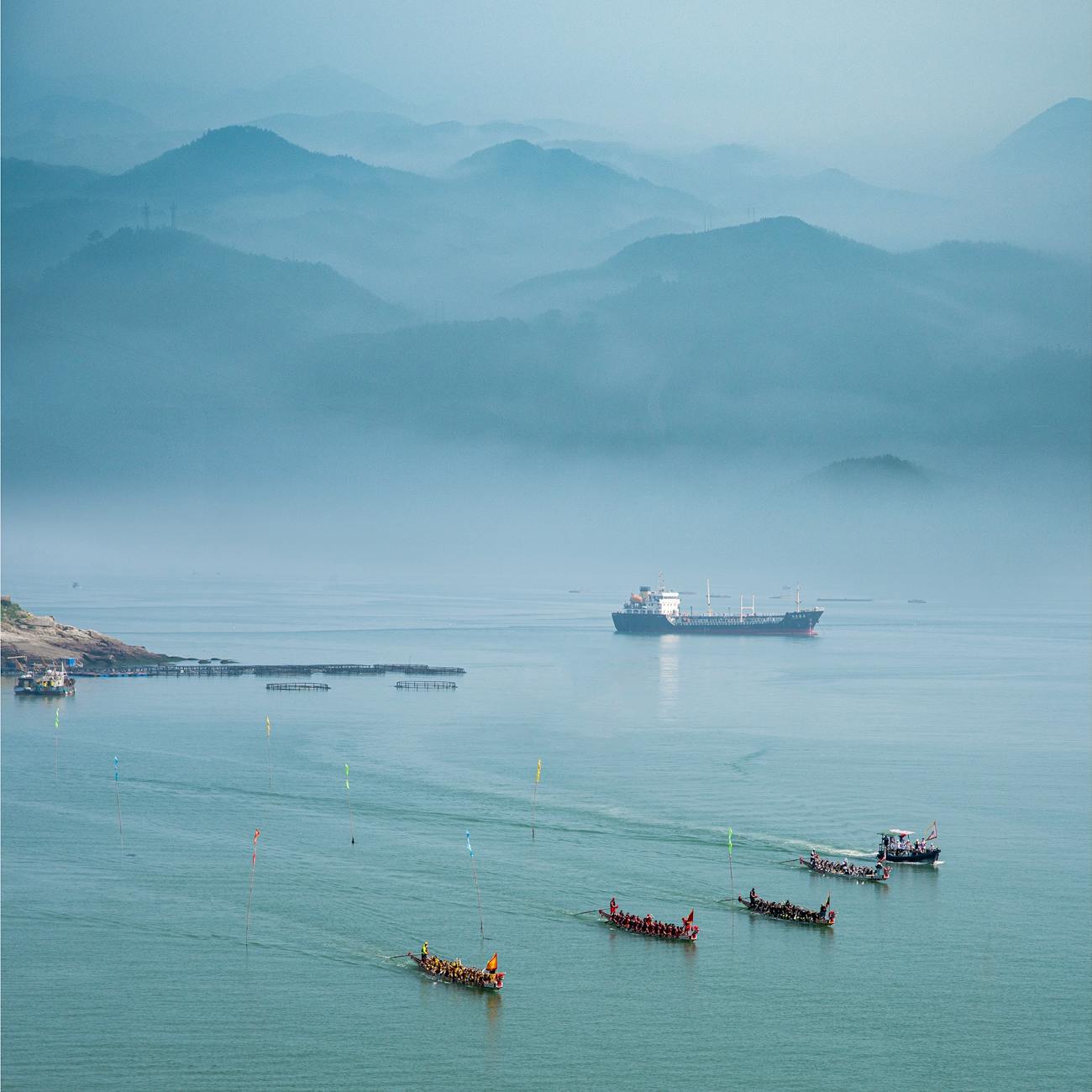
Marine Sustainability Practices
Marine sustainability practices refer to strategies and actions aimed at ensuring the long-term health and resilience of marine ecosystems while meeting the needs of current and future generations. These practices involve the responsible use of marine resources, conservation efforts, and the promotion of sustainable marine industries.
Marine Procurement Management
Marine procurement management involves the planning, sourcing, purchasing, and monitoring of goods and services related to marine operations. This includes procuring vessels, equipment, supplies, and services required for marine activities while considering cost-effectiveness, quality, and sustainability.
Sustainability
Sustainability is the ability to meet the needs of the present without compromising the ability of future generations to meet their own needs. In the context of marine sustainability practices, this involves ensuring the health and productivity of marine ecosystems, as well as the economic and social well-being of coastal communities.
Marine Ecosystem
A marine ecosystem refers to a community of organisms and their physical environment within a marine environment. This includes interactions between marine species, habitats, and abiotic factors such as temperature, salinity, and nutrient availability.
Conservation
Conservation involves the sustainable use and management of natural resources to protect biodiversity and ecosystem integrity. In the context of marine sustainability practices, conservation efforts aim to preserve marine species, habitats, and ecosystems for future generations.
Sustainable Fisheries
Sustainable fisheries refer to fishing practices that maintain or increase fish populations while minimizing environmental impacts. This involves implementing regulations, quotas, and monitoring programs to prevent overfishing and protect marine biodiversity.
Marine Pollution
Marine pollution refers to the introduction of harmful substances into the marine environment, such as plastics, oil, chemicals, and sewage. Pollution can have detrimental effects on marine ecosystems, including habitat destruction, species mortality, and ecosystem imbalances.
Plastic Pollution
Plastic pollution is a major environmental issue in marine ecosystems, with millions of tons of plastic waste entering the oceans each year. This pollution poses a threat to marine life, as animals can ingest or become entangled in plastic debris, leading to injuries or death.
Marine Debris
Marine debris refers to any solid material that enters the marine environment, including plastics, metals, glass, and rubber. This debris can harm marine life through ingestion, entanglement, or habitat destruction, impacting ecosystem health and biodiversity.
Microplastics
Microplastics are small plastic particles less than 5 millimeters in size that are found in marine environments. These particles can be ingested by marine organisms, leading to health issues and bioaccumulation in the food chain, posing risks to human health as well.
Overfishing
Overfishing occurs when fish stocks are harvested at a rate that exceeds their natural reproduction, leading to population decline and ecosystem imbalances. Overfishing can result in the collapse of fisheries, loss of biodiversity, and negative impacts on coastal communities.
Illegal, Unreported, and Unregulated (IUU) Fishing
Illegal, unreported, and unregulated (IUU) fishing refers to fishing practices that violate laws, regulations, or international agreements. IUU fishing threatens marine biodiversity, undermines sustainable fisheries management, and poses challenges for marine conservation efforts.
Marine Protected Areas (MPAs)
Marine protected areas (MPAs) are designated areas of the ocean where human activities are regulated to conserve marine biodiversity and ecosystem health. MPAs play a crucial role in protecting vulnerable marine species, habitats, and ecosystems from exploitation and degradation.
Integrated Coastal Zone Management (ICZM)
Integrated coastal zone management (ICZM) is a comprehensive approach to managing coastal areas that considers ecological, social, and economic factors. ICZM aims to balance development activities with conservation efforts to promote sustainable coastal communities and ecosystems.
Marine Spatial Planning (MSP)
Marine spatial planning (MSP) is a process that organizes and regulates human activities in the marine environment to achieve ecological, social, and economic objectives. MSP aims to promote sustainable use of marine resources, minimize conflicts, and enhance marine ecosystem health.
Marine Renewable Energy
Marine renewable energy refers to energy derived from sources in the marine environment, such as waves, tides, currents, and offshore wind. This form of energy has the potential to reduce greenhouse gas emissions, promote energy security, and support sustainable development.
Blue Economy
The blue economy refers to sustainable economic activities that harness the potential of marine resources while preserving marine ecosystems. This includes sectors such as fisheries, aquaculture, tourism, renewable energy, and biotechnology that contribute to economic growth and environmental conservation.
Corporate Social Responsibility (CSR)
Corporate social responsibility (CSR) is a business approach that integrates social and environmental concerns into company operations and interactions with stakeholders. In the context of marine sustainability practices, CSR initiatives aim to promote responsible business practices and support marine conservation efforts.
Life Cycle Assessment (LCA)
Life cycle assessment (LCA) is a methodology for evaluating the environmental impacts of products or services throughout their entire life cycle, from extraction of raw materials to disposal. LCA helps identify opportunities to reduce environmental footprints and improve sustainability performance.
Environmental Management System (EMS)
Environmental management system (EMS) is a framework for organizations to manage and improve their environmental performance. EMS involves setting environmental objectives, implementing processes to achieve them, and monitoring progress to ensure compliance with environmental regulations and standards.
Marine Stewardship Council (MSC)
The Marine Stewardship Council (MSC) is an international organization that sets standards for sustainable fishing practices and certifies fisheries that meet these standards. MSC certification helps consumers identify seafood products from well-managed, sustainable fisheries.
Seafood Watch Program
The Seafood Watch program is an initiative by the Monterey Bay Aquarium that provides recommendations on sustainable seafood choices based on the environmental impact of fisheries. Seafood Watch helps consumers make informed decisions to support sustainable fishing practices.
Green Procurement
Green procurement involves purchasing goods and services that have minimal environmental impacts throughout their life cycle. This includes considering factors such as resource efficiency, recyclability, and reduced emissions to promote sustainability in procurement decisions.
Environmental Impact Assessment (EIA)
Environmental impact assessment (EIA) is a process for evaluating the potential environmental effects of a proposed project or development. EIA helps identify and mitigate risks to the environment, including marine ecosystems, by assessing impacts and proposing measures to prevent or minimize harm.
Carbon Footprint
A carbon footprint is the total amount of greenhouse gases emitted directly or indirectly by an individual, organization, product, or activity. Measuring and reducing carbon footprints is essential for mitigating climate change and promoting sustainability in marine procurement management.
Renewable Energy Certificates (RECs)
Renewable energy certificates (RECs) are tradable certificates that represent the environmental benefits of generating electricity from renewable sources. RECs help support renewable energy production and enable organizations to offset their carbon emissions through investments in clean energy.
Supply Chain Management
Supply chain management involves the coordination of activities related to sourcing, production, and distribution of goods and services to meet customer demand. In the context of marine procurement management, effective supply chain management is essential for ensuring sustainability, efficiency, and cost-effectiveness.
Circular Economy
The circular economy is an economic model that aims to minimize waste and maximize resource efficiency by promoting the reuse, recycling, and repurposing of products and materials. Adopting circular economy principles in marine procurement management can reduce environmental impacts and support sustainable practices.
Coastal Resilience
Coastal resilience refers to the ability of coastal communities and ecosystems to withstand and recover from environmental stressors, such as sea level rise, storms, and erosion. Enhancing coastal resilience through sustainable practices is crucial for protecting marine habitats and coastal populations.
Greenwashing
Greenwashing is the practice of misleading consumers or stakeholders by promoting false or exaggerated claims of environmental responsibility. In the context of marine sustainability practices, greenwashing undermines trust and credibility, highlighting the importance of transparency and accountability.
Marine Spatial Data Infrastructure (MSDI)
Marine spatial data infrastructure (MSDI) is a framework that organizes, manages, and disseminates geospatial data related to marine environments. MSDI enables stakeholders to access and share spatial information for decision-making, planning, and monitoring marine activities.
Environmental Compliance
Environmental compliance involves adhering to environmental laws, regulations, and standards to prevent pollution and protect natural resources. Maintaining environmental compliance is essential for ensuring sustainability in marine procurement management and avoiding legal and reputational risks.
Sustainable Development Goals (SDGs)
The sustainable development goals (SDGs) are a set of global targets adopted by the United Nations to address social, economic, and environmental challenges. Achieving the SDGs requires collective action to promote sustainability, equity, and resilience in marine procurement management and beyond.
Marine Sustainability Practices
Marine sustainability practices refer to the strategies and actions taken to ensure the long-term health and productivity of marine ecosystems. These practices aim to balance human activities with the natural environment to prevent overexploitation and degradation of marine resources. By adopting sustainable practices, marine stakeholders can protect biodiversity, support local communities, and promote economic growth without compromising the health of the oceans.
Key Terms and Vocabulary
1. Marine Procurement Management: Marine procurement management involves the acquisition of goods and services necessary for marine operations. This includes sourcing equipment, supplies, and services in a cost-effective and sustainable manner.
2. Sustainability: Sustainability refers to the ability to meet the needs of the present without compromising the ability of future generations to meet their own needs. In the context of marine ecosystems, sustainability involves using resources in a way that does not deplete them or harm the environment.
3. Marine Ecosystem: A marine ecosystem is a community of organisms and their physical environment in a marine environment. This includes marine plants, animals, and microorganisms, as well as abiotic factors like water, sunlight, and nutrients.
4. Overexploitation: Overexploitation occurs when a resource is harvested at a rate that exceeds its natural ability to replenish. This can lead to the depletion of fish stocks, loss of biodiversity, and disruption of marine ecosystems.
5. Environmental Degradation: Environmental degradation refers to the deterioration of the environment due to human activities. In marine ecosystems, this can include pollution, habitat destruction, and climate change.
6. Biodiversity: Biodiversity refers to the variety of life forms in a particular ecosystem. Marine biodiversity includes the diversity of species, habitats, and genetic variation in the oceans.
7. Local Communities: Local communities are groups of people who live in close proximity to marine ecosystems and depend on them for their livelihoods. Sustainable marine practices should consider the social and economic well-being of these communities.
8. Economic Growth: Economic growth refers to an increase in the production and consumption of goods and services in an economy. Sustainable marine practices aim to promote economic growth while minimizing negative impacts on the environment.
9. Conservation: Conservation involves the protection and management of natural resources to ensure their sustainable use. In the context of marine sustainability, conservation efforts focus on preserving biodiversity and ecosystem health.
10. Stakeholders: Stakeholders are individuals or groups who have an interest in or are affected by marine sustainability practices. This can include government agencies, industry organizations, non-governmental organizations, and local communities.
11. Resource Management: Resource management involves the planning, monitoring, and allocation of resources to ensure their sustainable use. In marine sustainability, resource management aims to balance human needs with the capacity of marine ecosystems to support them.
12. Marine Pollution: Marine pollution refers to the introduction of harmful substances into the marine environment. This can include plastic waste, oil spills, chemical pollutants, and other contaminants that can harm marine life and ecosystems.
13. Climate Change: Climate change refers to long-term changes in the Earth's climate, including rising temperatures, sea level rise, and more frequent extreme weather events. Climate change is a significant threat to marine ecosystems and requires mitigation and adaptation strategies.
14. Marine Protected Areas: Marine protected areas are designated areas of the ocean where human activities are regulated to protect marine biodiversity and ecosystem health. These areas serve as refuges for marine species and habitats.
15. Illegal, Unreported, and Unregulated (IUU) Fishing: IUU fishing refers to fishing activities that are conducted in violation of national or international laws. This includes fishing without proper permits, exceeding catch limits, and using destructive fishing methods.
16. Sustainable Fisheries: Sustainable fisheries are fisheries that are managed in a way that ensures the long-term health of fish stocks and marine ecosystems. This includes setting catch limits, protecting critical habitats, and reducing bycatch.
17. Bycatch: Bycatch refers to the unintentional capture of non-target species in fishing operations. Bycatch can include endangered species, juvenile fish, and other marine organisms that are discarded or wasted.
18. Traceability: Traceability is the ability to track the origin and movement of products throughout the supply chain. In the context of marine sustainability, traceability helps ensure that seafood is harvested legally and sustainably.
19. Certification: Certification is a process by which products or practices are evaluated and verified to meet certain standards or criteria. In the seafood industry, certification programs like the Marine Stewardship Council (MSC) certify fisheries that meet sustainability requirements.
20. Corporate Social Responsibility (CSR): CSR refers to a company's commitment to operating in an ethical and sustainable manner. In the marine industry, CSR practices can include reducing environmental impacts, supporting local communities, and promoting transparency in supply chains.
21. Life Cycle Assessment (LCA): LCA is a methodology for evaluating the environmental impacts of a product or process throughout its entire life cycle. In marine sustainability, LCA can help identify opportunities to reduce resource use, emissions, and waste.
22. Green Procurement: Green procurement involves purchasing products and services that have minimal environmental impacts. In marine procurement management, green procurement practices can include sourcing sustainable seafood, reducing packaging waste, and selecting energy-efficient vessels.
23. Marine Spatial Planning: Marine spatial planning is a process for allocating marine resources and activities in a way that minimizes conflicts and maximizes sustainable use. This can involve zoning areas for fishing, shipping, conservation, and other marine activities.
24. Integrated Coastal Zone Management (ICZM): ICZM is a holistic approach to managing coastal areas that considers social, economic, and environmental factors. ICZM aims to balance the competing demands of coastal development, conservation, and ecosystem protection.
25. Blue Economy: The blue economy refers to sustainable economic activities that take place in or depend on the marine environment. This can include fisheries, aquaculture, tourism, renewable energy, and biotechnology.
26. Carbon Footprint: A carbon footprint is the total amount of greenhouse gas emissions produced directly or indirectly by an individual, organization, product, or activity. In the marine industry, reducing carbon footprints can help mitigate climate change impacts.
27. Ocean Acidification: Ocean acidification is the ongoing decrease in the pH of the Earth's oceans due to the absorption of carbon dioxide from the atmosphere. Ocean acidification can harm marine organisms like corals, shellfish, and plankton.
28. Marine Renewable Energy: Marine renewable energy refers to energy sources derived from the ocean, such as wave, tidal, and ocean thermal energy. These sources have the potential to provide clean and sustainable energy to reduce reliance on fossil fuels.
29. Plastic Pollution: Plastic pollution is the accumulation of plastic waste in the marine environment, causing harm to marine life and ecosystems. Addressing plastic pollution requires reducing plastic use, improving waste management, and promoting recycling.
30. Adaptation: Adaptation involves adjusting to the impacts of climate change to reduce vulnerability and increase resilience. In the marine sector, adaptation strategies can include protecting coastal infrastructure, restoring mangroves, and enhancing fisheries management.
31. Challenges and Opportunities
- Illegal Fishing: Illegal fishing poses a significant challenge to marine sustainability, as it undermines conservation efforts and threatens fish stocks. Addressing illegal fishing requires improved monitoring, enforcement, and international cooperation.
- Climate Change: Climate change is a major threat to marine ecosystems, leading to ocean warming, acidification, and sea level rise. Mitigating climate change impacts requires reducing greenhouse gas emissions and implementing adaptation strategies.
- Plastic Pollution: Plastic pollution is a pervasive problem in the marine environment, endangering marine life and ecosystems. To address plastic pollution, stakeholders must reduce plastic use, improve waste management, and promote circular economy solutions.
- Overfishing: Overfishing depletes fish stocks and disrupts marine ecosystems, leading to economic and ecological consequences. Sustainable fisheries management, including setting catch limits and reducing bycatch, is essential to address overfishing.
- Resource Management: Effective resource management is crucial for ensuring the sustainability of marine ecosystems. This includes implementing ecosystem-based management, protecting critical habitats, and promoting sustainable fishing practices.
- Community Engagement: Engaging local communities in marine sustainability practices is essential for achieving long-term conservation goals. This can involve providing training and capacity-building, supporting alternative livelihoods, and fostering collaboration between stakeholders.
- Technological Innovation: Technological innovation plays a key role in advancing marine sustainability practices, such as developing sustainable fishing gear, monitoring systems, and renewable energy solutions. Investing in research and technology can help address pressing marine sustainability challenges.
- Certification and Traceability: Certification programs and traceability systems play a crucial role in promoting sustainable seafood sourcing and consumer awareness. By certifying fisheries and products that meet sustainability standards, stakeholders can incentivize responsible fishing practices.
- Policy and Governance: Effective policy and governance frameworks are essential for supporting marine sustainability practices at local, national, and international levels. This includes implementing regulations, enforcing compliance, and promoting cross-sectoral cooperation.
- Educational Outreach: Educating stakeholders about the importance of marine sustainability and empowering them to take action is crucial for fostering a culture of conservation. Educational outreach programs can raise awareness, build capacity, and inspire positive change in behavior.
- Collaboration and Partnerships: Collaboration and partnerships between government, industry, academia, and civil society are essential for addressing complex marine sustainability challenges. By working together, stakeholders can leverage expertise, resources, and networks to achieve shared goals.
In conclusion, marine sustainability practices are critical for ensuring the health and resilience of marine ecosystems for future generations. By adopting sustainable practices, stakeholders can protect biodiversity, support local communities, and promote economic growth while minimizing negative impacts on the environment. Addressing key challenges like illegal fishing, climate change, plastic pollution, and overfishing requires collective action, innovative solutions, and strong governance. By embracing a holistic approach to marine sustainability, stakeholders can create a more resilient and thriving ocean environment for all.
Marine Sustainability Practices
Marine sustainability practices refer to the strategies, policies, and actions implemented to ensure the long-term health and viability of marine ecosystems. These practices aim to balance economic, social, and environmental considerations to promote the sustainable use of marine resources for current and future generations.
Key Terms and Vocabulary
1. Sustainability: Sustainability refers to the ability to maintain or endure over time. In the context of marine ecosystems, sustainability involves using resources in a way that does not deplete or harm them, ensuring they can continue to support life and provide benefits for the long term.
2. Marine Ecosystem: A marine ecosystem is a community of organisms and their physical environment in a marine environment. It includes living organisms such as fish, plants, and microorganisms, as well as non-living components like water, rocks, and sediments.
3. Procurement Management: Procurement management involves the process of acquiring goods and services from external sources. In the context of marine sustainability, procurement management plays a crucial role in ensuring that products and services are sourced in a sustainable manner to minimize negative impacts on marine ecosystems.
4. Environmental Impact: Environmental impact refers to the effect that human activities have on the environment. In the context of marine sustainability practices, it is important to assess and mitigate the environmental impacts of procurement activities to minimize harm to marine ecosystems.
5. Resource Management: Resource management involves the planning, coordination, and sustainable use of natural resources. Effective resource management is essential for maintaining the health and productivity of marine ecosystems while meeting the needs of society.
6. Marine Conservation: Marine conservation refers to the protection and preservation of marine ecosystems and species. Conservation efforts aim to prevent overexploitation, habitat destruction, and pollution to maintain biodiversity and ecosystem functions.
7. Compliance: Compliance refers to adhering to laws, regulations, and industry standards. In the context of marine sustainability practices, compliance with environmental regulations and best practices is essential to ensure responsible and sustainable procurement activities.
8. Stakeholder Engagement: Stakeholder engagement involves involving individuals, organizations, and communities that are affected by or have an interest in a particular issue. Engaging stakeholders in marine sustainability practices can help build support, gather input, and promote transparency and accountability.
9. Life Cycle Assessment: Life cycle assessment (LCA) is a method for evaluating the environmental impacts of a product or service throughout its entire life cycle, from raw material extraction to disposal. Conducting LCAs can help identify opportunities to reduce environmental impacts and improve sustainability.
10. Green Procurement: Green procurement involves sourcing products and services that have a reduced environmental impact compared to conventional alternatives. Green procurement practices can help organizations reduce their carbon footprint, conserve resources, and support sustainable practices.
11. Marine Stewardship Council: The Marine Stewardship Council (MSC) is an international non-profit organization that sets standards for sustainable fishing and seafood traceability. Products that bear the MSC ecolabel have been certified as coming from sustainable and well-managed fisheries.
12. Certification: Certification involves verifying that a product, service, or organization meets specific standards or criteria. In the context of marine sustainability practices, certification programs such as MSC certification can help consumers identify sustainably sourced seafood products.
13. Traceability: Traceability refers to the ability to track and trace the origins, production processes, and distribution of products. Traceability is important for ensuring the transparency and integrity of seafood supply chains and verifying claims of sustainability.
14. Illegal, Unreported, and Unregulated (IUU) Fishing: IUU fishing refers to fishing activities that violate laws, regulations, or international agreements. IUU fishing is a significant threat to marine sustainability, as it can lead to overfishing, ecosystem degradation, and economic losses.
15. Bycatch: Bycatch refers to the unintentional capture of non-target species in fishing operations. Bycatch can result in the waste of valuable marine resources, harm to endangered species, and disruption of marine ecosystems.
16. Marine Pollution: Marine pollution refers to the introduction of harmful substances or contaminants into the marine environment. Pollution from sources such as plastic waste, oil spills, and chemical runoff can have serious impacts on marine ecosystems and biodiversity.
17. Climate Change: Climate change refers to long-term changes in temperature, precipitation, and other weather patterns, primarily caused by human activities. Climate change poses a significant threat to marine ecosystems through factors such as ocean acidification, sea level rise, and coral bleaching.
18. Adaptation: Adaptation involves adjusting to changing environmental conditions to reduce vulnerability and improve resilience. In the context of marine sustainability practices, adaptation strategies can help marine ecosystems and communities cope with the impacts of climate change and other stressors.
19. Blue Economy: The blue economy refers to sustainable economic activities that harness the potential of marine resources while protecting and preserving marine ecosystems. The blue economy aims to promote economic growth, social development, and environmental sustainability in coastal and marine areas.
20. Integrated Coastal Zone Management: Integrated Coastal Zone Management (ICZM) is a planning and decision-making approach that considers the complex interactions between land, water, and marine resources in coastal areas. ICZM aims to balance economic development with environmental protection and social well-being.
21. Marine Spatial Planning: Marine spatial planning involves allocating and managing marine resources and activities in a spatially and temporally coordinated manner. Marine spatial planning can help reduce conflicts, protect sensitive habitats, and promote sustainable development in marine areas.
22. Capacity Building: Capacity building involves strengthening the knowledge, skills, and resources of individuals and organizations to address challenges and achieve sustainable development goals. Capacity building initiatives can enhance the capacity of stakeholders to implement marine sustainability practices effectively.
23. Public-Private Partnerships: Public-private partnerships (PPPs) involve collaboration between government entities and private sector organizations to achieve shared objectives. PPPs can facilitate the implementation of marine sustainability practices by leveraging the expertise, resources, and networks of both sectors.
24. Circular Economy: The circular economy is an economic model that aims to minimize waste and maximize the value of resources by keeping products, materials, and resources in circulation for as long as possible. Embracing a circular economy approach can help reduce environmental impacts and promote sustainability in marine procurement management.
25. Collaboration: Collaboration involves working together with other individuals, organizations, or stakeholders to achieve common goals. Collaboration is essential for addressing complex challenges and promoting sustainable practices in marine procurement management through shared knowledge, resources, and expertise.
26. Resilience: Resilience refers to the ability of ecosystems, communities, or organizations to withstand and recover from disturbances or shocks. Building resilience in marine ecosystems and supply chains can help mitigate the impacts of environmental changes, disasters, and other risks.
27. Best Practices: Best practices refer to methods, techniques, or strategies that have been proven to be effective and efficient in achieving desired outcomes. Adopting best practices in marine procurement management can help organizations improve sustainability, compliance, and performance.
28. Monitoring and Evaluation: Monitoring and evaluation involve tracking and assessing the progress, performance, and outcomes of initiatives, projects, or programs. Monitoring and evaluation are essential for measuring the effectiveness of marine sustainability practices and identifying areas for improvement.
29. Greenwashing: Greenwashing refers to the practice of misleading consumers or stakeholders by making false or exaggerated claims about the environmental benefits of products, services, or practices. Greenwashing can undermine trust, credibility, and transparency in sustainability efforts.
30. Corporate Social Responsibility: Corporate social responsibility (CSR) refers to a company's commitment to operating ethically, responsibly, and sustainably while considering the social, environmental, and economic impacts of its actions. Integrating CSR principles into marine procurement management can help organizations demonstrate their commitment to sustainability.
Practical Applications
1. Implementing sustainable sourcing practices to procure seafood products certified by organizations such as the Marine Stewardship Council. 2. Engaging with suppliers and vendors to promote sustainable fishing practices and reduce the environmental impact of procurement activities. 3. Conducting life cycle assessments to evaluate the environmental footprint of products and identify opportunities for improvement. 4. Establishing traceability systems to track the origins and sustainability of seafood products throughout the supply chain. 5. Collaborating with stakeholders, including government agencies, NGOs, and local communities, to develop and implement marine sustainability initiatives. 6. Investing in capacity building programs to enhance the skills and knowledge of procurement professionals in sustainable practices. 7. Monitoring and evaluating the performance of sustainability initiatives to measure progress, identify challenges, and inform decision-making. 8. Engaging in public-private partnerships to leverage resources and expertise for implementing sustainable procurement practices. 9. Incorporating circular economy principles into procurement strategies to minimize waste and promote resource efficiency. 10. Promoting corporate social responsibility initiatives to support environmental conservation, community engagement, and ethical business practices.
Challenges
1. Balancing economic considerations with environmental and social objectives in procurement decision-making. 2. Addressing the complexity and interconnectedness of marine ecosystems and supply chains in sustainable procurement practices. 3. Ensuring compliance with regulations, standards, and certifications while navigating the evolving landscape of sustainability requirements. 4. Overcoming resistance to change and promoting a culture of sustainability within organizations and supply chains. 5. Managing risks associated with environmental threats, climate change impacts, and other external factors affecting marine sustainability. 6. Building trust and credibility with stakeholders through transparent and accountable procurement practices. 7. Securing resources, funding, and support for sustainability initiatives in a competitive and cost-conscious business environment. 8. Addressing the lack of data, information, and awareness about sustainable procurement practices in the marine sector. 9. Promoting innovation and technology adoption to improve efficiency, reduce environmental impacts, and enhance sustainability in marine procurement management. 10. Encouraging collaboration, knowledge sharing, and partnerships to scale up sustainability efforts and address shared challenges in marine procurement.
Conclusion
In conclusion, marine sustainability practices play a vital role in ensuring the health, resilience, and productivity of marine ecosystems for future generations. By adopting sustainable procurement management strategies, organizations can mitigate environmental impacts, promote responsible sourcing, and contribute to the conservation and sustainable use of marine resources. Embracing collaboration, innovation, and best practices can help address challenges, drive positive change, and create a more sustainable future for the marine environment.
Marine Sustainability Practices:
Marine sustainability practices are essential for the long-term health and viability of our oceans and marine ecosystems. They involve a set of strategies, policies, and actions aimed at preserving marine resources, reducing environmental impact, and promoting responsible and ethical practices within the marine industry. Sustainability practices in the marine sector are crucial to ensure the continued availability of marine resources for future generations and to protect the delicate balance of marine ecosystems.
Key Terms and Vocabulary:
1. Marine Sustainability: Marine sustainability refers to the ability of marine ecosystems to endure over time, maintaining their ecological balance and productivity while meeting the needs of present and future generations.
2. Marine Procurement Management: Marine procurement management involves the sourcing, purchasing, and management of goods and services related to marine operations, with a focus on efficiency, cost-effectiveness, and sustainability.
3. Environmental Impact Assessment (EIA): Environmental impact assessment is a process used to evaluate the potential environmental effects of a proposed project or development before it is carried out. EIAs help identify potential risks and impacts on the environment, including marine ecosystems.
4. Marine Pollution: Marine pollution refers to the introduction of harmful or toxic substances into the marine environment, leading to degradation of water quality, harm to marine life, and disruption of marine ecosystems.
5. Marine Conservation: Marine conservation involves the protection and preservation of marine ecosystems, species, and habitats through the implementation of strategies such as marine protected areas, sustainable fishing practices, and pollution control measures.
6. Sustainable Fisheries: Sustainable fisheries refer to practices that ensure the long-term viability of fish populations and marine ecosystems by balancing harvesting with natural replenishment, minimizing bycatch, and avoiding overfishing.
7. Marine Protected Areas (MPAs): Marine protected areas are designated zones within the ocean where human activities are regulated to protect marine biodiversity, habitats, and ecosystems. MPAs contribute to conservation efforts and support sustainable fisheries.
8. Marine Spatial Planning: Marine spatial planning is a process that organizes and allocates marine resources and activities in a sustainable manner, taking into account ecological, economic, and social factors to promote integrated management of marine areas.
9. Blue Economy: The blue economy refers to sustainable economic activities that harness the potential of oceans and coastal resources while preserving marine ecosystems, promoting innovation, and supporting livelihoods and economic development.
10. Marine Stewardship Council (MSC): The Marine Stewardship Council is an international organization that sets standards for sustainable fishing and seafood traceability, certifying fisheries and seafood products that meet their criteria for sustainability.
11. Corporate Social Responsibility (CSR): Corporate social responsibility is the ethical framework that guides businesses to operate in a socially responsible manner, taking into account environmental, social, and economic impacts of their activities, including those related to marine sustainability.
12. Life Cycle Assessment (LCA): Life cycle assessment is a method used to evaluate the environmental impacts of a product or service throughout its entire life cycle, from resource extraction to disposal, helping identify opportunities for improvement and sustainability.
13. Carbon Footprint: The carbon footprint is the total amount of greenhouse gases emitted directly or indirectly by an individual, organization, product, or service, measured in equivalent tons of carbon dioxide (CO2). Managing carbon footprints is essential for reducing climate change impacts on marine ecosystems.
14. Green Procurement: Green procurement involves sourcing and purchasing goods and services that have minimal environmental impact, promote sustainability, and adhere to eco-friendly practices, contributing to overall marine sustainability efforts.
15. Circular Economy: The circular economy is an economic model that aims to minimize waste, maximize resource efficiency, and promote the reuse, recycling, and repurposing of materials and products, reducing environmental impact and supporting marine sustainability.
16. Illegal, Unreported, and Unregulated (IUU) Fishing: IUU fishing refers to fishing activities that operate outside of legal and regulatory frameworks, leading to overexploitation of fish stocks, depletion of marine resources, and negative impacts on marine ecosystems.
17. Ocean Acidification: Ocean acidification is the ongoing decrease in pH levels of seawater due to increased absorption of carbon dioxide from the atmosphere, leading to detrimental effects on marine organisms, coral reefs, and marine biodiversity.
18. Plastic Pollution: Plastic pollution is the accumulation of plastic debris in the marine environment, posing risks to marine life, ecosystems, and human health. Mitigating plastic pollution requires the adoption of sustainable waste management practices and reducing single-use plastics.
19. Marine Debris: Marine debris refers to any solid material, such as plastic, metal, or glass, that is improperly disposed of or abandoned in the marine environment, causing harm to marine organisms, habitats, and ecosystems.
20. Ocean Governance: Ocean governance involves the legal and institutional frameworks that regulate human activities in the marine environment, ensuring sustainable use of marine resources, conservation of biodiversity, and protection of marine ecosystems.
Practical Applications:
1. Implementing sustainable fishing practices, such as quotas, size limits, and gear restrictions, to ensure the long-term viability of fish stocks and marine ecosystems. 2. Establishing marine protected areas to conserve biodiversity, protect critical habitats, and promote sustainable tourism and recreation. 3. Adopting eco-friendly packaging and shipping practices to reduce plastic pollution and minimize the environmental impact of marine transportation. 4. Engaging in partnerships with marine conservation organizations and stakeholders to collaborate on marine sustainability initiatives and projects. 5. Investing in research and innovation to develop new technologies and solutions for addressing marine sustainability challenges, such as aquaculture, renewable energy, and waste management. 6. Educating and raising awareness among employees, suppliers, and customers about the importance of marine sustainability and promoting responsible consumption and production practices. 7. Monitoring and evaluating the environmental performance of marine procurement activities, identifying areas for improvement, and setting targets for reducing environmental impact and enhancing sustainability.
Challenges:
1. Balancing economic interests with environmental concerns in marine procurement management, as companies strive to maximize profits while minimizing negative impacts on marine ecosystems. 2. Addressing the complexities of global supply chains and ensuring that suppliers comply with environmental regulations and sustainability standards, especially in regions with weaker enforcement mechanisms. 3. Dealing with the uncertainties and risks associated with climate change, ocean acidification, and other environmental threats that could have profound impacts on marine sustainability practices. 4. Overcoming resistance to change and inertia in adopting sustainable practices within organizations, as well as overcoming budget constraints and resource limitations for implementing sustainability initiatives. 5. Managing stakeholder expectations and engaging with diverse interests in the marine sector, including government agencies, NGOs, fishing communities, and indigenous groups, to foster collaboration and support for marine sustainability efforts. 6. Adapting to evolving regulatory frameworks and international agreements related to marine conservation and sustainability, staying informed about emerging trends and best practices in the field. 7. Promoting transparency and accountability in marine procurement management, ensuring that decisions are based on reliable data, ethical considerations, and long-term sustainability goals.
In conclusion, marine sustainability practices play a crucial role in promoting the responsible management of marine resources, protecting marine ecosystems, and ensuring the health and well-being of our oceans for future generations. By incorporating key terms and concepts related to marine sustainability into marine procurement management, professionals can contribute to positive environmental outcomes, enhance corporate social responsibility, and drive sustainable innovation within the marine industry. Embracing the challenges and opportunities of marine sustainability practices can lead to positive impacts on marine ecosystems, communities, and economies, creating a more resilient and sustainable future for our oceans.
Marine Sustainability Practices
Marine sustainability practices are crucial for ensuring the long-term health and viability of our oceans and marine ecosystems. These practices involve a range of strategies and initiatives aimed at conserving marine resources, reducing pollution, and promoting responsible management of marine environments. In the context of marine procurement management, it is essential to understand and implement sustainable practices to minimize the environmental impact of procurement activities and ensure the continued availability of marine resources for future generations.
Key Terms and Vocabulary
1. Marine Sustainability: Marine sustainability refers to the ability of marine ecosystems to maintain their ecological balance over time, ensuring the continued health and productivity of marine resources. It involves sustainable fishing practices, marine conservation efforts, and the protection of marine biodiversity.
2. Procurement Management: Procurement management involves the process of acquiring goods and services for an organization in a cost-effective and efficient manner. In the context of marine procurement management, this includes sourcing marine products and services while considering environmental and social impacts.
3. Sustainable Procurement: Sustainable procurement focuses on integrating environmental, social, and economic considerations into the procurement process. It aims to minimize negative impacts on the environment and society while maximizing positive outcomes.
4. Marine Procurement: Marine procurement involves the sourcing of goods and services related to marine resources, such as seafood, marine equipment, and maritime services. It includes sourcing products from sustainable fisheries and suppliers.
5. Marine Resources: Marine resources refer to the living and non-living resources found in the ocean, including fish, minerals, energy, and biodiversity. Sustainable management of marine resources is essential for maintaining ecosystem health and productivity.
6. Environmental Impact: Environmental impact refers to the effects of human activities on the environment, including pollution, habitat destruction, and climate change. In the context of marine procurement management, it is important to minimize environmental impacts through sustainable practices.
7. Sustainable Fishing: Sustainable fishing practices aim to ensure the long-term viability of fish stocks and marine ecosystems. This includes practices such as catch limits, gear restrictions, and habitat protection to prevent overfishing and preserve marine biodiversity.
8. Marine Conservation: Marine conservation involves efforts to protect and preserve marine ecosystems and species. This includes the establishment of marine protected areas, habitat restoration, and the reduction of pollution and marine debris.
9. Marine Biodiversity: Marine biodiversity refers to the variety of life forms found in the ocean, including fish, corals, marine mammals, and seabirds. Preserving marine biodiversity is essential for ecosystem health and resilience.
10. Carbon Footprint: The carbon footprint is the total amount of greenhouse gases emitted by an individual, organization, or product. In the context of marine procurement management, it is important to reduce the carbon footprint of procurement activities through sustainable transportation and energy-efficient practices.
11. Life Cycle Assessment: Life cycle assessment (LCA) is a method for evaluating the environmental impacts of a product or service throughout its entire life cycle, from raw material extraction to disposal. LCA can help identify opportunities to reduce environmental impacts in procurement decisions.
12. Corporate Social Responsibility: Corporate social responsibility (CSR) refers to the ethical and sustainable practices adopted by organizations to contribute to social and environmental goals. In the context of marine procurement management, CSR involves considering the social and environmental impacts of procurement decisions.
13. Supply Chain Management: Supply chain management involves the coordination of activities related to sourcing, production, and distribution of goods and services. In the context of marine procurement management, sustainable supply chain management aims to minimize environmental and social impacts throughout the supply chain.
14. Marine Stewardship Council: The Marine Stewardship Council (MSC) is an international organization that sets standards for sustainable fishing and seafood traceability. MSC certification ensures that seafood products come from sustainable and well-managed fisheries.
15. Illegal, Unreported, and Unregulated Fishing: Illegal, unreported, and unregulated (IUU) fishing refers to fishing activities that are conducted in violation of laws or regulations, or without proper reporting or monitoring. IUU fishing contributes to overfishing and threatens marine ecosystems.
16. Marine Pollution: Marine pollution refers to the contamination of the ocean with harmful substances, such as plastics, chemicals, and oil. Marine pollution can have detrimental effects on marine ecosystems, wildlife, and human health.
17. Plastic Pollution: Plastic pollution is a major environmental issue that threatens marine ecosystems and wildlife. Single-use plastics, such as bags and bottles, can end up in the ocean and harm marine life through ingestion or entanglement.
18. Ocean Acidification: Ocean acidification is the ongoing decrease in the pH of the Earth's oceans, primarily caused by the absorption of carbon dioxide from the atmosphere. Ocean acidification can have negative effects on marine organisms, such as corals and shellfish.
19. Marine Debris: Marine debris refers to solid waste materials that enter the ocean, including plastics, metals, and glass. Marine debris can harm marine life, damage habitats, and contribute to pollution in the marine environment.
20. Ecolabeling: Ecolabeling involves the certification of products and services based on their environmental performance. Ecolabels, such as the MSC label for sustainable seafood, help consumers make informed choices and support sustainable practices.
Practical Applications
1. Implementing Sustainable Procurement Policies: Organizations can develop and implement sustainable procurement policies that prioritize environmentally friendly products and suppliers. This can include setting targets for sourcing sustainable seafood, reducing carbon emissions, and minimizing waste.
2. Partnering with Sustainable Suppliers: Organizations can work with suppliers that adhere to sustainable practices and certifications, such as the MSC or Fair Trade. By partnering with sustainable suppliers, organizations can ensure the ethical sourcing of marine products and services.
3. Conducting Life Cycle Assessments: Organizations can conduct life cycle assessments of products and services to evaluate their environmental impacts and identify opportunities for improvement. This can help organizations make informed procurement decisions that minimize environmental harm.
4. Reducing Plastic Waste: Organizations can reduce plastic waste in their procurement activities by using alternatives to single-use plastics, such as biodegradable packaging or reusable containers. By minimizing plastic waste, organizations can help reduce marine pollution and protect marine ecosystems.
5. Promoting Corporate Social Responsibility: Organizations can demonstrate corporate social responsibility by supporting marine conservation efforts, engaging in community outreach, and transparently reporting on their sustainability initiatives. By promoting CSR, organizations can build trust with stakeholders and contribute to environmental and social goals.
Challenges
1. Cost Considerations: Implementing sustainable procurement practices can sometimes involve higher costs compared to conventional procurement methods. Organizations may face challenges in balancing environmental goals with financial constraints.
2. Supply Chain Complexity: Marine procurement often involves complex global supply chains with multiple stakeholders and intermediaries. Ensuring sustainability throughout the supply chain can be challenging due to the lack of transparency and traceability.
3. Compliance and Regulation: Organizations operating in the marine sector must comply with a variety of regulations and standards related to environmental protection, labor rights, and product safety. Keeping up with changing regulations and ensuring compliance can be a challenge for procurement managers.
4. Consumer Awareness: Educating consumers about sustainable seafood choices and eco-friendly products can be a challenge, as many consumers may not be aware of the environmental impacts of their purchasing decisions. Increasing consumer awareness and demand for sustainable products is essential for driving change in the market.
5. Data Availability: Access to accurate and reliable data on the environmental and social impacts of products and services can be a challenge for procurement managers. Without sufficient data, it can be difficult to make informed decisions and track progress towards sustainability goals.
Conclusion
In conclusion, marine sustainability practices are essential for ensuring the long-term health and viability of our oceans and marine ecosystems. By incorporating sustainable practices into marine procurement management, organizations can minimize environmental impacts, promote responsible sourcing, and support the conservation of marine resources. Understanding key terms and vocabulary related to marine sustainability practices is crucial for procurement managers to make informed decisions and drive positive change in the marine sector. Through practical applications and addressing challenges, organizations can work towards a more sustainable and resilient marine ecosystem for future generations.
Marine Sustainability Practices in the context of Marine Procurement Management refer to the strategies and actions taken to ensure the long-term health and viability of marine ecosystems, resources, and industries. This involves implementing environmentally responsible practices that minimize negative impacts on the environment while maximizing the social and economic benefits derived from marine resources.
Key Terms and Vocabulary:
1. Sustainability: Sustainability refers to the ability to maintain or endure over time. In the context of marine procurement management, sustainability involves meeting the needs of the present without compromising the ability of future generations to meet their own needs.
2. Marine Ecosystem: A marine ecosystem is a community of organisms and their physical environment in a marine environment. It includes marine plants, animals, and microorganisms as well as the abiotic factors (such as temperature, salinity, and nutrients) that influence their interactions.
3. Marine Resources: Marine resources are the living and non-living components of the marine environment that are valuable to humans. This includes fish and other marine species, minerals, energy sources, and ecosystem services.
4. Environmental Impact: Environmental impact refers to the effect that human activities have on the natural environment. In the context of marine sustainability practices, it includes pollution, habitat destruction, overfishing, and climate change.
5. Ecological Footprint: An ecological footprint is a measure of human demand on the Earth's ecosystems. It calculates the amount of resources needed to support a particular lifestyle or activity and compares it to the Earth's capacity to regenerate those resources.
6. Marine Conservation: Marine conservation is the protection and preservation of marine ecosystems and species. It involves the management of marine resources to prevent overexploitation, habitat destruction, and pollution.
7. Marine Stewardship: Marine stewardship refers to the responsible management and use of marine resources. It involves making decisions that balance the needs of humans with the health of marine ecosystems.
8. Corporate Social Responsibility (CSR): Corporate social responsibility is the ethical framework that guides a company's actions towards social, environmental, and economic sustainability. In the context of marine procurement management, CSR involves considering the social and environmental impacts of procurement decisions.
9. Supply Chain Management: Supply chain management is the process of managing the flow of goods and services from the point of origin to the point of consumption. In the context of marine procurement management, it involves sourcing, purchasing, and distributing marine products in a sustainable and efficient manner.
10. Green Procurement: Green procurement is the practice of sourcing products and services that have a reduced impact on the environment. In the context of marine procurement management, green procurement involves selecting suppliers and products that support marine sustainability practices.
11. Life Cycle Assessment (LCA): Life cycle assessment is a method for evaluating the environmental impacts of a product or service throughout its entire life cycle, from raw material extraction to disposal. LCA helps identify opportunities to reduce environmental impacts and improve sustainability.
12. Marine Pollution: Marine pollution refers to the introduction of harmful substances or contaminants into the marine environment. This can include plastic waste, oil spills, chemical pollutants, and nutrient runoff from agriculture.
13. Overfishing: Overfishing occurs when fish stocks are depleted beyond their ability to recover, leading to a decline in fish populations and ecosystem health. Overfishing is a major threat to marine sustainability and biodiversity.
14. Illegal, Unreported, and Unregulated (IUU) Fishing: IUU fishing refers to fishing activities that are conducted in violation of national or international laws. IUU fishing contributes to overfishing, threatens marine ecosystems, and undermines sustainable fisheries management.
15. Marine Protected Areas (MPAs): Marine protected areas are designated areas of the ocean where human activities are restricted to protect marine biodiversity, habitats, and species. MPAs are important tools for marine conservation and sustainable fisheries management.
16. Certification Programs: Certification programs are initiatives that assess and verify the sustainability of fisheries, aquaculture operations, and seafood products. Certifications such as the Marine Stewardship Council (MSC) and Aquaculture Stewardship Council (ASC) help consumers make informed choices and support sustainable practices.
17. Traceability: Traceability is the ability to track the origins, production methods, and supply chain of a product. In the context of marine procurement management, traceability is important for ensuring the legality, sustainability, and quality of seafood products.
18. Maritime Transport: Maritime transport refers to the movement of goods and people by sea. It plays a critical role in global trade and commerce but also poses environmental challenges such as air pollution, ballast water discharge, and ship strikes on marine wildlife.
19. Climate Change: Climate change refers to long-term changes in temperature, precipitation, and weather patterns caused by human activities, particularly the burning of fossil fuels. Climate change has significant impacts on marine ecosystems, including ocean acidification, sea level rise, and changes in marine biodiversity.
20. Blue Economy: The blue economy refers to sustainable economic activities that harness the potential of the oceans and marine resources while preserving their health and productivity. It includes sectors such as fisheries, aquaculture, tourism, renewable energy, and biotechnology.
21. Challenges and Opportunities: Marine sustainability practices face a range of challenges, including overfishing, habitat destruction, pollution, climate change, and governance issues. However, there are also opportunities to promote sustainable practices, improve resource management, and enhance the resilience of marine ecosystems.
22. Best Practices: Best practices in marine sustainability include adopting ecosystem-based management approaches, implementing science-based fisheries management, promoting sustainable aquaculture practices, reducing marine pollution, and engaging stakeholders in decision-making processes.
23. Integrated Approach: An integrated approach to marine sustainability involves considering social, economic, and environmental factors in decision-making and management. It recognizes the interconnectedness of marine ecosystems, human activities, and governance systems.
24. Collaboration and Partnerships: Collaboration and partnerships among governments, industry, NGOs, research institutions, and local communities are essential for promoting marine sustainability practices. By working together, stakeholders can share knowledge, resources, and expertise to address common challenges.
25. Capacity Building: Capacity building involves developing the knowledge, skills, and institutional capacity needed to implement marine sustainability practices effectively. This includes training programs, technical assistance, and knowledge sharing initiatives to build resilience and promote sustainable development.
26. Adaptive Management: Adaptive management is an iterative process of learning from experience, adjusting strategies, and improving management practices based on new information and feedback. It allows for flexibility and responsiveness to changing conditions and uncertainties in marine ecosystems.
27. Transparency and Accountability: Transparency and accountability are crucial for ensuring the credibility and effectiveness of marine sustainability practices. This includes sharing information, reporting on progress, and holding stakeholders accountable for their actions and commitments.
28. Policy and Governance: Effective policy and governance frameworks are essential for promoting marine sustainability practices at the local, national, and international levels. This includes laws, regulations, incentives, and enforcement mechanisms to support sustainable resource management and conservation.
29. Monitoring and Evaluation: Monitoring and evaluation are key components of marine sustainability practices to assess progress, identify gaps, and measure the effectiveness of management strategies. This includes monitoring fish stocks, ecosystem health, compliance with regulations, and social impacts.
30. Resilience and Adaptation: Building resilience and promoting adaptation strategies are essential for addressing the impacts of climate change, overfishing, pollution, and other threats to marine sustainability. This includes restoring degraded habitats, diversifying livelihoods, and preparing for future challenges.
In conclusion, Marine Sustainability Practices in Marine Procurement Management play a crucial role in promoting the responsible and sustainable use of marine resources. By adopting environmentally friendly practices, promoting social responsibility, and supporting economic development, organizations can contribute to the long-term health and viability of marine ecosystems and industries. It is essential for professionals in marine procurement management to understand key terms and concepts related to marine sustainability to make informed decisions, mitigate risks, and contribute to a more sustainable future for our oceans.
Key takeaways
- Marine sustainability practices refer to strategies and actions aimed at ensuring the long-term health and resilience of marine ecosystems while meeting the needs of current and future generations.
- This includes procuring vessels, equipment, supplies, and services required for marine activities while considering cost-effectiveness, quality, and sustainability.
- In the context of marine sustainability practices, this involves ensuring the health and productivity of marine ecosystems, as well as the economic and social well-being of coastal communities.
- This includes interactions between marine species, habitats, and abiotic factors such as temperature, salinity, and nutrient availability.
- In the context of marine sustainability practices, conservation efforts aim to preserve marine species, habitats, and ecosystems for future generations.
- Sustainable fisheries refer to fishing practices that maintain or increase fish populations while minimizing environmental impacts.
- Marine pollution refers to the introduction of harmful substances into the marine environment, such as plastics, oil, chemicals, and sewage.