
Project Management in Engineering
Project Scope defines the boundaries of what will be delivered, the work that must be performed, and the objectives that must be achieved. In a hotel maintenance setting the scope might include upgrading the HVAC system, retrofitting fire‑s…
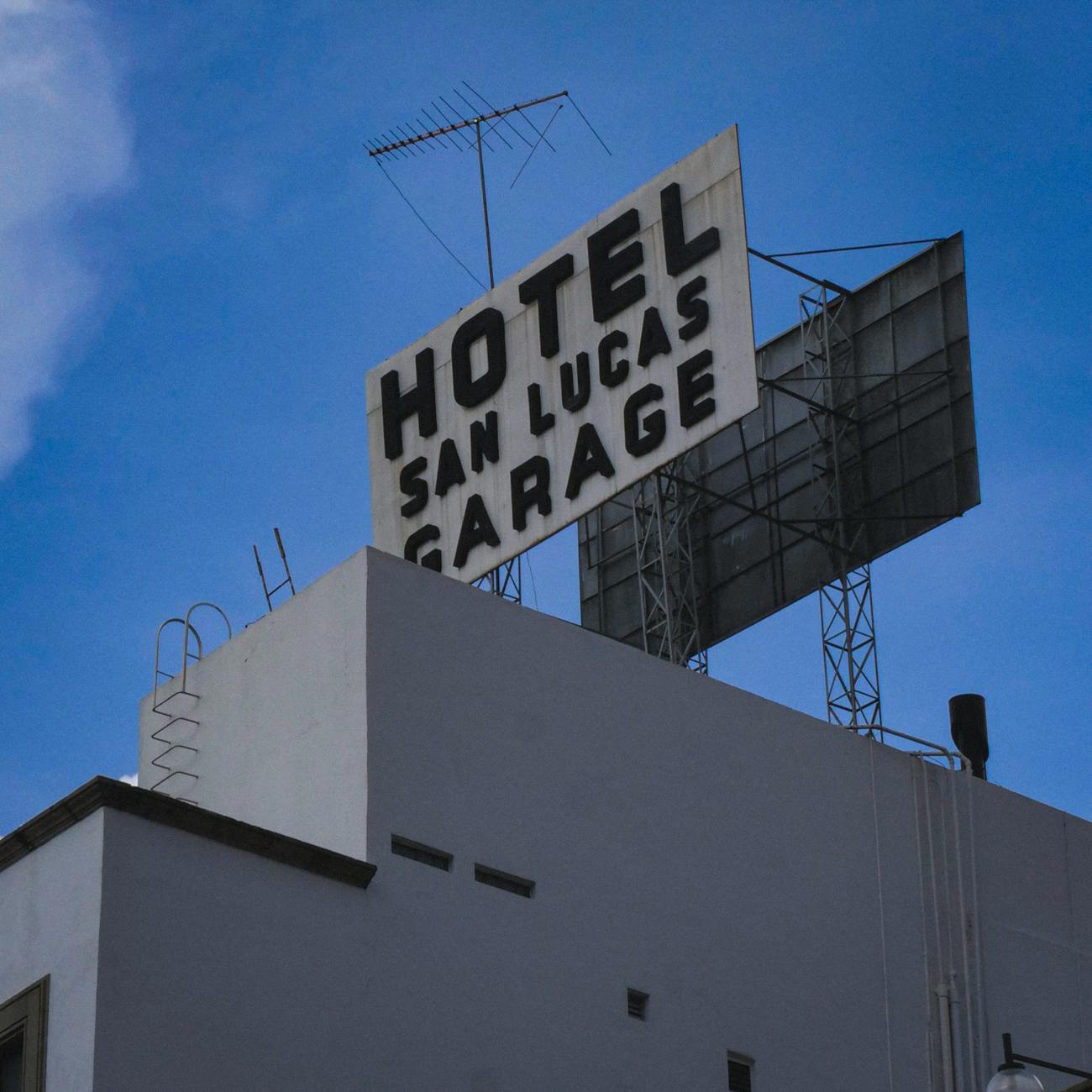
Project Scope defines the boundaries of what will be delivered, the work that must be performed, and the objectives that must be achieved. In a hotel maintenance setting the scope might include upgrading the HVAC system, retrofitting fire‑suppression equipment, and installing energy‑efficient lighting throughout guest rooms. Clear scope statements prevent “scope creep,” the gradual expansion of work without corresponding adjustments to schedule or budget. A common challenge is balancing the desire for additional features with limited financial resources; a well‑documented scope helps stakeholders negotiate trade‑offs early in the project life cycle.
Work Breakdown Structure (WBS) is a hierarchical decomposition of the total project scope into smaller, manageable components. For a hotel engineering overhaul, the top‑level might be “Guest Room Renovation,” which is broken down into “Electrical Upgrade,” “Plumbing Replacement,” and “Finishes.” Each of these is further divided into tasks such as “Install new circuit breakers” or “Replace bathroom faucets.” The WBS provides a roadmap for assigning responsibility, estimating costs, and tracking progress. One practical difficulty is ensuring that every necessary activity is captured without creating too many low‑level items that become difficult to control.
Gantt Chart is a visual timeline that displays tasks, their durations, start and finish dates, and dependencies. In a hotel maintenance project, a Gantt chart can show that “Install air‑handling units” cannot begin until “Seal roof penetrations” is complete. The chart makes it easy to identify overlapping activities, allocate resources, and communicate the schedule to hotel management. A frequent challenge is maintaining accuracy when unexpected delays—such as supply chain disruptions for specialized parts—force schedule adjustments.
Critical Path Method (CPM) identifies the longest sequence of dependent activities that determines the shortest possible project duration. If the critical path includes “Upgrade boiler control system,” “Test pressure relief valves,” and “Commission new chillers,” any delay in these tasks will postpone the entire project. Understanding the critical path enables the project manager to focus attention on high‑impact activities and allocate buffer time where needed. However, in a dynamic hotel environment where guest occupancy fluctuates, the critical path may shift as resources are reallocated to urgent repairs.
Earned Value Management (EVM) integrates scope, schedule, and cost data to assess project performance. Key metrics include Planned Value (PV), Earned Value (EV), and Actual Cost (AC). For example, if a hotel’s energy‑saving retrofit has a PV of $200,000, an EV of $180,000, and an AC of $190,000, the Schedule Variance (SV) is –$20,000, indicating the project is behind schedule, while the Cost Variance (CV) is –$10,000, showing it is over budget. EVM provides early warning signals, but it requires reliable data collection, which can be difficult when multiple subcontractors report in different formats.
Stakeholder Register is a document that lists all individuals, groups, or organizations with an interest in the project, along with their roles, expectations, and influence. In hotel engineering, stakeholders may include the general manager, facilities director, finance controller, guests, and local regulatory agencies. Maintaining an up‑to‑date register helps the project manager anticipate concerns, tailor communications, and manage conflicts. A typical challenge is that stakeholder priorities can change rapidly—for instance, a sudden increase in guest complaints about air quality may elevate the urgency of ventilation upgrades.
Risk Register captures identified risks, their probability, impact, and mitigation strategies. Risks in hotel maintenance projects might include “Unavailability of certified technicians,” “Regulatory compliance delays,” or “Unexpected asbestos discovery.” By assigning owners and contingency plans, the register transforms uncertainty into manageable actions. The difficulty often lies in accurately estimating probability and impact, especially for low‑frequency but high‑consequence events such as seismic retrofitting requirements.
Change Control Process outlines how modifications to scope, schedule, or budget are evaluated, approved, and documented. For a hotel, a request to replace a planned LED lighting system with a higher‑efficiency model would trigger a formal change request, impact analysis, and sign‑off by the finance controller and facilities manager. This process protects the project from uncontrolled alterations. The biggest obstacle is ensuring that all team members understand and follow the procedure, especially when urgent “quick fixes” seem to justify bypassing formal steps.
Baseline is the approved version of the project’s scope, schedule, and cost at a specific point in time, serving as a reference for performance measurement. In a hotel refurbishment, the baseline might be set after the design phase, capturing a $2.5 Million budget and a 12‑month schedule. Subsequent variances are measured against this baseline, allowing the project manager to report progress to senior management. Maintaining a stable baseline can be challenging when regulatory changes require design revisions after the baseline has been approved.
Milestone marks a significant point or event in the project timeline, often associated with a deliverable or decision gate. Examples include “Completion of guest‑room electrical rewiring” or “Final inspection of fire suppression system.” Milestones provide visible checkpoints for hotel leadership to assess readiness for occupancy and to authorize subsequent funding releases. A common pitfall is setting milestones that are too vague, such as “Finish phase one,” which makes it difficult to determine when the criterion has truly been met.
Resource Allocation involves assigning personnel, equipment, and materials to project activities. In a hotel engineering project, the allocation may schedule a team of three electricians, a HVAC specialist, and a crane for a two‑day window to replace rooftop condensers. Proper allocation avoids overallocation, reduces idle time, and respects labor regulations. The challenge is often the limited availability of skilled technicians who may also be needed for routine preventive maintenance, forcing the manager to negotiate priorities.
Level of Effort (LOE) tasks are activities that support the project but do not produce a tangible deliverable, such as project administration, reporting, or site supervision. For hotel maintenance, LOE might include daily safety briefings or weekly status meetings with the property manager. Although LOE does not directly generate a physical outcome, it consumes budget and must be estimated accurately to avoid cost overruns.
Procurement Management covers the processes required to acquire goods and services from external suppliers. In a hotel context, procurement may involve tendering for a contract to install a building‑automation system, evaluating vendor qualifications, and negotiating warranty terms. Effective procurement reduces risk of delays caused by late deliveries and ensures compliance with local building codes. A recurring difficulty is aligning the procurement timeline with the project schedule, especially when long lead‑times for specialized equipment are involved.
Contract Type defines the financial arrangement between the hotel and a supplier or contractor. Common types include Fixed‑Price, Cost‑Reimbursable, and Time‑and‑Materials. A Fixed‑Price contract for a lobby renovation provides cost certainty but transfers risk to the contractor, while a Time‑and‑Materials agreement for emergency repairs gives flexibility but may lead to higher expenses. Selecting the appropriate contract type requires understanding the project’s risk profile and the reliability of cost estimates.
Earned Value is the monetary value of work actually performed at a given point in time, expressed in terms of the approved budget. If a hotel’s plumbing upgrade has a budget of $500,000 and 40 % of the work is completed, the earned value is $200,000. This figure is used to calculate performance indices such as the Cost Performance Index (CPI) and Schedule Performance Index (SPI). Accurate earned‑value calculations depend on precise work‑package definitions and timely reporting.
Cost Performance Index (CPI) is a ratio of earned value to actual cost, indicating cost efficiency. A CPI of 0.9 Means the project is spending 10 % more than planned for each dollar of work completed. Hotel engineering managers monitor CPI to detect cost overruns early and to adjust resource usage. However, CPI can be misleading when a large portion of the budget is still unspent, as early cost data may not reflect later expenditures on high‑value items such as a central chiller plant.
Schedule Performance Index (SPI) measures schedule efficiency by comparing earned value to planned value. An SPI of 1.1 Indicates the project is progressing 10 % faster than planned. In a hotel renovation, a high SPI may be achieved by overlapping non‑critical tasks, but it could also lead to quality compromises if work is rushed. The project manager must balance the desire for a favorable SPI with the need to maintain guest comfort and safety standards.
Variance Analysis examines the differences between planned and actual performance, identifying root causes and corrective actions. For example, a variance analysis may reveal that a delay in installing fire‑alarm panels was due to a mis‑communication about required certifications. The analysis then recommends additional training for the procurement team. Conducting thorough variance analysis requires a culture of openness; otherwise, team members may be reluctant to report problems, leading to hidden issues.
Issue Log records problems that arise during project execution, distinct from risks because they have already occurred. An issue could be “Unexpected water leakage in a guest suite during wall demolition,” which requires immediate remediation. The log tracks the issue, its owner, resolution steps, and closure date. Prompt issue management prevents small problems from escalating into major schedule disruptions. A difficulty is ensuring that the issue log is reviewed regularly and that responsibilities for resolution are clearly assigned.
Quality Management Plan outlines how the project will achieve and verify quality standards. In hotel engineering, the plan may specify compliance with ISO 9001, local building codes, and the hotel brand’s operational standards for room temperature control. It includes inspection procedures, testing protocols, and acceptance criteria. Implementing the plan often faces challenges such as coordinating inspections with guest turnover schedules and ensuring that subcontractors adhere to the same quality expectations.
Inspection is a systematic examination of work to verify conformance with specifications. For a hotel’s new elevator installation, inspections might include structural integrity checks, safety brake tests, and final acceptance by the local authority having jurisdiction. Inspections are critical to obtaining occupancy permits and avoiding costly rework. Scheduling inspections can be problematic when regulators have limited availability, causing potential project delays.
Acceptance Criteria define the conditions that must be met for deliverables to be formally accepted by the client. In a hotel setting, acceptance criteria for a new HVAC system could include achieving a minimum airflow rate, maintaining temperature within a specified tolerance, and passing a third‑party energy‑efficiency audit. Clear criteria help avoid disputes at handover. The challenge is that criteria must be realistic and measurable; vague statements like “improved comfort” are difficult to verify.
Lessons Learned are documented insights gained from project successes and failures, intended to improve future performance. After completing a hotel façade refurbishment, the team may note that early engagement with the local planning department reduced permit turnaround time. Capturing lessons learned requires dedicated time at project closeout and a repository accessible to future project teams. Often, organizations neglect this step, losing valuable knowledge that could streamline subsequent maintenance initiatives.
Project Charter formally authorizes the project, defining its purpose, objectives, high‑level scope, and key stakeholders. For a hotel engineering management course, a charter might state: “Upgrade all guest‑room air‑conditioning units to meet new energy‑efficiency standards, within a budget of $1.2 Million and a 9‑month schedule.” The charter provides the project manager with authority to allocate resources. A common obstacle is insufficient detail in the charter, leading to ambiguity about decision‑making authority.
Project Management Office (PMO) is a centralized function that establishes standards, provides governance, and supports project managers across the organization. In a hotel chain, the PMO might develop templates for risk registers, enforce EVM reporting, and maintain a repository of past project documentation. The PMO helps achieve consistency, but it can become a bottleneck if approval processes are overly rigid.
Stakeholder Engagement involves active communication, consultation, and relationship‑building with those who have an interest in the project. For hotel maintenance, engaging the housekeeping department early ensures that planned room closures for renovations align with cleaning schedules, minimizing guest disruption. Effective engagement reduces resistance and fosters collaboration. The main challenge is balancing the diverse priorities of operational staff, senior management, and external regulators.
Communication Plan specifies who needs what information, when, and through which channels. In a hotel project, the plan may call for weekly status emails to the general manager, daily briefings with the site crew, and monthly progress meetings with the finance team. The plan also defines escalation procedures for critical issues. Poor communication often results from unclear responsibilities or reliance on informal channels such as ad‑hoc phone calls.
Integrated Change Control is the coordinated review and approval of all change requests, ensuring that impacts on scope, schedule, cost, and quality are fully understood before implementation. In practice, a request to replace a standard fire‑alarm panel with a wireless version would require a technical assessment, cost estimate, schedule impact analysis, and sign‑off by the change control board. The integrated approach prevents fragmented decisions that could jeopardize compliance.
Scope Baseline combines the project scope statement, WBS, and WBS dictionary, forming the foundation for scope verification. For a hotel renovation, the scope baseline might list 150 guest rooms, 20 conference suites, and associated mechanical systems. Any deviation from this baseline triggers a change request. Maintaining the baseline demands disciplined documentation, especially when design iterations occur frequently.
Schedule Baseline is the approved project schedule, often represented by a Gantt chart, against which actual progress is measured. In hotel engineering, the schedule baseline may allocate a three‑week window for façade cleaning, followed by a two‑week period for window replacement. Deviations are tracked through earned‑value metrics. Adjusting the baseline mid‑project can be contentious, as it may affect contractual milestones and performance bonuses.
Cost Baseline aggregates the approved budget for each work package, providing a reference for cost performance tracking. For a hotel’s energy‑efficiency project, the cost baseline may allocate $300,000 for lighting retrofits, $400,000 for HVAC upgrades, and $200,000 for commissioning. The baseline is the cornerstone of EVM calculations. A frequent difficulty is that contingency reserves are often excluded from the baseline, leading to underestimation of true project costs.
Project Schedule is the detailed timetable that outlines start and finish dates for all project activities. In a hotel context, the schedule must coordinate with peak guest seasons to avoid revenue loss. For example, major plumbing work may be scheduled during the low‑occupancy winter months. The schedule must also incorporate contingency windows for unexpected delays, such as extended testing of fire‑suppression systems.
Project Budget aggregates all estimated costs, including labor, materials, equipment, subcontractor fees, and contingency. In hotel maintenance, the budget must also account for potential revenue loss due to room closures, often expressed as “loss‑of‑use” allowances. Accurately forecasting the budget is critical for securing financing from hotel owners or investors. Budget overruns frequently stem from inadequate risk identification or from scope changes that were not formally approved.
Resource Histogram visualizes the allocation of resources over time, helping identify periods of overallocation or idle capacity. A histogram for electricians in a hotel refurbishment may reveal a peak in weeks 4‑6, followed by a lull in weeks 7‑9. This insight enables the manager to stagger tasks, hire temporary staff, or reassign personnel to other maintenance activities. The challenge is that resource availability can change abruptly due to sick leave or unexpected emergency repairs, requiring constant updates.
Monte Carlo Simulation uses random sampling to model the probability of different outcomes in a project’s schedule or cost. By running thousands of simulations, a hotel engineering manager can estimate the likelihood of completing the renovation within the planned budget. The output may show a 70 % probability of staying under $1.5 Million, prompting the manager to add a contingency reserve. Implementing Monte Carlo analysis demands reliable input distributions, which can be hard to derive for unique hotel assets with limited historical data.
Earned Schedule extends earned‑value analysis to time, providing a metric that translates earned value into an equivalent schedule measure. An earned‑schedule value of 8 months for a project with a planned duration of 10 months indicates the project is ahead of schedule. This metric is helpful for hotel projects where traditional schedule variance can be misleading due to non‑linear task dependencies. However, earned‑schedule requires consistent data collection and may be confusing to stakeholders unfamiliar with the concept.
Risk Mitigation involves actions taken to reduce the probability or impact of identified risks. In hotel engineering, mitigating the risk of equipment delivery delays could include qualifying multiple suppliers and maintaining safety stock of critical components. Effective mitigation reduces the need for reactive problem‑solving. The difficulty lies in allocating resources to mitigate risks that may never materialize, which can be perceived as wasteful by cost‑focused executives.
Risk Avoidance eliminates a risk by changing the project plan. For instance, if a local ordinance mandates seismic retrofitting, a risk avoidance strategy might be to select a building site that already meets seismic standards, thereby removing the need for costly upgrades. While avoidance can simplify project execution, it may also limit design flexibility or increase upfront costs.
Risk Transfer shifts the responsibility for a risk to a third party, typically through insurance or contractual clauses. A hotel may purchase performance insurance to cover the financial impact of a contractor failing to meet the installation deadline for a new fire‑alarm system. Transfer reduces the internal burden but may increase overall project cost due to premiums or higher contract rates.
Risk Acceptance acknowledges a risk without taking specific action, often because the cost of mitigation exceeds the potential impact. A low‑probability risk of a minor equipment failure might be accepted, with a contingency plan ready if it occurs. Acceptance requires clear documentation and stakeholder agreement. The challenge is ensuring that accepted risks do not accumulate unnoticed, leading to unexpected budget pressures later.
Project Management Software provides tools for planning, scheduling, resource management, and reporting. Popular platforms in hotel engineering include Primavera P6, Microsoft Project, and specialized CMMS (Computerized Maintenance Management System) integrations. These tools enable real‑time tracking of tasks such as “Replace guest‑room thermostats” and generate dashboards for senior management. However, software adoption can be hindered by steep learning curves, resistance from field technicians, and integration issues with existing hotel property‑management systems.
Critical Chain is a schedule‑management method that focuses on resource constraints and buffers. By protecting the project’s critical chain with time buffers, the method reduces multitasking and encourages task completion without interruptions. In a hotel renovation, the critical chain might be the sequence of “Demolition → Structural reinforcement → MEP installation.” Adding a feeding buffer after each major activity helps absorb delays without affecting the overall finish date. Implementation challenges include cultural resistance to buffer insertion, as some managers view buffers as “slack” rather than protective measures.
Lean Construction applies lean‑manufacturing principles to reduce waste, improve flow, and increase value. Techniques such as “just‑in‑time” delivery of materials can minimize storage space in hotel back‑of‑house areas. Value‑stream mapping helps identify non‑value‑adding steps, such as redundant approvals for minor repairs. While lean methods can enhance efficiency, they require strong collaboration among designers, contractors, and hotel operations staff, which can be difficult to achieve in a fragmented supply chain.
Kaizen is a philosophy of continuous improvement, encouraging all team members to suggest incremental enhancements. In a hotel maintenance department, a Kaizen suggestion might be to reorganize tool storage to reduce search time, thereby freeing technicians for more critical repairs. The cumulative effect of many small improvements can be substantial. The main barrier is establishing a culture where frontline staff feel empowered to propose changes without fear of reprisal.
Six Sigma focuses on reducing process variation and defects, using the DMAIC (Define, Measure, Analyze, Improve, Control) methodology. For a hotel’s preventive‑maintenance program, Six Sigma can be applied to reduce the defect rate of HVAC filter replacements, targeting a goal of less than 1 % re‑work. Data collection, statistical analysis, and control charts are essential components. Implementing Six Sigma demands expertise in statistical tools and commitment from senior leadership, which may be scarce in a fast‑paced hospitality environment.
Project Life Cycle describes the phases a project passes through from initiation to closure. In hotel engineering, the typical phases are Initiation, Planning, Execution, Monitoring & Controlling, and Closing. Each phase has distinct deliverables, such as a feasibility study in Initiation, a detailed design package in Planning, and a commissioning report in Closing. Understanding the life cycle helps align activities with hotel operational calendars. A common mistake is skipping the formal Closing phase, resulting in incomplete documentation and unresolved issues.
Feasibility Study assesses whether a proposed project is viable in terms of technical, financial, and regulatory aspects. Before undertaking a major lobby renovation, a hotel may commission a feasibility study to evaluate the return on investment, required permits, and impact on guest traffic. The study provides a basis for decision‑making and helps secure stakeholder buy‑in. Conducting a thorough study can be time‑consuming, and pressure to start quickly may lead to superficial analysis and later rework.
Design Development refines the conceptual design into detailed specifications, drawings, and material selections. For a hotel’s guest‑room upgrade, design development includes finalizing the type of LED fixtures, specifying the thermostat model, and preparing installation details. Accurate design development reduces change orders during construction. The challenge is coordinating design revisions with the procurement timeline, especially when manufacturers release updated product lines during the project.
Procurement Schedule aligns the timing of purchases with project needs, ensuring that critical items arrive when required. In a hotel retrofit, the procurement schedule might specify that the new boiler unit be delivered two weeks before the old unit is de‑commissioned, avoiding a gap in heating service. Effective scheduling prevents storage constraints and reduces the risk of damage to items stored in hotel corridors. However, procurement schedules are vulnerable to external factors such as customs delays or supplier capacity constraints.
Commissioning verifies that all systems are installed, calibrated, and operating according to design intent. For a hotel’s new chilled‑water plant, commissioning includes performance testing, documentation of set points, and training of the facilities staff. Successful commissioning ensures that the building meets energy‑efficiency targets and guest comfort standards. Commissioning can be resource‑intensive, requiring coordination between contractors, engineers, and hotel operations, and may be rushed if project deadlines are tight.
As‑Built Drawings are updated drawings that reflect the final configuration of the facility after construction. In hotel engineering, as‑built drawings of the mechanical room show the exact routing of new pipework, valve locations, and equipment footprints. These documents are essential for future maintenance, troubleshooting, and future renovation planning. The difficulty is that field changes are often not captured promptly, leading to inaccurate as‑built records.
Warranty Management tracks the period during which suppliers and contractors are obligated to repair or replace defective work at no additional cost. For a hotel, a warranty on a new fire‑alarm system may last twelve months after commissioning. Effective warranty management ensures that defects are addressed promptly, protecting the hotel’s reputation and avoiding unexpected expenses. Challenges include maintaining a centralized warranty register and ensuring that warranty claims are filed within the stipulated time frames.
Facilities Management encompasses the operation and maintenance of the built environment. In a hotel, facilities management includes routine cleaning, HVAC servicing, electrical repairs, and compliance inspections. Project managers must coordinate with facilities teams to minimize disruption to guests while delivering upgrades. Integration between project schedules and daily facilities tasks is critical; failure to do so can result in guest complaints or safety incidents.
Asset Register is a comprehensive list of all physical assets owned by the hotel, including equipment, furniture, and infrastructure. Each asset record typically contains location, condition, maintenance history, and depreciation data. An asset register supports project planning by identifying which items need replacement or refurbishment. Keeping the register up‑to‑date is challenging, especially when assets are moved between properties or when documentation is inconsistent across departments.
Preventive Maintenance involves scheduled activities designed to avert equipment failure. In hotel engineering, preventive maintenance for air‑handling units may include filter changes, coil cleaning, and sensor calibration on a quarterly basis. Proper preventive maintenance extends asset life and reduces costly emergency repairs. The challenge is aligning maintenance windows with guest occupancy patterns to avoid service interruptions.
Corrective Maintenance addresses unexpected equipment failures or performance issues. When a guest reports a malfunctioning thermostat, the maintenance team performs corrective maintenance to restore proper temperature control. While corrective actions are necessary, excessive reliance on them indicates inadequate preventive strategies. Balancing corrective and preventive maintenance requires robust tracking systems and performance metrics.
Reliability Centered Maintenance (RCM) is a systematic approach that determines the most effective maintenance strategies based on equipment criticality and failure modes. For a hotel’s central chiller plant, RCM might recommend condition‑based monitoring of vibration levels and temperature differentials, supplemented by periodic component replacement. Implementing RCM can improve uptime and reduce unnecessary maintenance. However, it demands detailed failure data and sophisticated monitoring equipment, which may be beyond the budget of smaller hotel properties.
Condition Monitoring uses sensors and data analytics to assess equipment health in real time. Sensors on a hotel’s rooftop condensers can detect temperature spikes, vibration anomalies, or pressure deviations, triggering alerts before a failure occurs. Condition monitoring enables proactive interventions, reducing downtime. The main barrier is the initial investment in sensor hardware and the need for skilled personnel to interpret the data.
Key Performance Indicator (KPI) measures how effectively a project or operation achieves its objectives. In hotel maintenance, KPIs might include “Mean Time to Repair” (MTTR), “Energy Consumption per Guest Night,” and “Percentage of Planned Work Completed on Time.” KPIs provide a quantifiable basis for performance assessment and continuous improvement. Selecting meaningful KPIs is critical; overly generic metrics can mask underlying problems.
Mean Time to Repair (MTTR) calculates the average time required to fix a failed component and restore service. A lower MTTR for elevator repairs indicates efficient maintenance processes. Reducing MTTR improves guest satisfaction and reduces revenue loss from room closures. Accurate MTTR measurement requires consistent logging of failure and repair timestamps, which can be hindered by fragmented reporting systems.
Mean Time Between Failures (MTBF) measures the average operational time between successive failures of a system. In a hotel’s boiler system, a higher MTBF suggests reliable equipment and effective preventive maintenance. MTBF is useful for budgeting replacement cycles and planning spare‑parts inventory. However, MTBF assumes a constant failure rate, which may not hold true for aging assets subject to varying usage patterns.
Service Level Agreement (SLA) defines the expected performance standards between the hotel and service providers. An SLA for a third‑party HVAC contractor might stipulate a 24‑hour response time for critical failures and a 48‑hour resolution time for non‑critical issues. SLAs help manage expectations and provide a basis for penalties or incentives. Monitoring compliance can be difficult if data collection is not automated.
Performance Bond is a guarantee issued by a surety company that the contractor will fulfill contractual obligations. In hotel construction, a performance bond protects the property owner from contractor default, ensuring that the project will be completed or that the surety will cover the cost of remediation. Obtaining bonds can increase project costs, and some contractors may be reluctant to provide them for smaller projects.
Retainage is a portion of the contract sum withheld until the project is substantially complete, serving as an incentive for the contractor to finish all work satisfactorily. A typical retainage might be 5 % of the total contract value. Retainage helps ensure that the contractor addresses punch‑list items and completes all warranty obligations. However, excessive retainage can strain the contractor’s cash flow, especially for subcontractors with limited working capital.
Punch List is a document that enumerates items that do not meet the contract specifications at the time of substantial completion. In a hotel renovation, punch‑list items may include “Replace cracked tile in lobby” or “Re‑calibrate guest‑room thermostats.” The contractor must correct these items before final acceptance. Managing punch lists requires close coordination between the project manager, the hotel facilities team, and the contractor to avoid delays in the handover.
Final Acceptance occurs when the owner formally acknowledges that the project has met all contractual requirements and is ready for operation. For a hotel, final acceptance may involve a joint walk‑through with the facilities manager, the contractor, and the project sponsor, followed by signing a certificate of completion. Achieving final acceptance is essential for releasing retainage and closing out contracts. The challenge is ensuring that all documentation—such as warranties, as‑built drawings, and test reports—is complete and accurate before sign‑off.
Close‑out Documentation includes all records, reports, and deliverables compiled at project completion. In hotel engineering, this package typically contains the project charter, scope statement, risk register, change logs, commissioning reports, warranty certificates, and a lessons‑learned register. Proper close‑out documentation enables future maintenance teams to access critical information and supports audit compliance. In practice, close‑out is often rushed, leading to missing or incomplete files.
Project Sponsor is the senior individual who provides financial resources, strategic direction, and authority for the project. In a hotel setting, the sponsor might be the regional director of operations or the owner‑operator group. The sponsor champions the project, resolves escalated issues, and ensures alignment with broader business goals. Without active sponsor involvement, projects can stall due to lack of decision‑making authority.
Project Manager is the individual responsible for planning, executing, monitoring, controlling, and closing the project. The hotel project manager must balance technical expertise with stakeholder management, ensuring that engineering upgrades are delivered on time, within budget, and to the required quality standards. The role demands strong communication skills, especially when coordinating with diverse teams such as housekeeping, front‑desk, and external contractors.
Team Member contributes to project tasks according to assigned responsibilities. In hotel maintenance projects, team members may include electricians, HVAC technicians, civil engineers, and administrative staff. Clear role definition and empowerment improve productivity and reduce rework. Challenges arise when team members have competing duties, such as routine guest‑room service, which can dilute focus on the project.
Project Governance establishes the framework for decision‑making, accountability, and performance monitoring. Governance structures in hotel engineering may consist of a steering committee, a change control board, and regular status reporting to senior management. Effective governance ensures that the project aligns with corporate policies and regulatory requirements. Over‑bureaucratization, however, can slow down approvals and hinder agile responses to emerging issues.
Decision‑Making Authority clarifies who has the power to approve changes, allocate resources, and resolve conflicts. In a hotel renovation, the facilities director may have authority to approve minor cost changes, while the finance controller must sign off on budget overruns exceeding a predetermined threshold. Clearly defined authority prevents bottlenecks and reduces ambiguity. Ambiguity often leads to delayed decisions and escalated disputes.
Escalation Procedure outlines the steps for raising issues that cannot be resolved at the operational level. For example, if a critical fire‑alarm component fails and the contractor cannot supply a replacement within the required timeframe, the issue is escalated to the project sponsor and the hotel’s legal department. A well‑structured escalation path ensures timely resolution and maintains project momentum. The main obstacle is ensuring that all parties are aware of the procedure and that escalations are not suppressed due to fear of repercussions.
Stakeholder Analysis assesses the interests, influence, and expectations of each stakeholder. In hotel engineering, a stakeholder analysis might reveal that the housekeeping department has high influence over room‑closure schedules, while the marketing team has moderate interest in the aesthetic outcomes of lobby upgrades. Understanding these dynamics helps tailor communication and negotiation strategies. Conducting a thorough analysis can be time‑consuming, but it prevents misalignment later in the project.
Communication Matrix maps information flows between stakeholders, specifying the content, format, frequency, and responsible party. For a hotel project, the matrix could dictate that weekly progress reports are sent via email to senior management, while daily shift briefings are delivered verbally on site. The matrix promotes consistency and reduces information gaps. However, maintaining the matrix requires discipline; informal communication channels can bypass it, leading to missed updates.
Project Documentation encompasses all written records generated throughout the project lifecycle. This includes contracts, meeting minutes, technical specifications, inspection reports, and correspondence. Proper documentation supports transparency, facilitates audits, and serves as a knowledge base for future projects. In hospitality, documentation must also comply with data‑privacy regulations when guest information is involved. The main challenge is ensuring that documents are stored in an accessible, secure repository and that version control is rigorously enforced.
Configuration Management controls changes to project artifacts, ensuring that the correct versions of drawings, specifications, and software are used at each stage. In a hotel upgrade, configuration management prevents the installation crew from using outdated wiring diagrams that could cause compliance violations. Implementing configuration management often requires specialized tools and disciplined processes, which can be perceived as overhead by operational staff.
Project Health Check is a periodic review that evaluates the project’s status against its objectives, schedule, budget, and risk profile. For a hotel engineering initiative, a health check might be conducted monthly, involving the project manager, sponsor, and key department heads. The review identifies early signs of deviation, enabling corrective actions before issues become critical. Conducting honest health checks can be difficult if team members fear negative repercussions for reporting problems.
Cost Estimate provides an approximation of the financial resources required to complete the project. Estimates may be developed using parametric methods (e.G., Cost per square foot), analogous projects, or detailed bottom‑up calculations. In hotel engineering, a cost estimate for a lobby refurbishment might incorporate labor rates, material costs, equipment rentals, and contingency. Accuracy improves with data from past projects, but estimates can be compromised by optimistic bias or insufficient market data.
Contingency Reserve is a budget set aside to address identified risks with known probabilities and impacts. For example, a 5 % contingency might be allocated to cover potential price escalations for HVAC components. Contingency reserves are distinct from management reserves, which address unforeseen events. Properly estimating contingency requires robust risk analysis; under‑estimating contingency can lead to budget overruns, while over‑estimating can reduce the efficiency of capital allocation.
Management Reserve is a budgetary buffer for unknown, unforeseeable risks, typically controlled by senior management. In a hotel project, a management reserve might be used to cover an unexpected requirement to upgrade a fire‑suppression system due to a change in local codes. The reserve is not part of the baseline cost and requires high‑level approval for use. Over‑reliance on management reserves may indicate inadequate risk planning.
Resource Leveling smooths resource usage by adjusting start and finish dates to avoid over‑allocation. For a hotel renovation, resource leveling may shift the installation of bathroom fixtures to a later week to prevent exceeding the available pool of licensed plumbers.
Key takeaways
- A common challenge is balancing the desire for additional features with limited financial resources; a well‑documented scope helps stakeholders negotiate trade‑offs early in the project life cycle.
- For a hotel engineering overhaul, the top‑level might be “Guest Room Renovation,” which is broken down into “Electrical Upgrade,” “Plumbing Replacement,” and “Finishes.
- A frequent challenge is maintaining accuracy when unexpected delays—such as supply chain disruptions for specialized parts—force schedule adjustments.
- If the critical path includes “Upgrade boiler control system,” “Test pressure relief valves,” and “Commission new chillers,” any delay in these tasks will postpone the entire project.
- EVM provides early warning signals, but it requires reliable data collection, which can be difficult when multiple subcontractors report in different formats.
- A typical challenge is that stakeholder priorities can change rapidly—for instance, a sudden increase in guest complaints about air quality may elevate the urgency of ventilation upgrades.
- The difficulty often lies in accurately estimating probability and impact, especially for low‑frequency but high‑consequence events such as seismic retrofitting requirements.