
Musculoskeletal Assessment and Treatment
Musculoskeletal Assessment and Treatment are vital components of physical therapy, focusing on evaluating and addressing issues related to the muscles, bones, joints, and connective tissues of the body. This course provides professionals wi…
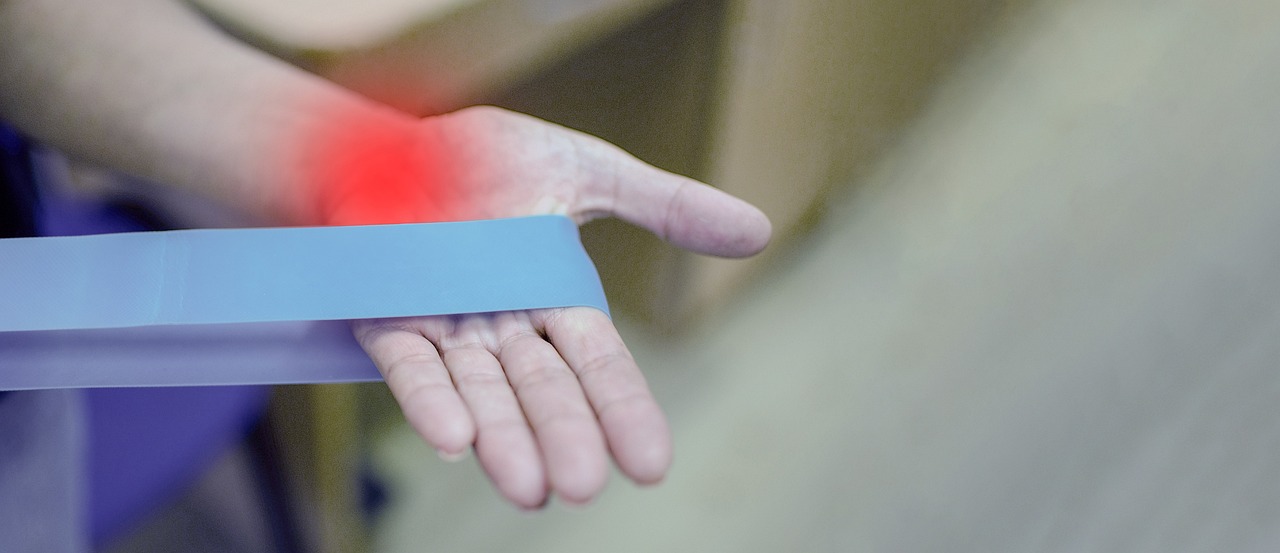
Musculoskeletal Assessment and Treatment are vital components of physical therapy, focusing on evaluating and addressing issues related to the muscles, bones, joints, and connective tissues of the body. This course provides professionals with the necessary knowledge and skills to assess, diagnose, and treat musculoskeletal conditions effectively. To excel in this field, it is crucial to understand key terms and vocabulary associated with musculoskeletal assessment and treatment.
1. **Musculoskeletal System**: The musculoskeletal system consists of the muscles, bones, joints, and connective tissues that provide structure, support, and movement to the body. It plays a crucial role in maintaining posture, balance, and physical function.
2. **Assessment**: Assessment refers to the process of evaluating a patient's musculoskeletal condition through various methods such as history taking, physical examination, and diagnostic tests. It helps in identifying the underlying issues and developing a treatment plan.
3. **Diagnosis**: Diagnosis involves identifying the specific musculoskeletal condition or injury that is causing the patient's symptoms. It is based on the findings from the assessment and helps in formulating an appropriate treatment strategy.
4. **Treatment**: Treatment encompasses a range of interventions aimed at managing musculoskeletal conditions and promoting recovery. It may include exercises, manual therapy, modalities, and patient education to improve function and reduce pain.
5. **Manual Therapy**: Manual therapy involves hands-on techniques such as mobilization and manipulation of joints and soft tissues to improve mobility, reduce pain, and restore function. It is a key component of musculoskeletal treatment.
6. **Exercise Therapy**: Exercise therapy includes a variety of exercises designed to improve strength, flexibility, endurance, and coordination in patients with musculoskeletal conditions. It plays a crucial role in rehabilitation and prevention of injuries.
7. **Modalities**: Modalities are physical agents or devices used to provide therapeutic effects such as pain relief, inflammation reduction, and tissue healing. Examples include heat therapy, cold therapy, ultrasound, and electrical stimulation.
8. **Patient Education**: Patient education involves providing information to patients about their musculoskeletal condition, treatment options, self-management strategies, and preventive measures. It empowers patients to take an active role in their recovery.
9. **Functional Assessment**: Functional assessment evaluates a patient's ability to perform activities of daily living, work tasks, and recreational activities. It helps in determining the impact of musculoskeletal conditions on functional abilities.
10. **Range of Motion**: Range of motion (ROM) refers to the extent of movement that a joint can achieve in various directions. It is important to assess ROM to identify restrictions, stiffness, or instability in the musculoskeletal system.
11. **Strength Testing**: Strength testing evaluates the muscle strength and endurance of specific muscle groups using manual resistance, dynamometers, or other tools. It helps in assessing muscle imbalances and weakness associated with musculoskeletal conditions.
12. **Postural Assessment**: Postural assessment examines the alignment of the body in static and dynamic positions. It helps in identifying postural deviations, asymmetries, and imbalances that may contribute to musculoskeletal problems.
13. **Gait Analysis**: Gait analysis assesses the pattern of walking or running to identify abnormalities in the biomechanics of the lower extremities. It is essential for evaluating gait abnormalities that may affect musculoskeletal function.
14. **Orthopedic Tests**: Orthopedic tests are special physical examination maneuvers designed to elicit specific signs or symptoms related to musculoskeletal conditions. They help in confirming or ruling out certain diagnoses.
15. **Soft Tissue Techniques**: Soft tissue techniques involve manual manipulation of muscles, fascia, tendons, and ligaments to improve tissue mobility, reduce adhesions, and promote healing. Examples include massage, myofascial release, and trigger point therapy.
16. **Joint Mobilization**: Joint mobilization is a manual therapy technique that aims to restore normal joint motion by applying controlled forces to the joint surfaces. It helps in reducing pain, improving joint function, and enhancing mobility.
17. **Joint Manipulation**: Joint manipulation is a high-velocity, low-amplitude thrust technique applied to a specific joint to restore normal alignment and function. It is commonly used to treat joint restrictions and musculoskeletal pain.
18. **Neuromuscular Reeducation**: Neuromuscular reeducation focuses on retraining the neuromuscular system to improve muscle coordination, control, and movement patterns. It is essential for enhancing functional performance and preventing re-injury.
19. **Biomechanics**: Biomechanics is the study of forces and motion applied to the human body, particularly in relation to musculoskeletal function. Understanding biomechanics is crucial for assessing movement patterns, joint mechanics, and injury mechanisms.
20. **Kinesiology**: Kinesiology is the study of human movement, including the anatomy, physiology, and mechanics of body motion. It provides a foundation for understanding musculoskeletal function and designing effective rehabilitation programs.
21. **Muscle Imbalance**: Muscle imbalance refers to an unequal distribution of strength, flexibility, or coordination between opposing muscle groups. It can lead to abnormal movement patterns, joint dysfunction, and increased injury risk.
22. **Postural Dysfunction**: Postural dysfunction involves abnormal alignment or positioning of the body that may result from muscle imbalances, poor posture habits, or structural abnormalities. It can contribute to musculoskeletal pain and dysfunction.
23. **Rehabilitation**: Rehabilitation is a comprehensive program aimed at restoring function, reducing pain, and improving quality of life in patients with musculoskeletal injuries or conditions. It incorporates various therapeutic interventions to promote recovery.
24. **Functional Training**: Functional training focuses on exercises that mimic real-life movements and activities to improve strength, balance, and coordination for functional tasks. It is essential for enhancing performance and preventing injuries.
25. **Progressive Loading**: Progressive loading involves gradually increasing the intensity, duration, or complexity of exercises to challenge the musculoskeletal system and promote adaptation. It is a key principle in designing effective rehabilitation programs.
26. **Pain Management**: Pain management strategies aim to alleviate musculoskeletal pain and improve quality of life in patients. It may involve modalities, manual therapy, exercise, medication, and psychological interventions tailored to individual needs.
27. **Return to Sport/Activity**: Return to sport or activity protocols are guidelines for safely reintegrating athletes or individuals back to their pre-injury level of participation. It involves a gradual progression of activities to ensure optimal recovery and performance.
28. **Biopsychosocial Approach**: The biopsychosocial approach considers the biological, psychological, and social factors influencing musculoskeletal health and recovery. It emphasizes a holistic understanding of the patient to deliver comprehensive care.
29. **Evidence-Based Practice**: Evidence-based practice involves integrating the best available research evidence, clinical expertise, and patient values to make informed decisions about patient care. It ensures that treatment strategies are effective and tailored to individual needs.
30. **Interprofessional Collaboration**: Interprofessional collaboration involves working with other healthcare professionals, such as physicians, nurses, and occupational therapists, to provide comprehensive care for patients with musculoskeletal conditions. It enhances treatment outcomes and patient satisfaction.
In conclusion, mastering the key terms and vocabulary related to musculoskeletal assessment and treatment is essential for physical therapists to deliver high-quality care and achieve positive outcomes for their patients. By understanding these concepts and applying them in clinical practice, professionals can effectively evaluate, diagnose, and treat a wide range of musculoskeletal conditions, promoting optimal function and quality of life for their patients.
Musculoskeletal Assessment and Treatment involves the evaluation and management of conditions affecting the muscles, bones, joints, and associated tissues of the body. This course provides physical therapists with the knowledge and skills necessary to assess, diagnose, and treat musculoskeletal disorders effectively. To successfully navigate this field, it is essential to understand key terms and vocabulary commonly used in musculoskeletal assessment and treatment.
1. Musculoskeletal System: The musculoskeletal system is composed of the muscles, bones, joints, ligaments, tendons, and other connective tissues that provide structure, support, and movement to the body.
2. Assessment: Assessment is the process of gathering information about a patient's musculoskeletal condition through history-taking, physical examination, and diagnostic tests. It helps in identifying the underlying cause of the problem and developing an appropriate treatment plan.
3. Range of Motion (ROM): Range of motion refers to the extent to which a joint can move in various directions. It is assessed by measuring the degrees of movement at a joint and comparing it to normal values.
4. Active Range of Motion (AROM): Active range of motion is the range of motion that a patient can achieve voluntarily without assistance. It assesses the patient's ability to move a joint through its full range.
5. Passive Range of Motion (PROM): Passive range of motion is the range of motion that a therapist can move a patient's joint through without the patient's assistance. It helps assess the joint's flexibility and detect any restrictions.
6. Manual Muscle Testing (MMT): Manual muscle testing is a method used to assess the strength of individual muscles or muscle groups. It involves applying resistance to a specific movement to determine the muscle's strength.
7. Goniometry: Goniometry is the measurement of joint angles using a goniometer. It provides precise measurements of joint motion and helps in tracking progress during treatment.
8. Posture: Posture refers to the alignment of the body in various positions. Proper posture is essential for maintaining musculoskeletal health and preventing injuries.
9. Alignment: Alignment refers to the correct positioning of bones and joints in relation to each other. Proper alignment is crucial for optimal function and movement.
10. Palpation: Palpation is the technique of using hands to feel and assess the structures of the musculoskeletal system. It helps in identifying areas of tenderness, swelling, or abnormalities.
11. Strength: Strength is the ability of a muscle or muscle group to generate force. Assessing strength is important for determining muscle imbalances and weaknesses that may contribute to musculoskeletal problems.
12. Flexibility: Flexibility is the ability of a muscle or joint to move through its full range of motion. It is essential for maintaining optimal function and preventing injuries.
13. Stability: Stability refers to the ability of a joint or body part to maintain its position and resist external forces. It is crucial for proper movement and injury prevention.
14. Balance: Balance is the ability to maintain equilibrium and control body position during static and dynamic activities. It is essential for functional movement and injury prevention.
15. Proprioception: Proprioception is the body's ability to sense its position, movement, and force of muscles and joints. It plays a vital role in coordinating movement and maintaining balance.
16. Functional Movement: Functional movement refers to the ability to perform daily activities and tasks with efficiency and without pain or restrictions. It involves coordination, strength, flexibility, and stability.
17. Myofascial Release: Myofascial release is a hands-on technique used to release tension and tightness in the muscles and fascia. It helps in improving flexibility, reducing pain, and restoring optimal movement.
18. Joint Mobilization: Joint mobilization is a manual therapy technique used to restore normal joint movement and function. It involves applying gentle, controlled movements to the joint to reduce stiffness and improve range of motion.
19. Therapeutic Exercise: Therapeutic exercise involves specific exercises prescribed to address musculoskeletal impairments, improve strength, flexibility, and endurance, and enhance functional abilities.
20. Modalities: Modalities are treatment techniques used to manage pain, reduce inflammation, and promote healing.
21. Taping: Taping is the application of adhesive tape to support or stabilize muscles and joints, reduce pain, and improve function. It is commonly used in sports injuries and musculoskeletal conditions.
22. Bracing: Bracing involves the use of external devices like braces or splints to support and protect injured or weak joints. It helps in reducing pain, improving stability, and promoting healing.
23. Patient Education: Patient education is an essential component of musculoskeletal treatment. It involves providing information on the condition, treatment plan, self-care strategies, and preventive measures to empower patients in managing their health.
24. Home Exercise Program (HEP): A home exercise program is a set of exercises prescribed by the therapist for the patient to perform at home. It helps in reinforcing treatment effects, improving compliance, and promoting long-term recovery.
25. Adherence: Adherence refers to the patient's compliance with the treatment plan, including attending therapy sessions, performing exercises, and following self-care instructions. It is crucial for achieving positive outcomes.
26. Progression: Progression is the gradual advancement of treatment intensity, frequency, or complexity based on the patient's response and goals. It ensures continued improvement and prevents plateaus in recovery.
27. Regression: Regression is the reduction or modification of treatment due to factors like pain, fatigue, or limited progress. It allows for appropriate adjustments to prevent exacerbation of symptoms.
28. Reevaluation: Reevaluation is the process of assessing the patient's progress, updating goals, and adjusting the treatment plan as needed. It ensures that the therapy remains effective and addresses the patient's evolving needs.
29. Multidisciplinary Approach: A multidisciplinary approach involves collaboration with other healthcare professionals, such as physicians, chiropractors, or occupational therapists, to provide comprehensive care and optimize patient outcomes.
30. Evidence-Based Practice: Evidence-based practice involves integrating the best available research evidence, clinical expertise, and patient values to make informed decisions about patient care. It ensures that treatments are effective, safe, and tailored to individual needs.
31. Interdisciplinary Communication: Interdisciplinary communication involves effective exchange of information and collaboration among different healthcare providers involved in the patient's care. It promotes continuity of care, prevents errors, and enhances patient outcomes.
32. Biopsychosocial Model: The biopsychosocial model considers the biological, psychological, and social factors that influence a patient's health and well-being. It emphasizes a holistic approach to assessment and treatment.
33. Red Flags: Red flags are warning signs of serious underlying conditions or complications that require immediate medical attention. They help in identifying high-risk patients and ensuring timely intervention.
34. Differential Diagnosis: Differential diagnosis is the process of distinguishing between similar conditions based on their unique characteristics, symptoms, and presentations. It helps in identifying the most likely cause of the patient's symptoms.
35. Treatment Plan: A treatment plan is a comprehensive outline of the therapeutic interventions, goals, and timeline for managing a patient's musculoskeletal condition. It guides the therapy process and tracks progress.
36. Prognosis: Prognosis is the predicted outcome of a patient's musculoskeletal condition based on factors like severity, response to treatment, and potential complications. It helps in setting realistic expectations and goals.
37. Referred Pain: Referred pain is pain perceived in a location away from the actual source of the problem. It occurs due to shared nerve pathways and can complicate diagnosis and treatment.
38. Radicular Pain: Radicular pain is pain that radiates along the nerve pathway, often caused by irritation or compression of a spinal nerve root. It can cause symptoms like numbness, tingling, or weakness in the affected area.
39. Muscle Imbalance: Muscle imbalance refers to the unequal strength or flexibility between opposing muscle groups. It can lead to altered movement patterns, pain, and increased risk of injury.
40. Overuse Injury: An overuse injury occurs due to repetitive stress on a part of the body, leading to tissue damage and inflammation. It is common in sports and activities that involve repetitive motions.
41. Acute Injury: An acute injury is a sudden onset injury resulting from trauma or accident. It causes immediate pain, swelling, and dysfunction and requires prompt evaluation and treatment.
42. Chronic Injury: A chronic injury is a long-standing condition that develops over time due to factors like repetitive stress, poor biomechanics, or inadequate healing. It often requires a comprehensive treatment approach.
43. Biomechanics: Biomechanics is the study of how forces affect the body's movement, structure, and function. Understanding biomechanics is important for assessing movement patterns, identifying dysfunctions, and optimizing treatment.
44. Ergonomics: Ergonomics is the science of designing workspaces, equipment, and tasks to fit the capabilities and limitations of the human body. It helps in preventing musculoskeletal injuries and promoting efficiency.
45. Imaging Studies: Imaging studies like X-rays, MRI, CT scans, and ultrasound are used to visualize the internal structures of the musculoskeletal system. They help in diagnosing fractures, joint injuries, and soft tissue abnormalities.
46. Arthroscopy: Arthroscopy is a minimally invasive surgical procedure that allows the visualization and treatment of joint structures using a small camera inserted through a small incision. It is commonly used for diagnosing and treating joint conditions.
47. Arthroplasty: Arthroplasty is a surgical procedure to replace or reconstruct a damaged joint with an artificial implant. It is performed to relieve pain, restore function, and improve quality of life in patients with severe joint degeneration.
48. Arthritis: Arthritis is a group of inflammatory joint conditions that cause pain, swelling, stiffness, and reduced range of motion. Common types include osteoarthritis, rheumatoid arthritis, and gout.
49. Tendinitis: Tendinitis is inflammation of a tendon, usually caused by overuse, repetitive motion, or injury. It leads to pain, swelling, and limited function in the affected area.
50. Ligament Sprain: A ligament sprain is an injury to a ligament, which connects bone to bone and provides stability to a joint. It causes pain, swelling, and instability in the joint.
51. Muscle Strain: A muscle strain is an injury to a muscle or tendon, resulting from overstretching or excessive contraction. It leads to pain, weakness, and limited mobility in the affected muscle.
52. Fracture: A fracture is a break or crack in a bone, usually caused by trauma or repetitive stress. It requires immobilization, realignment, and rehabilitation to promote healing and restore function.
53. Dislocation: A dislocation occurs when the bones in a joint are forced out of their normal position. It causes severe pain, swelling, and deformity and requires prompt reduction and stabilization.
54. Scoliosis: Scoliosis is a sideways curvature of the spine that can affect posture, movement, and breathing. It may require bracing, physical therapy, or surgery to manage symptoms and prevent progression.
55. Kyphosis: Kyphosis is an excessive outward curvature of the upper spine, leading to a rounded or hunched back. It can cause back pain, breathing difficulties, and postural problems if left untreated.
56. Lordosis: Lordosis is an excessive inward curvature of the lower spine, resulting in a swayback posture. It can lead to lower back pain, muscle imbalances, and mobility issues.
57. Osteoporosis: Osteoporosis is a condition characterized by reduced bone density and increased risk of fractures. It requires exercise, nutrition, and medication to prevent bone loss and maintain bone health.
58. Fibromyalgia: Fibromyalgia is a chronic pain disorder characterized by widespread musculoskeletal pain, fatigue, and sleep disturbances. It requires a multidisciplinary approach for symptom management and improved quality of life.
59. Myofascial Pain Syndrome: Myofascial pain syndrome is a chronic condition characterized by muscle pain, trigger points, and restricted movement. It is managed through manual therapy, stretching, and relaxation techniques.
60. Temporomandibular Joint Dysfunction (TMJ): TMJ dysfunction is a condition affecting the jaw joint, leading to pain, clicking, and limited jaw movement. It requires physical therapy, oral appliances, and stress management techniques for relief.
61. Rotator Cuff Injury: A rotator cuff injury is damage to the muscles and tendons surrounding the shoulder joint. It causes pain, weakness, and limited range of motion in the shoulder and may require physical therapy or surgery for recovery.
62. Carpal Tunnel Syndrome: Carpal tunnel syndrome is a nerve compression disorder in the wrist, causing pain, numbness, and tingling in the hand and fingers. It is treated with splinting, nerve gliding exercises, and ergonomic modifications.
63. Plantar Fasciitis: Plantar fasciitis is inflammation of the plantar fascia, a thick band of tissue on the bottom of the foot. It causes heel pain, especially in the morning, and is managed with stretching, orthotics, and supportive footwear.
64. Patellofemoral Pain Syndrome: Patellofemoral pain syndrome is knee pain around the kneecap, often due to overuse, muscle imbalances, or poor biomechanics. It requires strengthening, stretching, and activity modification for recovery.
65. Achilles Tendinopathy: Achilles tendinopathy is a degenerative condition of the Achilles tendon, causing pain and stiffness in the back of the heel. It is treated with eccentric exercises, orthotics, and gradual return to activity.
66. Sciatica: Sciatica is pain that radiates along the sciatic nerve, typically from the lower back down the back of the leg. It can be caused by disc herniation, muscle tightness, or spinal stenosis and is managed with physical therapy, medication, and injections.
67. Disc Herniation: A disc herniation is a protrusion of the intervertebral disc material that can compress nearby nerves, causing pain, numbness, and weakness. It may require physical therapy, medication, or surgery for relief.
68. Cervical Radiculopathy: Cervical radiculopathy is nerve compression in the neck, leading to arm pain, weakness, and tingling. It is managed with physical therapy, cervical traction, and nerve gliding exercises.
69. Lumbar Stenosis: Lumbar stenosis is narrowing of the spinal canal in the lower back, causing leg pain, numbness, and weakness. It requires physical therapy, spinal decompression, and sometimes surgical intervention for symptom relief.
70. Rheumatoid Arthritis: Rheumatoid arthritis is an autoimmune disease that causes joint inflammation, pain, and deformity. It requires a multidisciplinary approach involving medication, physical therapy, and lifestyle modifications for management.
71. Osteoarthritis: Osteoarthritis is a degenerative joint disease characterized by cartilage breakdown, pain, and stiffness. Treatment focuses on pain management, improving joint function, and maintaining mobility through exercise and lifestyle modifications.
72. Gout: Gout is a form of arthritis caused by the buildup of uric acid crystals in the joints, leading to sudden pain, swelling, and redness. It is managed with medication, dietary changes, and lifestyle modifications.
73. Ankylosing Spondylitis: Ankylosing spondylitis is a chronic inflammatory condition affecting the spine and sacroiliac joints, causing pain, stiffness, and fusion of the spine. Treatment includes medication, exercise, and posture training to maintain mobility and function.
74. Tendinopathy: Tendinopathy is a term used to describe tendon injuries, including tendinitis and tendinosis. It is managed with activity modification, eccentric exercises, and gradual return to function to promote tendon healing.
75. Bursitis: Bursitis is inflammation of a bursa, a fluid-filled sac that cushions and reduces friction between bones, tendons, and muscles. It causes pain, swelling, and limited movement and is treated with rest, ice, compression, and physical therapy.
76. Fasciitis: Fasciitis refers to inflammation of the fascia, a band of connective tissue that supports and stabilizes muscles and organs. Common types include plantar fasciitis and Achilles tendinitis, which require stretching, strengthening, and support to alleviate symptoms.
77. Spondylolisthesis: Spondylolisthesis is a condition in which a vertebra slips forward or backward on the vertebra below it, causing back pain, nerve compression, and spinal instability. Treatment involves physical therapy, bracing, and sometimes surgery to stabilize the spine and relieve symptoms.
78. Dupuytren's Contracture: Dupuytren's contracture is a progressive hand condition that causes thickening and tightening of the fascia in the palm, leading to finger contractures and limited hand function. Treatment includes hand therapy, splinting, and sometimes surgery to release the contractures.
79. Osgood-Schlatter Disease: Osgood-Schlatter disease is a common overuse injury in adolescents, causing pain and swelling below the knee due to inflammation of the patellar tendon attachment on the tibia. It is managed with rest, ice, stretching, and strengthening exercises to reduce symptoms and prevent recurrence.
80. Pes Planus: Pes planus, also known as flat feet, is a condition in which the arches of the feet collapse, leading to foot pain, fatigue, and altered gait mechanics. Treatment includes orthotics, stretching, strengthening, and footwear modifications to support the arches and reduce symptoms.
81. Patellar Tendinopathy: Patellar tendinopathy, also known as jumper's knee, is an overuse injury of the patellar tendon, causing pain and stiffness below the kneecap. It is managed with rest, eccentric exercises, patellar taping, and activity modification to reduce pain and improve tendon healing.
82. Rotator Cuff Tendinopathy: Rotator cuff tendinopathy is a common shoulder condition characterized by pain and weakness in the rotator cuff muscles, often due to overuse or impingement. Treatment involves strengthening exercises, shoulder stabilization, and activity modification to restore function and reduce pain.
83. Medial Epicondylitis: Medial epicondylitis, also known as golfer's elbow, is an overuse injury of the tendons on the inner side of the elbow, causing pain and weakness with gripping and wrist movements. It is managed with rest, stretching, eccentric exercises, and ergonomic modifications to reduce symptoms and promote tendon healing.
84. Lateral Epicondylitis: Lateral epicondylitis, also known as tennis elbow, is an overuse injury of the tendons on the outer side of the elbow, causing pain and weakness with gripping and wrist movements. Treatment includes rest, stretching, eccentric exercises, bracing, and activity modification to alleviate symptoms and improve tendon healing.
85. Anterior Cruciate Ligament (ACL) Injury: An ACL injury is a common knee injury, often occurring during sports or activities that involve sudden stops or changes in direction. It causes pain, swelling, and instability in the knee and requires physical therapy, bracing, and sometimes surgery
Musculoskeletal Assessment and Treatment
Musculoskeletal assessment and treatment are crucial components of physical therapy techniques. This course focuses on evaluating and managing musculoskeletal conditions to improve patient outcomes. Understanding key terms and vocabulary in this field is essential for effective practice. Let's delve into the terminology associated with musculoskeletal assessment and treatment.
Anatomy
Anatomy is the study of the structure of the human body. Understanding musculoskeletal anatomy is fundamental for physical therapists to assess and treat various conditions. Key anatomical terms include:
- Bones: Hard, mineralized structures that form the skeleton. Examples include the femur, humerus, and vertebrae. - Muscles: Contractile tissues responsible for movement. Muscles are attached to bones via tendons. - Joints: Points where bones meet and allow movement. Examples include the knee, shoulder, and hip joints.
Knowledge of anatomy helps therapists identify the source of musculoskeletal issues and tailor treatment plans accordingly.
Assessment
Assessment involves gathering information to understand a patient's condition fully. In musculoskeletal assessment, various methods are used to evaluate the patient's range of motion, strength, and function. Key assessment techniques include:
- Range of Motion (ROM) Testing: Assessing the extent of movement at a joint. This helps identify limitations and abnormalities. - Manual Muscle Testing (MMT): Evaluating muscle strength by asking the patient to resist applied force. This helps determine muscle weakness or imbalance. - Special Tests: Specific tests to assess ligament integrity, joint stability, or nerve function. Examples include the Lachman test for anterior cruciate ligament (ACL) integrity.
Accurate assessment guides treatment decisions and monitors progress throughout the rehabilitation process.
Treatment
Treatment aims to address musculoskeletal issues and promote recovery. Physical therapists use various interventions to improve function and reduce pain. Key treatment modalities include:
- Therapeutic Exercise: Prescribed exercises to improve strength, flexibility, and endurance. Examples include resistance training, stretching, and balance exercises. - Manual Therapy: Hands-on techniques to mobilize joints, manipulate soft tissues, and reduce pain. Examples include joint mobilization, massage, and myofascial release. - Modalities: Additional treatments such as heat, ice, ultrasound, or electrical stimulation to manage pain and inflammation.
Individualized treatment plans are tailored to each patient's specific needs and goals to optimize outcomes.
Rehabilitation
Rehabilitation focuses on restoring function and promoting independence after injury or surgery. Musculoskeletal rehabilitation aims to help patients regain mobility, strength, and endurance. Key rehabilitation concepts include:
- Progressive Loading: Gradually increasing the intensity of exercises to challenge muscles and promote adaptation. - Functional Training: Incorporating tasks that mimic daily activities to improve functional abilities. - Return to Sport: Guiding athletes through a structured program to safely resume sports participation after injury.
Rehabilitation requires a comprehensive approach that addresses physical, psychological, and social aspects of recovery.
Challenges
Musculoskeletal assessment and treatment present various challenges for physical therapists. Some common challenges include:
- Complex Cases: Patients with multiple musculoskeletal issues or comorbidities may require a more intricate treatment approach. - Non-Compliance: Some patients may struggle to adhere to prescribed exercises or lifestyle modifications, affecting treatment outcomes. - Unforeseen Complications: Unexpected changes or setbacks during rehabilitation may require therapists to adapt treatment plans quickly.
Overcoming these challenges requires effective communication, problem-solving skills, and a patient-centered approach.
Outcome Measures
Outcome measures are tools used to assess the effectiveness of treatment interventions and track patient progress. Key outcome measures in musculoskeletal rehabilitation include:
- Pain Scales: Numeric or visual scales to quantify pain intensity and monitor changes over time. - Functional Assessments: Tests to evaluate a patient's ability to perform daily tasks and activities. Examples include the Timed Up and Go test or the Lower Extremity Functional Scale. - Quality of Life Questionnaires: Surveys to assess the impact of musculoskeletal conditions on a patient's overall well-being.
Regular use of outcome measures helps therapists evaluate treatment efficacy, adjust interventions as needed, and communicate progress with patients and other healthcare providers.
Prevention
Prevention strategies play a crucial role in reducing the risk of musculoskeletal injuries and promoting long-term musculoskeletal health. Key prevention measures include:
- Education: Providing patients with information on proper body mechanics, ergonomics, and injury prevention techniques. - Exercise Programs: Designing personalized exercise routines to improve strength, flexibility, and balance, reducing the risk of falls and injuries. - Worksite Assessments: Evaluating ergonomic factors in the workplace to prevent repetitive strain injuries and musculoskeletal disorders.
By emphasizing prevention, physical therapists can help individuals maintain optimal musculoskeletal health and prevent future issues.
Interprofessional Collaboration
Interprofessional collaboration involves working with other healthcare professionals to provide comprehensive care to patients. In musculoskeletal assessment and treatment, collaboration with physicians, orthopedic surgeons, chiropractors, and other specialists is essential for optimal outcomes. Key aspects of interprofessional collaboration include:
- Communication: Sharing information, treatment plans, and progress updates to ensure coordinated care. - Referrals: Consulting with specialists for advanced diagnostics, procedures, or interventions beyond the scope of physical therapy. - Team Meetings: Participating in multidisciplinary meetings to discuss complex cases, set goals, and coordinate care plans.
Effective collaboration enhances patient outcomes, promotes continuity of care, and fosters a holistic approach to musculoskeletal health.
Technology in Practice
Technology plays a significant role in modern musculoskeletal assessment and treatment. Physical therapists utilize various tools and devices to enhance evaluation, treatment, and patient education. Key technologies include:
- Electromyography (EMG): Measures muscle activity to assess muscle function and detect abnormalities. - Therapeutic Ultrasound: Uses sound waves to promote tissue healing, reduce inflammation, and relieve pain. - Virtual Reality (VR) Rehabilitation: Immersive experiences to engage patients in therapeutic exercises and functional tasks.
Integrating technology into practice can improve treatment outcomes, increase patient engagement, and enhance the overall rehabilitation experience.
Professional Development
Continuous learning and professional development are essential for physical therapists to stay current with best practices and advancements in musculoskeletal assessment and treatment. Key strategies for professional development include:
- Continuing Education: Attending workshops, conferences, and courses to expand knowledge and skills in musculoskeletal rehabilitation. - Certifications: Obtaining specialized certifications in areas such as orthopedics, sports therapy, or manual therapy to enhance expertise. - Mentorship: Seeking guidance from experienced therapists to gain insights, feedback, and support in clinical practice.
Investing in professional development ensures that physical therapists deliver high-quality care and achieve optimal outcomes for their patients.
Evidence-Based Practice
Evidence-based practice involves integrating the best available research evidence, clinical expertise, and patient values to make informed decisions about patient care. In musculoskeletal assessment and treatment, following evidence-based guidelines and protocols is essential for delivering effective interventions. Key principles of evidence-based practice include:
- Literature Review: Reviewing current research studies, systematic reviews, and clinical practice guidelines to inform treatment decisions. - Clinical Reasoning: Applying critical thinking skills and clinical judgment to individualize treatment plans based on the available evidence. - Patient Preferences: Considering patient goals, values, and preferences when making treatment decisions to ensure patient-centered care.
By incorporating evidence-based practice into clinical decision-making, physical therapists can optimize outcomes, enhance quality of care, and promote patient satisfaction.
Conclusion
In conclusion, mastering key terms and vocabulary related to musculoskeletal assessment and treatment is essential for physical therapists to provide high-quality care and achieve optimal patient outcomes. Understanding anatomy, assessment techniques, treatment modalities, rehabilitation principles, and preventive strategies is crucial for effective practice. Overcoming challenges, utilizing outcome measures, engaging in interprofessional collaboration, integrating technology, investing in professional development, and following evidence-based guidelines are essential components of musculoskeletal rehabilitation. By applying these concepts in clinical practice, physical therapists can deliver comprehensive care, promote musculoskeletal health, and improve the quality of life for their patients.
Musculoskeletal Assessment and Treatment:
Understanding key terms and vocabulary in this field is essential for effective evaluation and management of musculoskeletal conditions. Let's delve into some of the key terms and concepts that are commonly used in musculoskeletal assessment and treatment:
1. **Musculoskeletal System**: The musculoskeletal system consists of muscles, bones, joints, ligaments, tendons, and other connective tissues that provide support, stability, and movement to the body.
2. **Assessment**: Assessment in musculoskeletal physical therapy involves evaluating a patient's musculoskeletal system to identify impairments, functional limitations, and potential contributing factors to their condition.
3. **Subjective Assessment**: Subjective assessment involves gathering information from the patient about their symptoms, medical history, previous injuries, and relevant activities that may affect their musculoskeletal health.
4. **Objective Assessment**: Objective assessment includes physical examinations, special tests, and measurements to assess the patient's musculoskeletal function, range of motion, strength, and other relevant parameters.
5. **Range of Motion (ROM)**: Range of motion refers to the extent of movement that a joint can perform in various directions. Assessing ROM helps in identifying restrictions, stiffness, or hypermobility in joints.
6. **Strength Testing**: Strength testing evaluates the muscle strength of specific muscle groups using manual muscle testing, dynamometers, or other tools to determine weakness, imbalance, or asymmetry.
7. **Palpation**: Palpation is a technique used to assess the texture, temperature, tenderness, and other characteristics of soft tissues, muscles, ligaments, and joints through touch.
8. **Special Tests**: Special tests are specific physical examinations or maneuvers designed to assess the integrity of certain structures, such as ligaments, tendons, or nerves, to aid in the diagnosis of musculoskeletal conditions.
9. **Postural Assessment**: Postural assessment involves evaluating the alignment, balance, and symmetry of the body in static and dynamic positions to identify postural deviations or abnormalities that may contribute to musculoskeletal issues.
10. **Gait Analysis**: Gait analysis assesses the pattern of walking or running to identify abnormalities, compensations, or dysfunctions in the lower extremities, pelvis, and spine that may affect musculoskeletal health.
11. **Muscle Imbalance**: Muscle imbalance occurs when there is an unequal distribution of strength, flexibility, or activation between opposing muscle groups, leading to altered movement patterns and increased risk of injury.
12. **Soft Tissue Mobilization**: Soft tissue mobilization techniques, such as massage, myofascial release, or instrument-assisted soft tissue mobilization (IASTM), are used to address muscle tightness, adhesions, and restrictions in the soft tissues.
13. **Joint Mobilization**: Joint mobilization techniques involve passive movements applied to specific joints to improve joint mobility, reduce pain, and restore normal joint mechanics through grades of movement.
14. **Manual Therapy**: Manual therapy encompasses a variety of hands-on techniques, including joint mobilization, soft tissue mobilization, stretching, and manipulation, used to improve joint and muscle function.
15. **Exercise Prescription**: Exercise prescription involves designing and implementing specific exercises, stretches, and activities to improve strength, flexibility, endurance, coordination, and functional performance in patients with musculoskeletal conditions.
16. **Therapeutic Modalities**: Therapeutic modalities, such as heat, cold, ultrasound, electrical stimulation, and laser therapy, are adjunctive treatments used to manage pain, inflammation, and promote tissue healing in musculoskeletal rehabilitation.
17. **Neuromuscular Reeducation**: Neuromuscular reeducation focuses on retraining motor control, coordination, and movement patterns to restore proper muscle activation, proprioception, and functional movement after injury or dysfunction.
18. **Functional Training**: Functional training involves simulating real-life movements and activities to improve the patient's ability to perform daily tasks, sports-specific activities, or occupational requirements with optimal biomechanics and efficiency.
19. **Patient Education**: Patient education is an essential component of musculoskeletal treatment, providing patients with information on their condition, self-management strategies, home exercises, ergonomic principles, and injury prevention tips.
20. **Treatment Plan**: A treatment plan outlines the goals, interventions, frequency, duration, and progression of therapy sessions tailored to the individual needs and goals of the patient to achieve optimal outcomes in musculoskeletal rehabilitation.
21. **Reassessment**: Reassessment involves periodically reviewing and evaluating the patient's progress, functional outcomes, pain levels, range of motion, strength, and other relevant parameters to modify the treatment plan and ensure continued improvement.
Challenges in Musculoskeletal Assessment and Treatment:
While musculoskeletal assessment and treatment are essential aspects of physical therapy practice, several challenges may arise in the evaluation and management of musculoskeletal conditions.
1. **Complexity of Conditions**: Musculoskeletal conditions can vary in complexity, severity, and underlying causes, requiring thorough assessment, differential diagnosis, and personalized treatment plans to address individual needs effectively.
2. **Multifactorial Nature**: Musculoskeletal issues often have multifactorial origins, including biomechanical, structural, postural, neuromuscular, systemic, and psychosocial factors that may interact and contribute to the patient's symptoms and functional limitations.
3. **Diagnostic Uncertainty**: Diagnosing musculoskeletal conditions accurately can be challenging due to overlapping symptoms, differential diagnoses, atypical presentations, and the need for comprehensive assessment to rule out other potential causes.
4. **Treatment Adherence**: Ensuring patient adherence to the prescribed treatment plan, including home exercises, lifestyle modifications, ergonomic recommendations, and follow-up appointments, can be challenging and may impact the efficacy of the intervention.
5. **Progress Monitoring**: Monitoring and tracking the patient's progress, functional outcomes, treatment response, and adherence to the plan require consistent reassessment, communication, and adjustment of interventions to optimize rehabilitation outcomes.
6. **Patient Expectations**: Managing patient expectations, goals, fears, beliefs, and emotional responses to their condition or treatment outcomes is essential for fostering a positive therapeutic relationship, motivation, compliance, and successful rehabilitation.
7. **Interprofessional Collaboration**: Collaborating with other healthcare professionals, such as physicians, orthopedic surgeons, radiologists, physiatrists, and occupational therapists, may be necessary to ensure comprehensive care, accurate diagnosis, and coordinated treatment for complex musculoskeletal conditions.
Practical Applications of Musculoskeletal Assessment and Treatment:
In clinical practice, physical therapists utilize musculoskeletal assessment and treatment techniques to address a wide range of musculoskeletal conditions and injuries. Here are some practical applications of these techniques in various settings:
1. **Orthopedic Rehabilitation**: Physical therapists working in orthopedic settings assess and treat patients recovering from fractures, joint replacements, ligament injuries, muscle strains, tendonitis, and other orthopedic surgeries through a combination of manual therapy, exercise, modalities, and patient education.
2. **Sports Medicine**: Physical therapists specializing in sports medicine evaluate and manage athletes with sports-related injuries, overuse injuries, biomechanical issues, and performance enhancement needs using specialized assessment tools, sports-specific exercises, agility drills, and sport-specific training programs.
3. **Geriatric Care**: Physical therapists working with older adults assess and treat age-related musculoskeletal conditions, such as osteoarthritis, osteoporosis, balance impairments, and fall prevention strategies through gentle exercises, functional training, gait training, and environmental modifications.
4. **Occupational Health**: Physical therapists in occupational health settings assess and treat work-related musculoskeletal disorders, repetitive strain injuries, ergonomic issues, and functional limitations through job site evaluations, workstation modifications, body mechanics training, and return-to-work programs.
5. **Manual Therapy Clinics**: Physical therapists specializing in manual therapy techniques, such as Mulligan concept, Maitland approach, McKenzie method, or Kaltenborn-Evjenth concept, provide hands-on interventions to mobilize joints, release soft tissues, improve joint mechanics, and restore functional movement patterns.
6. **Neurological Rehabilitation**: Physical therapists working with patients with neurological conditions, such as stroke, spinal cord injury, multiple sclerosis, or Parkinson's disease, incorporate musculoskeletal assessment and treatment techniques to address secondary musculoskeletal impairments, spasticity, contractures, and functional limitations.
7. **Chronic Pain Management**: Physical therapists in pain management programs assess and treat patients with chronic musculoskeletal pain, fibromyalgia, complex regional pain syndrome, or myofascial pain syndromes using a multimodal approach, including manual therapy, therapeutic exercise, modalities, cognitive-behavioral strategies, and pain neuroscience education.
By mastering key terms and concepts in musculoskeletal assessment and treatment, physical therapists can enhance their clinical skills, improve patient outcomes, and provide evidence-based care for individuals with musculoskeletal conditions. Continual professional development, hands-on experience, and interdisciplinary collaboration are essential for delivering high-quality musculoskeletal rehabilitation services that address the diverse needs of patients across the lifespan.
Key takeaways
- Musculoskeletal Assessment and Treatment are vital components of physical therapy, focusing on evaluating and addressing issues related to the muscles, bones, joints, and connective tissues of the body.
- **Musculoskeletal System**: The musculoskeletal system consists of the muscles, bones, joints, and connective tissues that provide structure, support, and movement to the body.
- **Assessment**: Assessment refers to the process of evaluating a patient's musculoskeletal condition through various methods such as history taking, physical examination, and diagnostic tests.
- **Diagnosis**: Diagnosis involves identifying the specific musculoskeletal condition or injury that is causing the patient's symptoms.
- **Treatment**: Treatment encompasses a range of interventions aimed at managing musculoskeletal conditions and promoting recovery.
- **Manual Therapy**: Manual therapy involves hands-on techniques such as mobilization and manipulation of joints and soft tissues to improve mobility, reduce pain, and restore function.
- **Exercise Therapy**: Exercise therapy includes a variety of exercises designed to improve strength, flexibility, endurance, and coordination in patients with musculoskeletal conditions.