
Design Thinking for Elderly Care
Design Thinking for Elderly Care is an innovative approach that aims to address the unique needs and challenges faced by the elderly population. This methodology focuses on understanding the needs, preferences, and limitations of older adul…
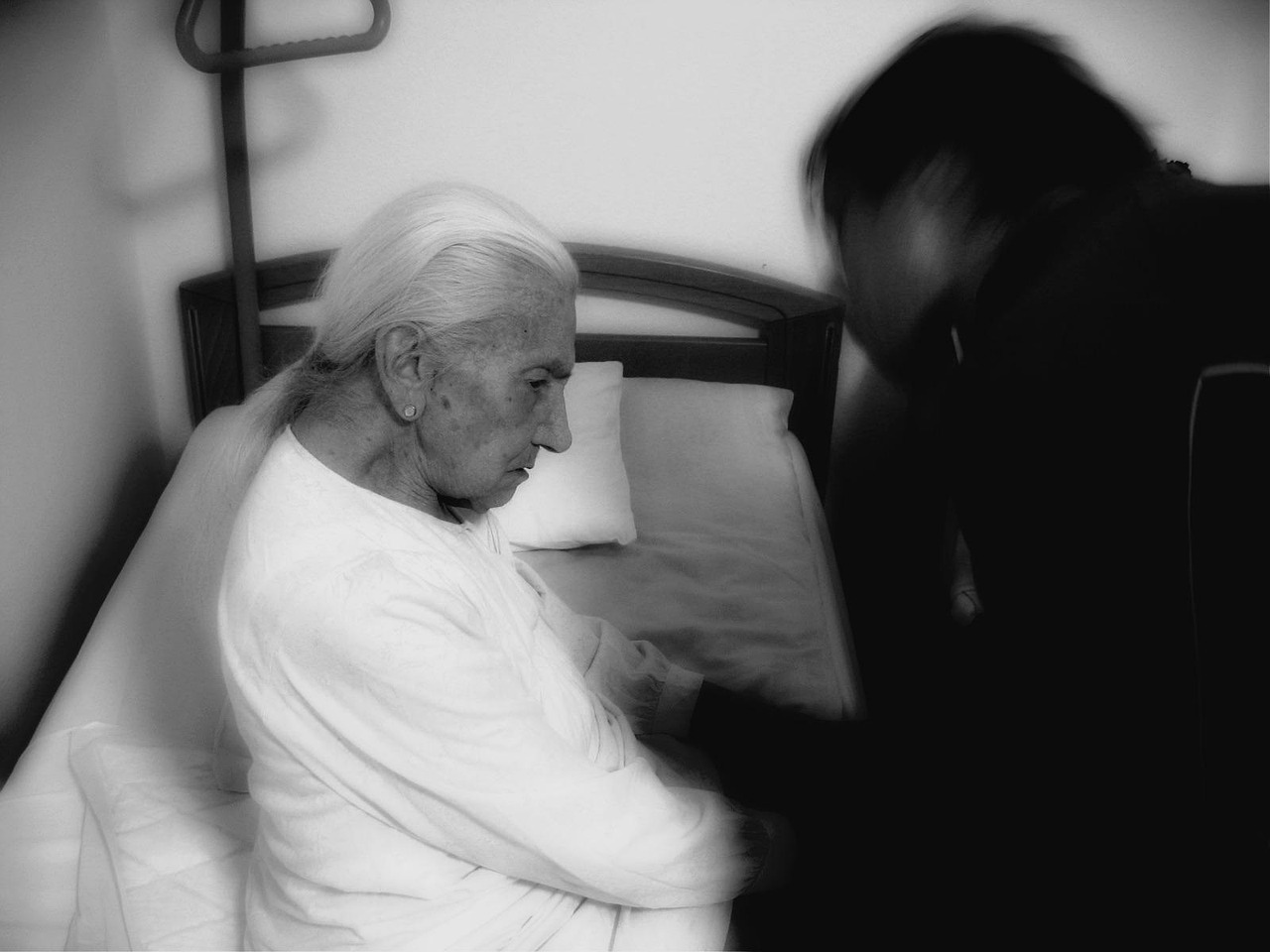
Design Thinking for Elderly Care is an innovative approach that aims to address the unique needs and challenges faced by the elderly population. This methodology focuses on understanding the needs, preferences, and limitations of older adults to create solutions that improve their quality of life and promote independence. In the Certificate Programme in Human-Centered Elderly Care Design, students will learn how to apply Design Thinking principles to develop creative and effective solutions for elderly care.
Key Terms and Vocabulary:
1. **Elderly Care**: The provision of support and assistance to older adults to help them maintain their independence, health, and well-being.
2. **Design Thinking**: A human-centered approach to innovation that focuses on understanding the needs of users, challenging assumptions, and redefining problems to create innovative solutions.
3. **Human-Centered Design**: A design approach that prioritizes the needs and preferences of users throughout the design process to ensure that solutions are relevant and effective.
4. **Empathy**: The ability to understand and share the feelings of others. In Design Thinking for Elderly Care, empathy is essential for gaining insights into the experiences and needs of older adults.
5. **Prototype**: A preliminary version of a product or service that is used to test and refine ideas before final implementation. Prototyping is a key step in the Design Thinking process.
6. **Iterate**: To repeat a process or cycle in order to refine and improve a design solution. Iteration is a fundamental aspect of Design Thinking for Elderly Care.
7. **User-Centered Design**: A design approach that involves users in the design process to ensure that solutions meet their needs and preferences.
8. **Co-creation**: A collaborative approach to design that involves working with users to develop solutions together. Co-creation is a key principle of Design Thinking for Elderly Care.
9. **Divergent Thinking**: The process of generating a wide range of ideas and solutions to a problem. Divergent thinking is encouraged in the ideation phase of the Design Thinking process.
10. **Convergent Thinking**: The process of selecting the best ideas and solutions from a range of options. Convergent thinking is used to refine and develop promising concepts.
11. **Prototype Testing**: The process of gathering feedback on prototypes from users to identify strengths and weaknesses and make improvements. Prototype testing is an important step in the Design Thinking process.
12. **Sustainable Design**: Designing solutions that are environmentally friendly, socially responsible, and economically viable. Sustainable design is an important consideration in Design Thinking for Elderly Care.
13. **Inclusive Design**: Designing solutions that are accessible and usable by people of all ages and abilities. Inclusive design is essential for ensuring that elderly care solutions meet the needs of diverse users.
14. **User Experience (UX) Design**: The process of designing products and services that provide a positive and meaningful experience for users. UX design is a key aspect of Design Thinking for Elderly Care.
15. **Service Design**: The process of designing services that are user-centered, efficient, and effective. Service design is important for creating holistic and integrated elderly care solutions.
16. **Design Challenge**: A specific problem or opportunity that serves as the focus of a design project. Design challenges are used to frame and guide the Design Thinking process.
17. **Design Sprint**: A time-constrained, structured process for solving design challenges quickly and collaboratively. Design sprints are often used in Design Thinking for Elderly Care to accelerate innovation.
18. **Persona**: A fictional character created to represent a specific user group. Personas are used in Design Thinking to empathize with users and understand their needs and preferences.
19. **Journey Map**: A visual representation of a user's experience with a product or service. Journey maps are used in Design Thinking to identify pain points and opportunities for improvement.
20. **Brainstorming**: A creative technique for generating ideas and solutions through group discussion and collaboration. Brainstorming is an essential part of the ideation phase in Design Thinking.
21. **Problem Framing**: The process of defining the problem or challenge that a design project aims to address. Problem framing is important for ensuring that solutions are focused and relevant.
22. **Ethnographic Research**: A research method that involves observing and interacting with users in their natural environment to gain insights into their behavior and needs. Ethnographic research is commonly used in Design Thinking for Elderly Care.
23. **Design Thinking Mindset**: A set of attitudes and beliefs that underpin the Design Thinking process, including empathy, curiosity, optimism, and a willingness to experiment and learn from failure.
24. **Design Challenge Statement**: A clear and concise statement that defines the problem or opportunity that a design project aims to address. Design challenge statements help focus and guide the Design Thinking process.
25. **Design Criteria**: Specific criteria or requirements that solutions must meet to be considered successful. Design criteria are used to evaluate and compare potential solutions.
26. **Rapid Prototyping**: The process of quickly creating and testing prototypes to gather feedback and refine ideas. Rapid prototyping is a key method used in Design Thinking for Elderly Care.
27. **Design Principles**: Fundamental guidelines or rules that inform the design process and help guide decision-making. Design principles are used to ensure that solutions are effective, efficient, and user-centered.
28. **Contextual Inquiry**: A research method that involves observing and interviewing users in their natural environment to gain insights into their needs, preferences, and behaviors. Contextual inquiry is used in Design Thinking to understand the context in which solutions will be used.
29. **Feedback Loop**: A process of gathering feedback, making adjustments, and iterating on design solutions. Feedback loops are used to continuously improve and refine ideas based on user input.
30. **Co-design**: A collaborative design approach that involves users in the design process as active participants and co-creators. Co-design is an essential aspect of Design Thinking for Elderly Care.
In conclusion, Design Thinking for Elderly Care is a powerful approach that can help address the complex challenges of aging populations. By applying key concepts and vocabulary such as empathy, prototyping, user-centered design, and co-creation, students in the Certificate Programme in Human-Centered Elderly Care Design will learn how to develop innovative and effective solutions that improve the quality of life for older adults.
Key takeaways
- In the Certificate Programme in Human-Centered Elderly Care Design, students will learn how to apply Design Thinking principles to develop creative and effective solutions for elderly care.
- **Elderly Care**: The provision of support and assistance to older adults to help them maintain their independence, health, and well-being.
- **Design Thinking**: A human-centered approach to innovation that focuses on understanding the needs of users, challenging assumptions, and redefining problems to create innovative solutions.
- **Human-Centered Design**: A design approach that prioritizes the needs and preferences of users throughout the design process to ensure that solutions are relevant and effective.
- In Design Thinking for Elderly Care, empathy is essential for gaining insights into the experiences and needs of older adults.
- **Prototype**: A preliminary version of a product or service that is used to test and refine ideas before final implementation.
- **Iterate**: To repeat a process or cycle in order to refine and improve a design solution.