
Epidemiology and Pathophysiology of Geriatric Oncology
Epidemiology and Pathophysiology of Geriatric Oncology
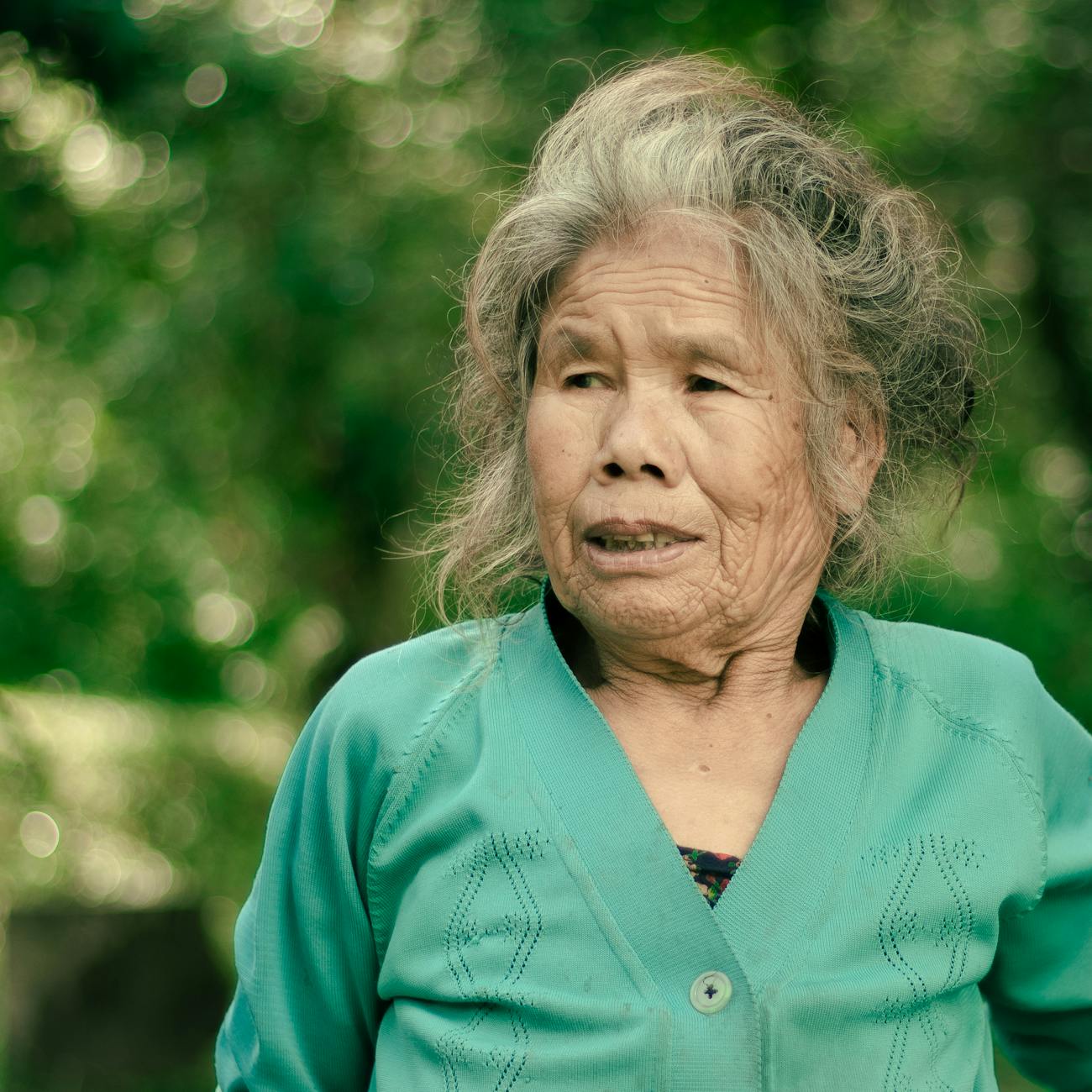
Epidemiology and Pathophysiology of Geriatric Oncology
Cancer is a significant health concern worldwide, with increasing incidence and prevalence among older adults. Geriatric oncology focuses on the study and treatment of cancer in older adults, considering the unique challenges and characteristics of this population. Understanding the epidemiology and pathophysiology of geriatric oncology is crucial for providing optimal care to older cancer patients.
Epidemiology of Cancer in Older Adults
Cancer is primarily a disease of aging, with the majority of cases diagnosed in individuals over the age of 65. As the population continues to age, the number of older adults with cancer is expected to rise significantly. According to the American Cancer Society, approximately 60% of all cancer diagnoses and 70% of all cancer-related deaths occur in individuals aged 65 and older.
Several factors contribute to the increased incidence of cancer in older adults. These include cumulative exposure to carcinogens over a lifetime, age-related changes in the immune system, and the presence of comorbidities that can increase cancer risk. Additionally, genetic factors and lifestyle choices such as smoking, diet, and physical activity play a role in the development of cancer in older adults.
The most common types of cancer in older adults include prostate, breast, lung, and colorectal cancer. However, older adults are also at increased risk for certain types of cancer that are less common in younger age groups, such as bladder, kidney, and pancreatic cancer.
Challenges in Geriatric Oncology Epidemiology
Epidemiological studies in geriatric oncology face several challenges due to the heterogeneity of the older adult population. Older adults are a diverse group with varying levels of physical function, cognitive function, comorbidities, and social support. This heterogeneity can make it challenging to generalize study findings to all older cancer patients.
Another challenge in geriatric oncology epidemiology is the underrepresentation of older adults in clinical trials. Older adults are often underrepresented in clinical trials due to strict eligibility criteria, comorbidities, and concerns about toxicity and tolerability of treatment. This lack of representation can limit the generalizability of study findings and the ability to develop evidence-based guidelines for older cancer patients.
Pathophysiology of Cancer in Older Adults
The pathophysiology of cancer in older adults is complex and influenced by both age-related changes and the underlying biology of cancer. Aging is associated with a decline in immune function, DNA repair mechanisms, and cellular senescence, which can contribute to the development and progression of cancer.
Older adults are more likely to present with advanced-stage cancer at diagnosis due to factors such as delayed diagnosis, atypical symptoms, and lower rates of cancer screening. Additionally, older adults may have multiple comorbidities that can complicate cancer treatment and contribute to poorer outcomes.
The biology of cancer in older adults may also differ from that in younger patients. Older adults are more likely to have hormone-sensitive tumors, which may respond differently to treatment. Additionally, older adults may be more susceptible to treatment-related toxicities due to age-related changes in drug metabolism and clearance.
Challenges in Geriatric Oncology Pathophysiology
Understanding the pathophysiology of cancer in older adults is essential for developing effective treatment strategies. However, there are several challenges in geriatric oncology pathophysiology that must be addressed. These include the limited evidence base for treating older cancer patients, the lack of geriatric-specific biomarkers, and the need for individualized treatment approaches.
Older adults are often underrepresented in clinical trials, leading to a lack of data on the efficacy and safety of cancer treatments in this population. This limited evidence base makes it challenging to determine the optimal treatment approach for older cancer patients and may result in suboptimal outcomes.
Geriatric-specific biomarkers are needed to better predict treatment response and toxicity in older adults. Traditional biomarkers may not accurately reflect the physiology of older adults or their tolerance to treatment. Developing geriatric-specific biomarkers could help tailor treatment decisions to individual older cancer patients.
Individualized treatment approaches are essential in geriatric oncology to account for the heterogeneity of the older adult population. Treatment decisions should consider factors such as functional status, comorbidities, cognitive function, and social support to optimize outcomes and quality of life for older cancer patients.
Conclusion
In conclusion, understanding the epidemiology and pathophysiology of geriatric oncology is essential for providing optimal care to older cancer patients. Older adults are a diverse group with unique characteristics and challenges that must be considered in the diagnosis and treatment of cancer. Addressing the challenges in geriatric oncology epidemiology and pathophysiology is crucial for improving outcomes and quality of life for older cancer patients.
Key takeaways
- Geriatric oncology focuses on the study and treatment of cancer in older adults, considering the unique challenges and characteristics of this population.
- According to the American Cancer Society, approximately 60% of all cancer diagnoses and 70% of all cancer-related deaths occur in individuals aged 65 and older.
- These include cumulative exposure to carcinogens over a lifetime, age-related changes in the immune system, and the presence of comorbidities that can increase cancer risk.
- However, older adults are also at increased risk for certain types of cancer that are less common in younger age groups, such as bladder, kidney, and pancreatic cancer.
- Older adults are a diverse group with varying levels of physical function, cognitive function, comorbidities, and social support.
- Older adults are often underrepresented in clinical trials due to strict eligibility criteria, comorbidities, and concerns about toxicity and tolerability of treatment.
- Aging is associated with a decline in immune function, DNA repair mechanisms, and cellular senescence, which can contribute to the development and progression of cancer.