
Introduction to Painting Techniques
Introduction to Painting Techniques
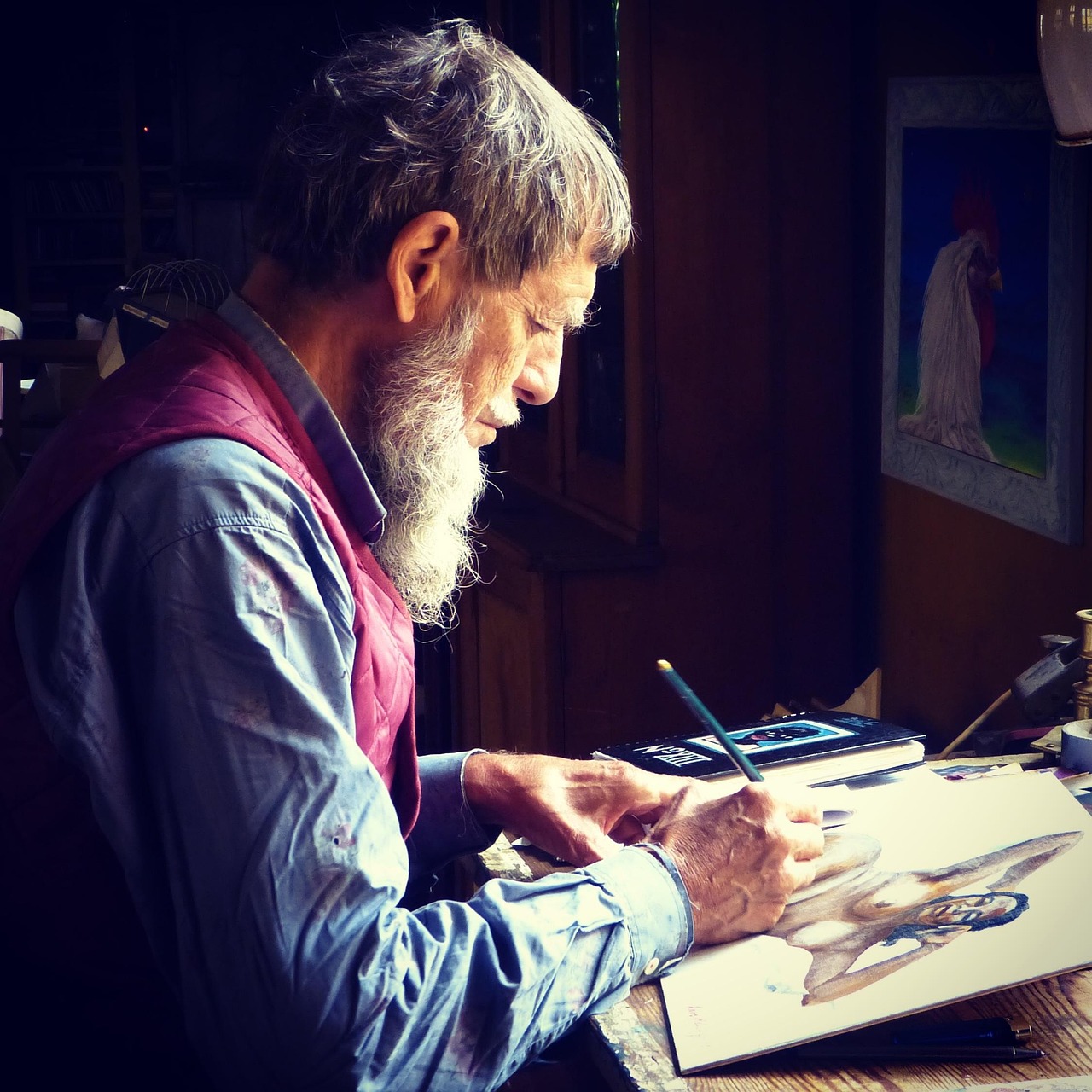
Introduction to Painting Techniques
In the Masterclass Certificate in Painting and Drawing for Elderly Care, participants will be introduced to a variety of painting techniques that are essential for creating beautiful and expressive artworks. Understanding these techniques will not only enhance your artistic skills but also provide you with the tools needed to effectively communicate ideas and emotions through your paintings.
Key Terms and Vocabulary
Below are key terms and vocabulary related to painting techniques that you will encounter throughout the course:
1. Brushstrokes: The way in which a paintbrush is used to apply paint to a surface. Brushstrokes can vary in thickness, direction, and texture, and can greatly impact the overall look and feel of a painting.
2. Color Theory: The study of how colors interact with each other. Understanding color theory is essential for creating harmonious and visually appealing paintings.
3. Composition: The arrangement of elements within a painting. A strong composition can draw the viewer's eye and create a sense of balance and harmony.
4. Value: The lightness or darkness of a color. Values are used to create contrast and depth in a painting.
5. Texture: The surface quality of a painting. Texture can be created through the use of different painting techniques and materials.
6. Underpainting: A layer of paint that is applied to a canvas before the main painting. Underpainting is used to establish the overall tone and mood of a painting.
7. Glazing: A painting technique in which thin layers of transparent paint are applied over dry layers of paint. Glazing is used to deepen colors and create a sense of luminosity.
8. Impasto: A painting technique in which thick layers of paint are applied to create a textured surface. Impasto can add depth and visual interest to a painting.
9. Blending: The technique of mixing colors together to create smooth transitions. Blending can be done with a brush, a palette knife, or even your fingers.
10. Scumbling: A painting technique in which a dry brush is used to apply a thin layer of paint over a dry surface. Scumbling is often used to create a soft, atmospheric effect.
11. Wet-on-Wet: A painting technique in which wet paint is applied to a wet surface. This technique allows colors to blend together seamlessly.
12. Dry Brush: A painting technique in which a dry brush is used to apply paint to a dry surface. Dry brushing can create a scratchy, textured effect.
13. Palette Knife: A tool with a flat, flexible blade that is used to apply and manipulate paint. Palette knives can create a variety of textures and effects.
14. Chiaroscuro: An Italian term that refers to the use of strong contrasts between light and dark in a painting. Chiaroscuro can create a dramatic and three-dimensional effect.
15. Monochrome: A painting that is done in a single color or shades of a single color. Monochrome paintings can be striking and powerful.
16. Acrylic Paint: A fast-drying type of paint that is water-soluble and can be used on a variety of surfaces. Acrylic paint is versatile and can be used to create a wide range of effects.
17. Oil Paint: A slow-drying type of paint that is made from pigments suspended in oil. Oil paint is known for its rich colors and smooth texture.
18. Watercolor: A transparent type of paint that is mixed with water. Watercolor is known for its luminous quality and delicate appearance.
19. Gesso: A primer that is applied to a canvas or surface before painting. Gesso provides a smooth and stable surface for painting.
20. Medium: A substance that is added to paint to alter its consistency or drying time. Mediums can also be used to create special effects in a painting.
Practical Applications
Understanding these key terms and vocabulary will help you develop a strong foundation in painting techniques. By applying these concepts in your own artwork, you will be able to create paintings that are visually engaging and emotionally resonant.
For example, by experimenting with different brushstrokes, you can create dynamic and expressive paintings that capture movement and energy. Understanding color theory will allow you to create harmonious color palettes that evoke specific moods and emotions. By mastering techniques such as glazing and impasto, you can add depth and texture to your paintings, creating a sense of realism and visual interest.
Challenges may arise when trying to master these techniques, as each requires practice and experimentation to perfect. However, by dedicating time and effort to learning and applying these techniques, you will see improvement in your artwork and gain confidence in your painting abilities.
Conclusion
In conclusion, the key terms and vocabulary presented in this explanation are essential for anyone looking to enhance their painting skills. By understanding and applying these concepts, you will be able to create paintings that are not only visually striking but also emotionally resonant. Through practice and experimentation, you will be able to master these techniques and develop your own unique style as an artist.
Key takeaways
- In the Masterclass Certificate in Painting and Drawing for Elderly Care, participants will be introduced to a variety of painting techniques that are essential for creating beautiful and expressive artworks.
- Brushstrokes can vary in thickness, direction, and texture, and can greatly impact the overall look and feel of a painting.
- Understanding color theory is essential for creating harmonious and visually appealing paintings.
- A strong composition can draw the viewer's eye and create a sense of balance and harmony.
- Values are used to create contrast and depth in a painting.
- Texture can be created through the use of different painting techniques and materials.
- Underpainting: A layer of paint that is applied to a canvas before the main painting.