
Psychosocial Aspects of Aging
Psychosocial Aspects of Aging is a crucial area of study in the Postgraduate Certificate in Geriatric Rehabilitation . It involves the emotional, mental, and social aspects of aging, and how they impact the overall well-being of older adult…
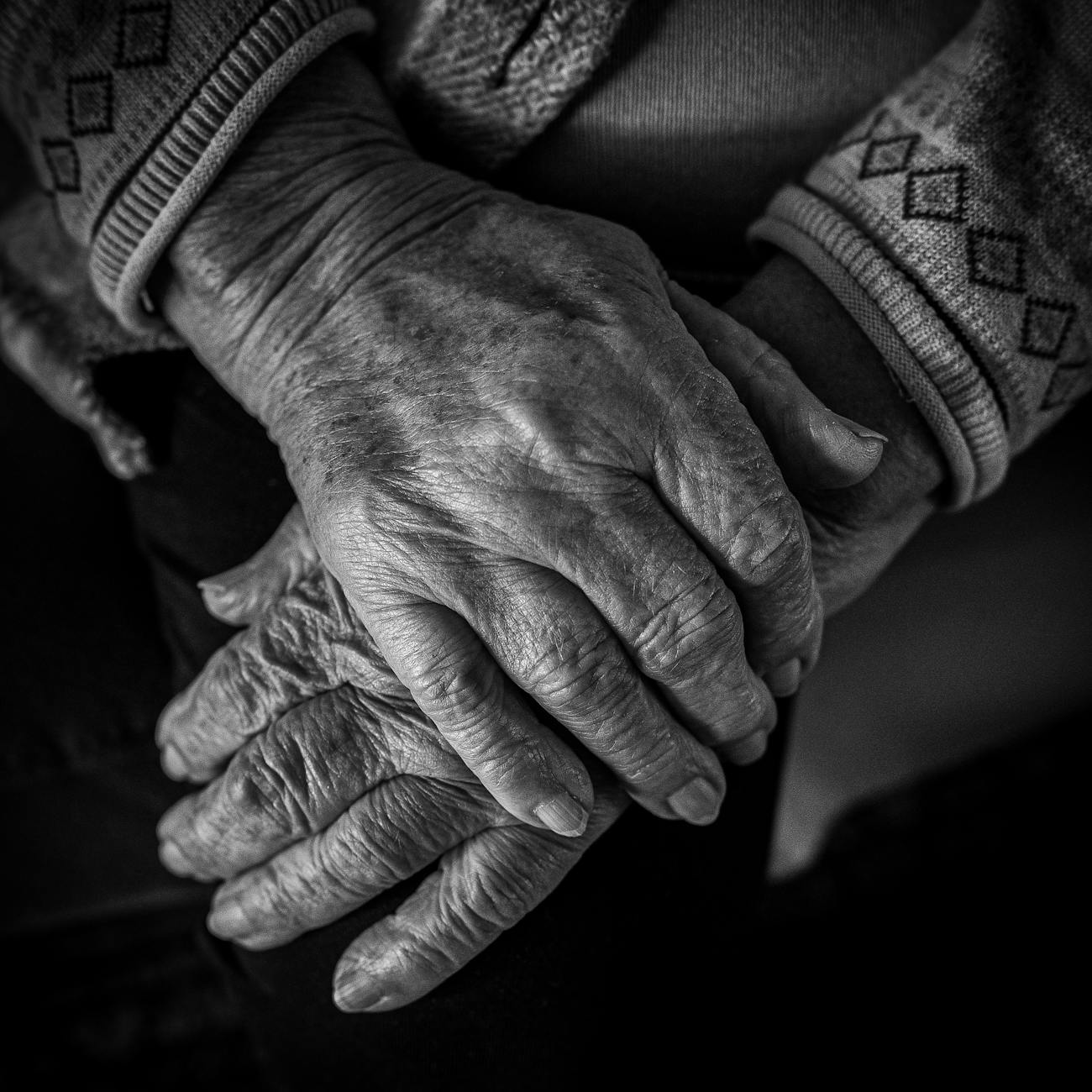
Psychosocial Aspects of Aging is a crucial area of study in the Postgraduate Certificate in Geriatric Rehabilitation. It involves the emotional, mental, and social aspects of aging, and how they impact the overall well-being of older adults. In this explanation, we will cover key terms and vocabulary related to psychosocial aspects of aging.
Activities of Daily Living (ADLs) - These are routine self-care activities that individuals do every day, such as bathing, dressing, grooming, and using the toilet. As people age, they may require assistance with ADLs due to physical or cognitive decline.
Adaptation - The process of adjusting to changes in one's life, such as aging, loss, or transition. Adaptation can involve changes in behavior, attitudes, or coping strategies.
Aging in Place - The ability of older adults to live in their own homes and communities for as long as possible, with appropriate support and services.
Caregiver Burden - The physical, emotional, and financial stress experienced by individuals who provide care for older adults with chronic illnesses or disabilities.
Cognitive Function - The ability to think, reason, and remember. Cognitive function can decline with age, leading to conditions such as dementia or Alzheimer's disease.
Dementia - A decline in cognitive function that affects memory, language, and decision-making abilities. Dementia can be caused by various factors, including Alzheimer's disease, stroke, or injury.
Depression - A mood disorder characterized by feelings of sadness, hopelessness, and loss of interest in activities. Depression is common in older adults, especially those with chronic illnesses or disabilities.
Geriatric Rehabilitation - The process of helping older adults to maintain or regain their physical, cognitive, and emotional functioning, using a multidisciplinary approach.
Grief - The emotional response to loss, such as the death of a loved one. Grief can involve a range of emotions, including sadness, anger, and guilt.
Identity - The sense of self, including one's values, beliefs, and roles. Identity can change with age, as individuals face new challenges and transitions.
Life Review - The process of reflecting on one's life experiences, often as a way of making sense of the past and preparing for the future. Life review can be a helpful tool for older adults, as they confront the realities of aging and mortality.
Loneliness - The feeling of being isolated or disconnected from others. Loneliness can be a significant problem for older adults, especially those who live alone or have limited social networks.
Mental Health - A state of well-being in which individuals can realize their potential, cope with normal stresses of life, and contribute to their communities. Mental health is just as important as physical health in older adults.
Multidisciplinary Team - A group of healthcare professionals from different disciplines who work together to provide comprehensive care for older adults. A multidisciplinary team may include doctors, nurses, social workers, therapists, and other specialists.
Palliative Care - Care focused on relieving the symptoms, pain, and stress of serious illness, rather than curing the illness itself. Palliative care can be provided at any stage of illness, and is particularly important for older adults with chronic or life-limiting conditions.
Person-Centered Care - An approach to care that focuses on the unique needs, preferences, and values of each individual. Person-centered care is especially important in geriatric rehabilitation, where older adults may have complex health needs and preferences.
Quality of Life - A broad concept that encompasses physical, emotional, social, and spiritual well-being. Quality of life is an important outcome in geriatric rehabilitation, as it reflects the overall impact of healthcare interventions on older adults' lives.
Resilience - The ability to bounce back from adversity, trauma, or stress. Resilience is an important factor in successful aging, as it enables older adults to adapt to changing circumstances and maintain their well-being.
Social Support - The network of relationships and resources that provide emotional, practical, and informational support to individuals. Social support is crucial for older adults, as it can help to mitigate the negative effects of aging, illness, and disability.
Social Engagement - The degree to which individuals participate in social activities, such as volunteering, attending community events, or engaging with family and friends. Social engagement is associated with better physical and mental health outcomes in older adults.
Stigma - The negative attitudes and beliefs that society holds towards certain groups or conditions. Stigma can be a significant barrier to accessing healthcare and social support for older adults with mental illness, addiction, or other stigmatized conditions.
Successful Aging - A concept that refers to the ability of older adults to maintain their physical, cognitive, and emotional functioning, as well as their social connections and sense of purpose, as they age. Successful aging is influenced by a range of factors, including genetics, lifestyle, and social support.
Transitions - The changes and adjustments that older adults face as they move through different stages of life, such as retirement, widowhood, or illness. Transitions can be challenging, but also offer opportunities for growth and development.
In conclusion, psychosocial aspects of aging are an essential part of geriatric rehabilitation. By understanding the key terms and vocabulary related to this area, healthcare professionals can better support the emotional, mental, and social needs of older adults. Through a multidisciplinary, person-centered approach, geriatric rehabilitation can help older adults to maintain their quality of life, resilience, and social engagement, and to navigate the transitions and challenges of aging with dignity and grace.
Key takeaways
- Psychosocial Aspects of Aging is a crucial area of study in the Postgraduate Certificate in Geriatric Rehabilitation.
- Activities of Daily Living (ADLs) - These are routine self-care activities that individuals do every day, such as bathing, dressing, grooming, and using the toilet.
- Adaptation - The process of adjusting to changes in one's life, such as aging, loss, or transition.
- Aging in Place - The ability of older adults to live in their own homes and communities for as long as possible, with appropriate support and services.
- Caregiver Burden - The physical, emotional, and financial stress experienced by individuals who provide care for older adults with chronic illnesses or disabilities.
- Cognitive function can decline with age, leading to conditions such as dementia or Alzheimer's disease.
- Dementia - A decline in cognitive function that affects memory, language, and decision-making abilities.