
History of Fashion Archives
Fashion archives are crucial repositories that document the history and evolution of fashion over time. These archives play a vital role in preserving the cultural heritage of fashion, providing researchers, scholars, designers, and student…
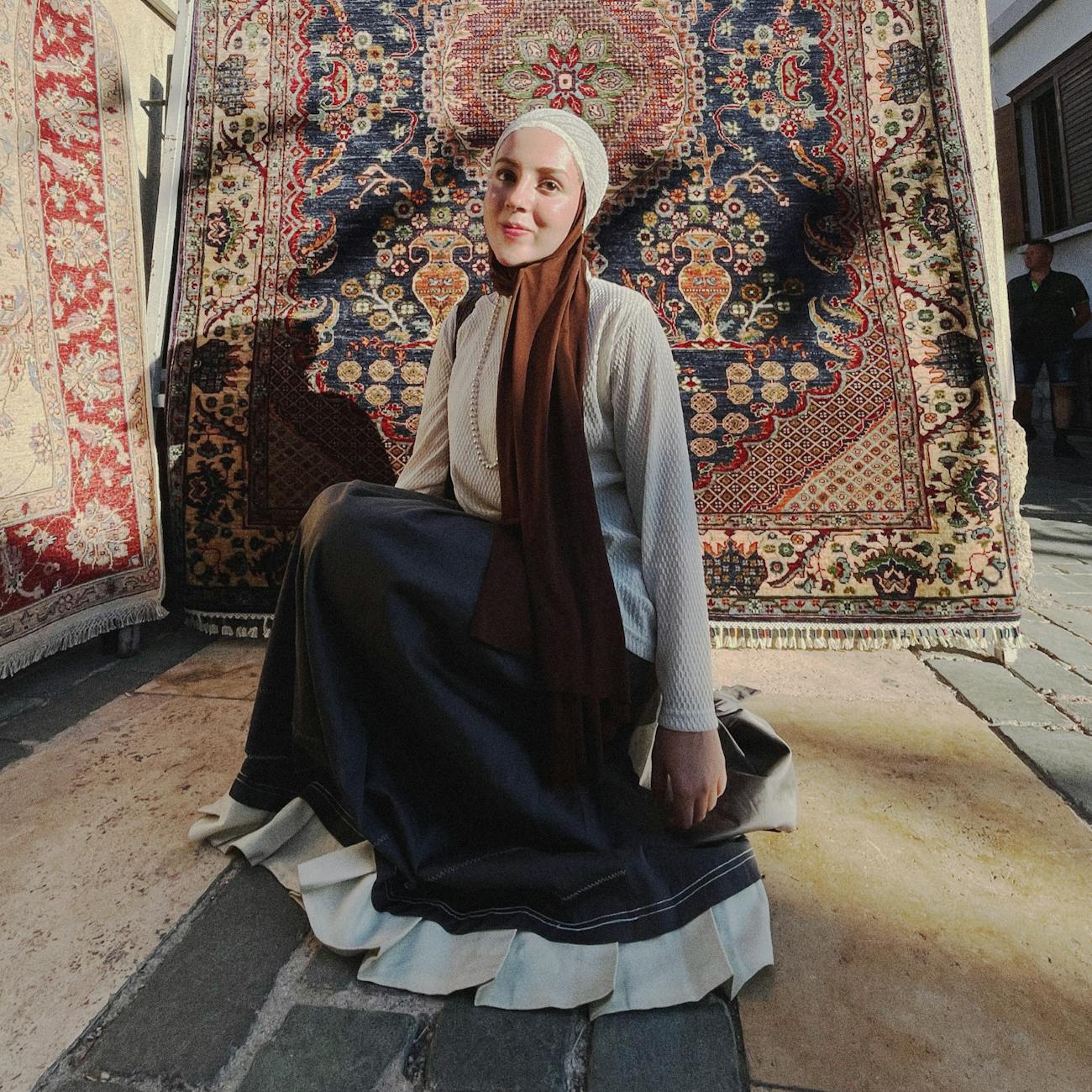
Fashion archives are crucial repositories that document the history and evolution of fashion over time. These archives play a vital role in preserving the cultural heritage of fashion, providing researchers, scholars, designers, and students with valuable insights into the past. In the Postgraduate Certificate in Fashion Archives and Collections Management course, students will explore key terms and vocabulary essential for understanding the history of fashion archives.
**Fashion Archives**: Fashion archives are specialized collections of documents, photographs, garments, accessories, and other materials related to the history of fashion. These archives serve as invaluable resources for studying the development of fashion trends, techniques, designers, and cultural influences.
**Collections Management**: Collections management refers to the professional practices and processes involved in acquiring, documenting, preserving, and providing access to objects within a collection. This includes cataloging items, ensuring proper storage and handling, and creating exhibition displays.
**Historical Garments**: Historical garments are clothing items that date back to a specific period in history. These garments offer insights into fashion trends, construction techniques, materials, and social norms of the time.
**Costume**: Costume refers to clothing and accessories worn in a particular period, context, or for a specific purpose. Costumes can be historical, theatrical, ceremonial, or everyday wear, reflecting the style and culture of a particular era.
**Textile**: Textiles are fabrics or materials made through weaving, knitting, crocheting, or other methods. Textiles play a crucial role in fashion, as they determine the look, feel, and structure of garments.
**Conservation**: Conservation involves the preservation and restoration of objects to prevent deterioration and extend their lifespan. In fashion archives, conservation techniques are used to protect garments and textiles from damage caused by light, humidity, pests, and other factors.
**Authentication**: Authentication is the process of verifying the authenticity and provenance of a garment or accessory. This is essential in fashion archives to ensure that items are genuine and accurately attributed to specific designers or periods.
**Provenance**: Provenance refers to the history of ownership and origin of a garment or object. Understanding the provenance of items in fashion archives helps establish their authenticity and significance.
**Cataloging**: Cataloging is the process of creating detailed records of items in a collection, including descriptions, measurements, photographs, and other relevant information. Cataloging helps organize and manage fashion archives for research and access.
**Exhibition**: An exhibition is a public display of objects, garments, or artworks for educational, cultural, or entertainment purposes. Fashion archives often curate exhibitions to showcase their collections and engage with the public.
**Digitization**: Digitization involves converting physical objects and documents into digital formats for preservation, access, and dissemination. Fashion archives use digitization to create online databases, virtual exhibitions, and digital archives.
**Archival Research**: Archival research involves studying primary source materials in archives to investigate historical events, trends, or individuals. In fashion archives, archival research helps uncover insights into fashion history, design processes, and cultural influences.
**Fashion Historiography**: Fashion historiography is the study of how fashion history is written, interpreted, and understood. It examines the methodologies, theories, and perspectives used in researching and writing about fashion.
**Material Culture**: Material culture refers to the study of objects, artifacts, and material possessions as reflections of culture, society, and history. In fashion archives, material culture analysis helps contextualize garments within broader social and historical contexts.
**Fashion Theory**: Fashion theory explores the cultural, social, economic, and political aspects of fashion as a phenomenon. It examines the meanings, functions, and impacts of fashion on individuals and societies.
**Ethics in Fashion Archives**: Ethics in fashion archives involves ethical considerations related to collection management, research, provenance, and access. It includes issues such as cultural appropriation, representation, privacy, and intellectual property rights.
**Fashion Photography**: Fashion photography is a specialized genre of photography that showcases clothing, accessories, and fashion trends. Fashion archives often include photographs as visual records of garments, designers, and stylistic trends.
**Fashion Illustration**: Fashion illustration is the art of creating visual representations of clothing, accessories, and fashion designs. Illustrations play a crucial role in documenting and interpreting fashion history in archives.
**Fashion Designers**: Fashion designers are individuals who create clothing, accessories, and footwear designs. Studying fashion designers in archives provides insights into their creative processes, influences, and contributions to the fashion industry.
**Couture**: Couture refers to high-end, custom-made fashion that is created by skilled artisans and designers. Couture garments are often one-of-a-kind pieces crafted with exquisite materials and intricate techniques.
**Ready-to-Wear**: Ready-to-wear (RTW) refers to mass-produced, off-the-rack clothing that is designed for the general consumer market. RTW garments are produced in standard sizes and sold in retail stores.
**Haute Couture**: Haute couture is a French term that refers to high fashion or custom-made clothing created by luxury fashion houses. Haute couture garments are made-to-measure for individual clients and adhere to strict quality and design standards.
**Fashion Trends**: Fashion trends are popular styles, colors, silhouettes, or motifs that dominate the fashion industry for a specific period. Fashion archives document trends over time, showcasing how styles evolve and cycle.
**Sustainable Fashion**: Sustainable fashion promotes ethical and environmentally friendly practices in the production, distribution, and consumption of clothing. Fashion archives play a role in promoting sustainable fashion by highlighting eco-friendly materials, ethical production methods, and circular design principles.
**Fashion Exhibitions**: Fashion exhibitions are curated displays of garments, accessories, and fashion-related objects that explore specific themes, designers, or periods. These exhibitions provide opportunities for learning, inspiration, and engagement with fashion history.
**Fashion Publications**: Fashion publications include books, magazines, journals, and digital platforms that cover topics related to fashion history, design, trends, and culture. These publications are valuable resources for researchers, students, and fashion enthusiasts.
**Fashion Week**: Fashion Week is a series of events held in major fashion capitals where designers showcase their latest collections to buyers, press, and industry professionals. Fashion Week events influence trends, styles, and consumer preferences in the fashion industry.
**Fashion Museums**: Fashion museums are institutions that collect, preserve, and exhibit clothing, accessories, and fashion-related objects. These museums play a crucial role in educating the public about fashion history, design, and cultural significance.
**Fashion Archives Management**: Fashion archives management involves overseeing the acquisition, preservation, cataloging, and access of fashion collections. Archivists and collections managers in fashion archives ensure the proper care and utilization of historical garments and materials.
**Fashion Retail**: Fashion retail refers to the buying, selling, and merchandising of clothing, accessories, and footwear to consumers. Understanding fashion retail practices is essential for contextualizing fashion trends, consumer behavior, and industry dynamics.
**Fashion Industry**: The fashion industry encompasses all aspects of clothing design, production, marketing, and retail. It is a global sector that influences culture, economy, and society through its creative and commercial activities.
**Fashion Branding**: Fashion branding involves creating a distinct identity, image, and reputation for a fashion label or designer. Branding strategies help differentiate products, attract customers, and build brand loyalty in the competitive fashion market.
**Fashion Marketing**: Fashion marketing refers to the strategies and tactics used to promote and sell fashion products to consumers. It includes advertising, public relations, digital marketing, and retail merchandising techniques tailored to the fashion industry.
**Fashion Technology**: Fashion technology integrates innovative technologies such as 3D printing, virtual reality, artificial intelligence, and wearable tech into the design, production, and retail of fashion products. These technologies revolutionize the fashion industry by enhancing creativity, efficiency, and sustainability.
**Fashion Sustainability**: Fashion sustainability focuses on reducing the environmental impact of the fashion industry through eco-friendly materials, ethical production practices, and circular economy principles. Sustainable fashion initiatives aim to create a more responsible and transparent fashion ecosystem.
**Fashion Archives Challenges**: Fashion archives face challenges such as funding constraints, limited resources, conservation issues, digitization complexities, and ethical dilemmas. Overcoming these challenges requires collaboration, innovation, and strategic planning to ensure the preservation and accessibility of fashion heritage.
**Fashion Archives Opportunities**: Fashion archives offer opportunities for research, education, creativity, and community engagement. They serve as hubs for interdisciplinary collaborations, cultural exchange, and knowledge sharing in the field of fashion history and preservation.
By mastering the key terms and vocabulary related to fashion archives in the Postgraduate Certificate in Fashion Archives and Collections Management course, students will develop a comprehensive understanding of the history, significance, and practices of fashion archiving. This knowledge will equip them with the skills and expertise needed to navigate the dynamic and evolving world of fashion archives and contribute to the preservation and promotion of fashion heritage for future generations.
Key takeaways
- In the Postgraduate Certificate in Fashion Archives and Collections Management course, students will explore key terms and vocabulary essential for understanding the history of fashion archives.
- **Fashion Archives**: Fashion archives are specialized collections of documents, photographs, garments, accessories, and other materials related to the history of fashion.
- **Collections Management**: Collections management refers to the professional practices and processes involved in acquiring, documenting, preserving, and providing access to objects within a collection.
- These garments offer insights into fashion trends, construction techniques, materials, and social norms of the time.
- Costumes can be historical, theatrical, ceremonial, or everyday wear, reflecting the style and culture of a particular era.
- **Textile**: Textiles are fabrics or materials made through weaving, knitting, crocheting, or other methods.
- In fashion archives, conservation techniques are used to protect garments and textiles from damage caused by light, humidity, pests, and other factors.