
Cat Anatomy and Physiology
Cat Anatomy and Physiology Key Terms and Vocabulary
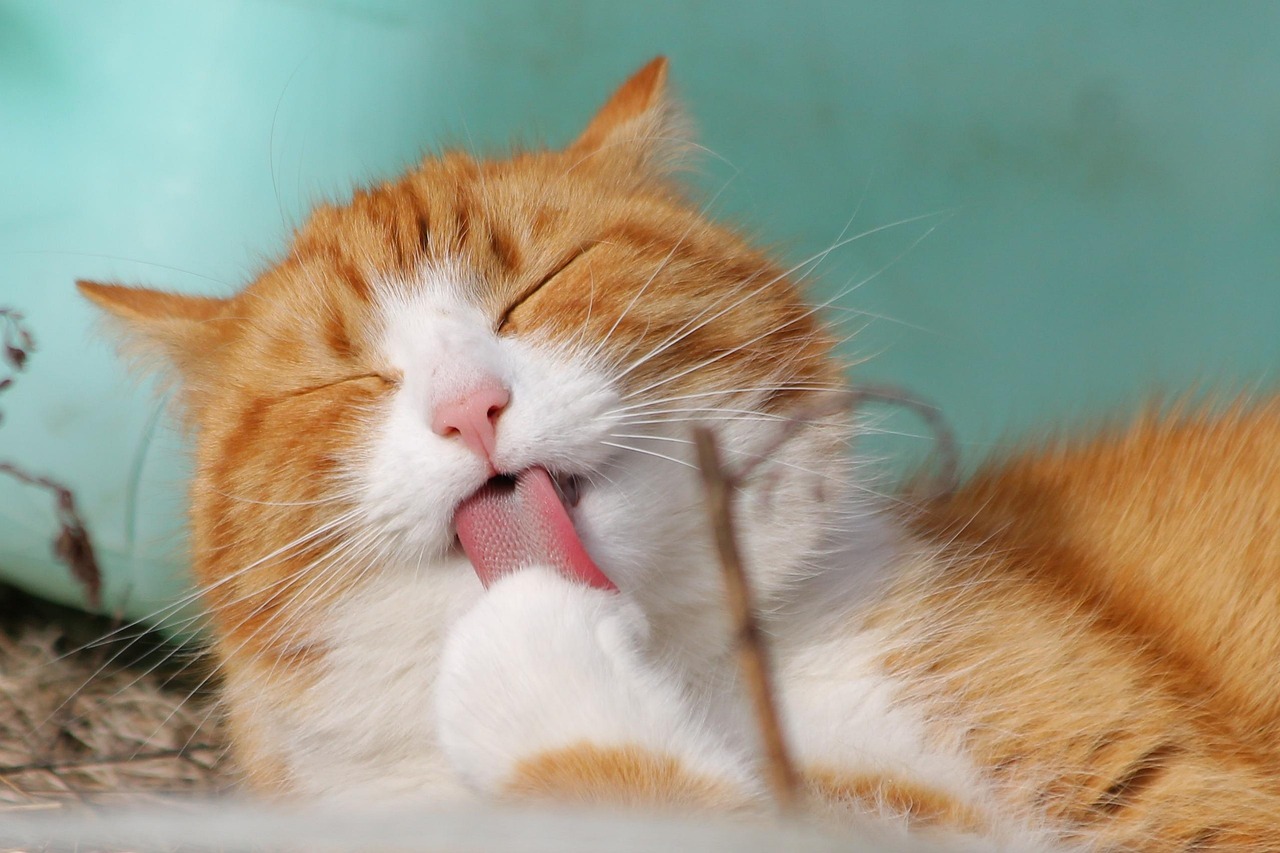
Cat Anatomy and Physiology Key Terms and Vocabulary
Understanding the anatomy and physiology of cats is essential for pet groomers to provide proper care and grooming services. Here are key terms and vocabulary that will help you navigate the intricacies of cat anatomy and physiology in the Certificate Programme in Pet Grooming for Cats:
Anatomy:
1. Skeletal System: The framework of bones that provides structure and support to the cat's body. It includes the skull, ribs, vertebrae, and limbs.
2. Muscular System: The muscles that allow cats to move and perform various actions. Muscles are attached to bones via tendons and work together to create movement.
3. Respiratory System: The organs involved in breathing, including the lungs, trachea, and diaphragm. Cats have a highly efficient respiratory system to support their active lifestyle.
4. Cardiovascular System: The heart and blood vessels that circulate blood throughout the body. It is essential for delivering oxygen and nutrients to tissues and removing waste products.
5. Digestive System: The organs responsible for breaking down food and absorbing nutrients. It includes the mouth, esophagus, stomach, intestines, and liver.
6. Urinary System: The organs that produce and eliminate urine, including the kidneys, ureters, bladder, and urethra. The urinary system helps maintain proper hydration and eliminate waste products.
7. Reproductive System: The organs involved in reproduction, including the ovaries, uterus, and testes. Understanding the reproductive system is crucial for breeding and managing cat populations.
8. Nervous System: The network of nerves and cells that transmit signals throughout the body. It controls movement, sensation, and behavior in cats.
9. Endocrine System: The glands that produce hormones to regulate various bodily functions. Hormones play a crucial role in growth, metabolism, and reproduction.
10. Integumentary System: The skin, fur, and claws that protect the cat's body from external threats. Groomers often work with the integumentary system to maintain healthy skin and coat.
Physiology:
1. Homeostasis: The body's ability to maintain a stable internal environment despite external changes. Cats rely on homeostasis to regulate temperature, pH, and other vital functions.
2. Metabolism: The chemical processes that convert food into energy and essential nutrients. Cats have a high metabolic rate due to their carnivorous diet.
3. Circulation: The movement of blood through the body to deliver oxygen and nutrients to tissues. Proper circulation is essential for overall health and vitality.
4. Respiration: The process of breathing to exchange oxygen and carbon dioxide in the lungs. Cats have a unique respiratory system that allows for efficient gas exchange.
5. Digestion: The breakdown of food into smaller molecules for absorption and utilization by the body. Cats have specific dietary requirements due to their carnivorous nature.
6. Excretion: The elimination of waste products from the body, primarily through urine and feces. Groomers should be aware of signs of urinary or digestive issues in cats.
7. Neurotransmission: The transmission of signals between nerve cells to control movement, sensation, and behavior. Understanding neurotransmission is essential for handling and grooming cats.
8. Hormonal Regulation: The control of bodily functions by hormones produced by the endocrine glands. Hormones play a significant role in growth, reproduction, and stress responses.
9. Immune Response: The body's defense mechanism against pathogens and foreign invaders. Cats have a robust immune system that helps them fight off infections.
10. Thermoregulation: The ability to regulate body temperature to maintain optimal function. Cats have a higher body temperature than humans and rely on grooming to control heat loss.
Common Cat Anatomy and Physiology Challenges:
1. Obesity: Overfeeding and lack of exercise can lead to obesity in cats, which can strain the cardiovascular system and joints.
2. Dental Disease: Poor dental hygiene can result in dental disease, affecting the cat's ability to eat and causing pain.
3. Urinary Tract Infections: Cats are prone to urinary tract infections due to their physiology, which can be painful and require medical intervention.
4. Diabetes: Insulin regulation issues can lead to diabetes in cats, requiring dietary management and possibly insulin injections.
5. Hyperthyroidism: Overactive thyroid glands can cause hyperthyroidism in cats, leading to weight loss and increased appetite.
6. Arthritis: Joint inflammation and degeneration can occur in older cats, affecting mobility and comfort.
7. Respiratory Infections: Cats can suffer from respiratory infections like feline calicivirus, which can be contagious and require veterinary treatment.
8. Parasites: External parasites like fleas and internal parasites like worms can affect a cat's overall health and wellbeing.
9. Skin Conditions: Cats can develop skin conditions like dermatitis or allergies, requiring specialized grooming products and care.
10. Reproductive Issues: Female cats may experience complications during pregnancy and birth, while male cats may develop reproductive disorders like cryptorchidism.
By familiarizing yourself with these key terms and concepts related to cat anatomy and physiology, you will be better equipped to provide quality grooming services and care for feline clients. Continuously updating your knowledge and staying informed about common challenges will help you address issues effectively and ensure the health and wellbeing of the cats in your care.
The respiratory system of a cat consists of the lungs, trachea, bronchi, and bronchioles. The primary function of the respiratory system is to take in oxygen and expel carbon dioxide. The lungs are the main organs of respiration, where oxygen is absorbed into the bloodstream and carbon dioxide is released. The trachea is the windpipe that connects the throat to the lungs, allowing air to pass through. The bronchi are the two main branches of the trachea that lead to the lungs, while the bronchioles are smaller branches within the lungs that further divide into tiny air sacs called alveoli.
The cardiovascular system of a cat consists of the heart, blood vessels, and blood. The primary function of the cardiovascular system is to transport oxygen, nutrients, and hormones throughout the body. The heart is a muscular organ that pumps blood through the blood vessels to all parts of the body. The blood vessels include arteries, veins, and capillaries. Arteries carry oxygen-rich blood away from the heart, while veins carry oxygen-poor blood back to the heart. Capillaries are tiny blood vessels where the exchange of oxygen and nutrients occurs between the blood and the body's tissues.
The digestive system of a cat consists of the mouth, esophagus, stomach, small intestine, large intestine, and anus. The primary function of the digestive system is to break down food into nutrients that can be absorbed into the bloodstream. The mouth is where digestion begins, as food is chewed and mixed with saliva. The esophagus is a tube that carries food from the mouth to the stomach. The stomach is a muscular organ that secretes digestive enzymes and acids to further break down food. The small intestine is where most of the nutrients are absorbed into the bloodstream, while the large intestine absorbs water and excretes waste through the anus.
The urinary system of a cat consists of the kidneys, ureters, bladder, and urethra. The primary function of the urinary system is to remove waste products from the blood and regulate fluid balance in the body. The kidneys are bean-shaped organs that filter waste from the blood to produce urine. The ureters are tubes that carry urine from the kidneys to the bladder. The bladder is a muscular sac that stores urine until it is expelled through the urethra.
The reproductive system of a cat consists of the ovaries, uterus, and vagina in females, and the testes and penis in males. The primary function of the reproductive system is to produce offspring. Female cats have two ovaries that produce eggs, which travel through the fallopian tubes to the uterus, where they may be fertilized by sperm. If fertilization occurs, the fertilized egg implants in the uterus and develops into a kitten. Male cats have two testes that produce sperm, which are carried through the vas deferens to the penis for mating.
Overall, understanding the anatomy and physiology of cats is crucial for pet groomers to provide proper care and grooming services. By knowing how a cat's body functions and the different systems that make it work, groomers can better assess the health of the cat, detect any abnormalities, and provide appropriate grooming techniques. Additionally, knowledge of cat anatomy and physiology helps groomers communicate effectively with veterinarians and pet owners about any concerns or issues they may observe during grooming sessions.
Challenges in learning about cat anatomy and physiology may include the complexity of the different systems and structures within a cat's body. Groomers may also face difficulties in recognizing signs of illness or injury in cats, as they may not always exhibit obvious symptoms. However, with proper training and education, groomers can develop the skills and knowledge needed to navigate these challenges and provide the best possible care for their feline clients.
In conclusion, a thorough understanding of cat anatomy and physiology is essential for pet groomers to excel in their profession. By familiarizing themselves with the respiratory, cardiovascular, digestive, urinary, and reproductive systems of cats, groomers can provide optimal grooming services and contribute to the overall health and well-being of their feline clients. Continuous learning and practice are key to mastering cat anatomy and physiology, and groomers should strive to stay informed about the latest developments in feline health and grooming practices to ensure the best possible care for cats in their care.
Key takeaways
- Understanding the anatomy and physiology of cats is essential for pet groomers to provide proper care and grooming services.
- Skeletal System: The framework of bones that provides structure and support to the cat's body.
- Muscular System: The muscles that allow cats to move and perform various actions.
- Respiratory System: The organs involved in breathing, including the lungs, trachea, and diaphragm.
- Cardiovascular System: The heart and blood vessels that circulate blood throughout the body.
- Digestive System: The organs responsible for breaking down food and absorbing nutrients.
- Urinary System: The organs that produce and eliminate urine, including the kidneys, ureters, bladder, and urethra.