
Fermentation Fundamentals
Expert-defined terms from the Advanced Certificate in Science of Leavening Agents course at London School of International Business. Free to read, free to share, paired with a professional course.
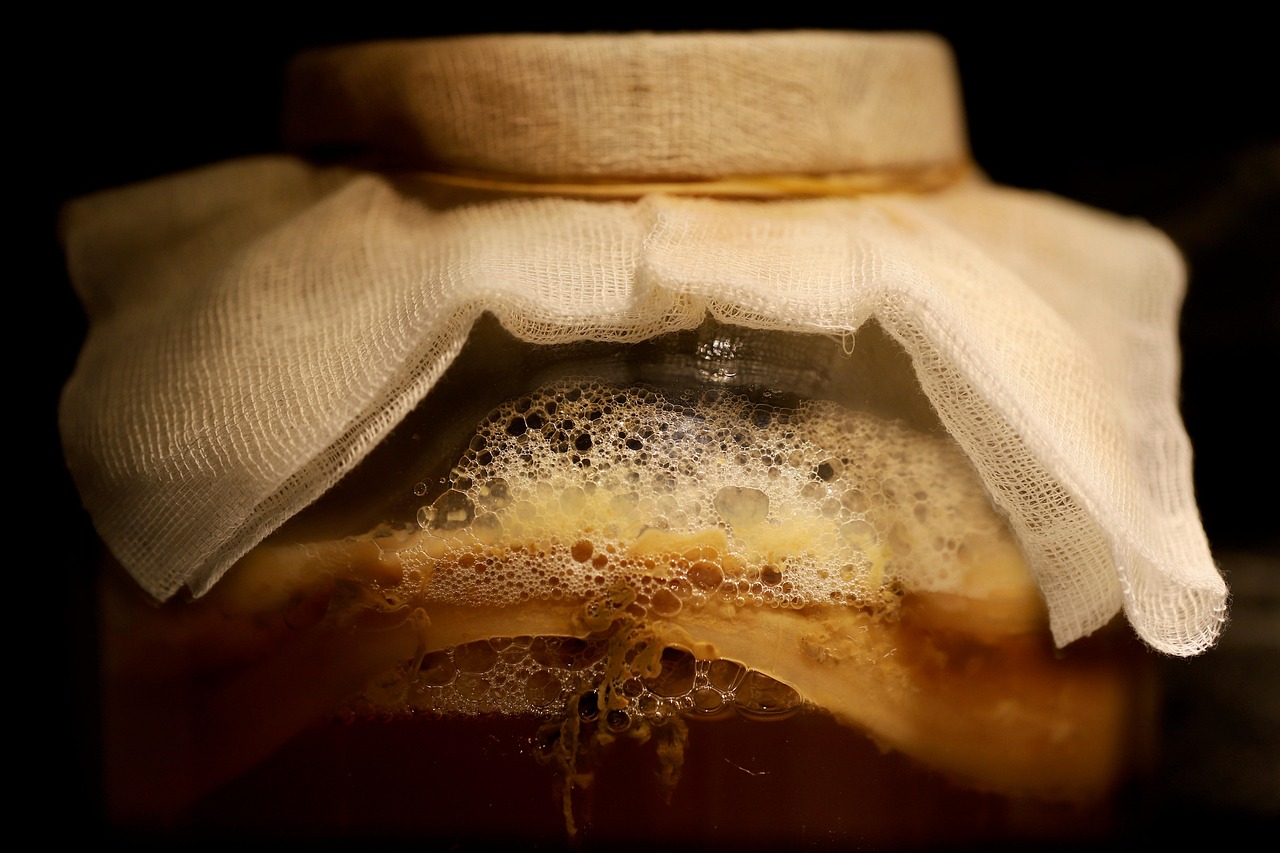
Acetic Acid, a compound produced during fermentation processes, pl… #
Acetic Acid, a compound produced during fermentation processes, plays a crucial role in the production of various food items, such as vinegar, pickles, and sauerkraut, with its production involving the action of microorganisms like bacteria and yeast on sugars and starches, resulting in the conversion of these substrates into acetic acid, which is characterized by its distinctive sour taste and smell, and is used as a preservative and flavoring agent in the food industry, with its concentration and production levels being carefully controlled to achieve the desired taste and texture in the final product.
Acid Tolerance, the ability of microorganisms to survive and thrive</i… #
Acid Tolerance, the ability of microorganisms to survive and thrive in acidic environments, is a critical factor in fermentation processes, as it enables the production of acidic compounds, such as lactic acid and acetic acid, which are essential for the production of various food items, such as yogurt, cheese, and sauerkraut, with microorganisms like Lactobacillus and Bifidobacterium being well-known for their acid tolerance and ability to produce these compounds, and are widely used in the food industry for this purpose.
Active Dry Yeast, a type of yeast that is commonly used in baking … #
Active Dry Yeast, a type of yeast that is commonly used in baking and brewing applications, is characterized by its high activity level and ability to ferment sugars quickly and efficiently, resulting in the production of carbon dioxide gas and the development of the desired texture and flavor in the final product, with its advantages including ease of use, high stability, and long shelf life, making it a popular choice among bakers and brewers.
Aeration, the process of introducing oxygen into a fermentation sy… #
Aeration, the process of introducing oxygen into a fermentation system, is essential for the growth and metabolism of microorganisms, such as yeast and bacteria, which require oxygen to respire and produce the desired compounds, such as ethanol and carbon dioxide, with aeration being achieved through various methods, including agitation, bubbling, and sparging, and its level and rate being carefully controlled to optimize fermentation performance and prevent inhibition or inhibition of microbial growth.
Alcohol Tolerance, the ability of microorganisms to survive and thrive… #
Alcohol Tolerance, the ability of microorganisms to survive and thrive in environments with high alcohol concentrations, is a critical factor in fermentation processes, as it enables the production of alcoholic beverages, such as beer and wine, with microorganisms like Saccharomyces and Zygosaccharomyces being well-known for their alcohol tolerance and ability to produce these compounds, and are widely used in the food industry for this purpose.
Amylase, an enzyme that breaks down starches into simpler sugars,… #
Amylase, an enzyme that breaks down starches into simpler sugars, such as maltose and glucose, is essential for the production of various food items, such as bread, beer, and whiskey, with its action being critical for the hydrolysis of starches and the production of the desired compounds, and its activity level and specificity being carefully controlled to achieve the desired outcome.
Anaerobic Fermentation, a type of fermentation process that occurs in the… #
Anaerobic Fermentation, a type of fermentation process that occurs in the absence of oxygen, is characterized by the production of compounds, such as lactic acid and ethanol, through the action of microorganisms, such as bacteria and yeast, which are able to metabolize sugars and starches in the absence of oxygen, resulting in the production of the desired compounds and the development of the desired texture and flavor in the final product.
Antimicrobial Agents, compounds that inhibit or kill microorganism… #
Antimicrobial Agents, compounds that inhibit or kill microorganisms, are commonly used in the food industry to preserve food items and prevent spoilage, with their mode of action involving the disruption of microbial cell membranes, inhibition of enzyme activity, or interference with microbial metabolism, and their efficacy and safety being carefully evaluated to ensure their effective use in food preservation.
Ascorbic Acid, a compound that is commonly used as a preservative … #
Ascorbic Acid, a compound that is commonly used as a preservative and antioxidant in the food industry, is essential for the prevention of oxidation and spoilage of food items, such as fruits, vegetables, and meats, with its mode of action involving the scavenging of free radicals and the inhibition of enzymatic reactions that lead to spoilage, and its concentration and activity level being carefully controlled to achieve the desired outcome.
Autolysis, the process of self #
digestion of microorganisms, such as yeast, is characterized by the breakdown of cellular components, such as proteins and nucleic acids, resulting in the release of compounds that contribute to the development of the desired flavor and texture in the final product, with autolysis being an important aspect of fermentation processes, particularly in the production of alcoholic beverages, such as beer and wine.
Baker's Yeast, a type of yeast that is commonly used in baking app… #
Baker's Yeast, a type of yeast that is commonly used in baking applications, is characterized by its high activity level and ability to ferment sugars quickly and efficiently, resulting in the production of carbon dioxide gas and the development of the desired texture and flavor in the final product, with its advantages including ease of use, high stability, and long shelf life, making it a popular choice among bakers.
Biodiversity, the variety of microorganisms present in a fermentation<… #
Biodiversity, the variety of microorganisms present in a fermentation system, is essential for the production of complex flavors and textures in the final product, with different microorganisms contributing unique characteristics and compounds to the fermentation process, and their interactions and relationships being carefully managed to achieve the desired outcome.
Bioreactor, a vessel or system used to cultivate microorganisms,… #
Bioreactor, a vessel or system used to cultivate microorganisms, such as bacteria and yeast, is designed to provide a controlled environment for fermentation processes, with its design and operation being carefully optimized to achieve the desired outcome, including the production of specific compounds, such as antibiotics and enzymes, and the development of the desired texture and flavor in the final product.
Buffering Capacity, the ability of a system to resist changes in pH</i… #
Buffering Capacity, the ability of a system to resist changes in pH levels, is essential for maintaining the stability and activity of microorganisms during fermentation processes, with buffering agents, such as phosphates and citrates, being used to maintain a stable pH level and prevent inhibition of microbial growth.
Carbonation, the process of introducing carbon dioxide into a liquid</… #
Carbonation, the process of introducing carbon dioxide into a liquid or gas phase, is used to create the desired effervescence and texture in beverages, such as beer and soda, with carbonation being achieved through various methods, including sparging and bottling, and its level and rate being carefully controlled to optimize the final product.
Cell Membrane, the outermost layer of a microbial cell , plays a cr… #
Cell Membrane, the outermost layer of a microbial cell, plays a critical role in maintaining cellular integrity and regulating the movement of compounds in and out of the cell, with its structure and function being essential for microbial metabolism and survival, and its permeability and selectivity being carefully managed to achieve the desired outcome.
Cellular Respiration, the process by which microorganisms, such as bacteria and… #
Cellular Respiration, the process by which microorganisms, such as bacteria and yeast, generate energy from the breakdown of sugars and starches, is essential for fermentation processes, with its mode of action involving the conversion of substrates into energy-rich compounds, such as ATP, and the production of byproducts, such as carbon dioxide and ethanol.
Citric Acid, a compound produced during fermentation processes, pl… #
Citric Acid, a compound produced during fermentation processes, plays a crucial role in the production of various food items, such as cheese, yogurt, and sauerkraut, with its production involving the action of microorganisms, such as bacteria and yeast, on sugars and starches, resulting in the conversion of these substrates into citric acid, which is characterized by its distinctive sour taste and smell, and is used as a preservative and flavoring agent in the food industry.
Contamination, the introduction of unwanted microorganisms into a ferm… #
Contamination, the introduction of unwanted microorganisms into a fermentation system, can have serious consequences, including the production of off-flavors and toxins, and the inhibition of microbial growth, with contamination being prevented through the use of sterilization and sanitation procedures, and the careful management of equipment and personnel.
Crystallization, the process of forming crystals from a liquid or… #
Crystallization, the process of forming crystals from a liquid or gas phase, is used to create the desired texture and appearance in food items, such as sugar and salt, with crystallization being achieved through various methods, including cooling and evaporation, and its rate and yield being carefully controlled to optimize the final product.
Denaturation, the process of disrupting the native structure of a protein… #
Denaturation, the process of disrupting the native structure of a protein or enzyme, can have significant consequences, including the inhibition of enzyme activity and the loss of protein function, with denaturation being prevented through the careful management of temperature, pH, and ionic strength, and the use of stabilizers and protectants.
Dextrins, a type of carbohydrate produced during fermentation proc… #
Dextrins, a type of carbohydrate produced during fermentation processes, plays a crucial role in the production of various food items, such as bread, beer, and whiskey, with its production involving the action of enzymes, such as amylase, on starches and sugars, resulting in the conversion of these substrates into dextrins, which are characterized by their distinctive texture and flavor, and are used as a thickening and stabilizing agent in the food industry.
Diffusion, the process of molecules moving from an area of high co… #
Diffusion, the process of molecules moving from an area of high concentration to an area of low concentration, is essential for the movement of compounds in and out of microbial cells, with its rate and extent being carefully managed to achieve the desired outcome, including the production of specific compounds, such as enzymes and hormones, and the development of the desired texture and flavor in the final product.
Dry Hopping, a process used to add flavor and aroma to beer… #
Dry Hopping, a process used to add flavor and aroma to beer, involves the addition of hops to the fermentation tank, resulting in the extraction of compounds from the hops and the development of the desired flavor and aroma in the final product, with dry hopping being a critical aspect of beer production, particularly in the production of IPA and pale ale styles.
Emulsification, the process of mixing two or more liquids that are… #
Emulsification, the process of mixing two or more liquids that are immiscible, is used to create the desired texture and appearance in food items, such as mayonnaise and salad dressing, with emulsification being achieved through the use of emulsifiers, such as lecithin and Tween, and the careful management of temperature and shear rate.
Enzyme Inhibition, the process of inhibiting enzyme activity, can have si… #
Enzyme Inhibition, the process of inhibiting enzyme activity, can have significant consequences, including the reduction of metabolic rate and the loss of cellular function, with enzyme inhibition being achieved through various methods, including the use of inhibitors, such as sulfites and bisulfites, and the careful management of temperature, pH, and ionic strength.
Ethanol, a compound produced during fermentation processes, plays… #
Ethanol, a compound produced during fermentation processes, plays a crucial role in the production of various food items, such as beer, wine, and spirits, with its production involving the action of microorganisms, such as yeast and bacteria, on sugars and starches, resulting in the conversion of these substrates into ethanol, which is characterized by its distinctive flavor and aroma, and is used as a preservative and flavoring agent in the food industry.
Extraction, the process of removing compounds from a matrix … #
Extraction, the process of removing compounds from a matrix, is used to create the desired concentration and composition of compounds in food items, such as tea and coffee, with extraction being achieved through various methods, including steeping and percolation, and its rate and yield being carefully controlled to optimize the final product.
Fermentation Kinetics, the study of the rates and mechanisms of <i… #
Fermentation Kinetics, the study of the rates and mechanisms of fermentation processes, is essential for understanding the production of various food items, such as bread, beer, and yogurt, with fermentation kinetics involving the study of the growth and metabolism of microorganisms, and the production of compounds, such as ethanol and carbon dioxide.
Filtration, the process of separating particles from a liquid</… #
Filtration, the process of separating particles from a liquid or gas phase, is used to create the desired clarity and appearance in food items, such as beer and wine, with filtration being achieved through various methods, including centrifugation and microfiltration, and its rate and efficiency being carefully controlled to optimize the final product.
Flocculation, the process of aggregating particles into larger … #
Flocculation, the process of aggregating particles into larger clumps, is used to create the desired texture and appearance in food items, such as beer and wine, with flocculation being achieved through various methods, including the use of flocculants, such as gelatin and isinglass, and the careful management of pH and ionic strength.
Foam Formation, the process of creating foam in food items, such as beer… #
Foam Formation, the process of creating foam in food items, such as beer and soda, is used to create the desired texture and appearance, with foam formation being achieved through various methods, including the use of foaming agents, such as surfactants and proteins, and the careful management of temperature and pressure.
Gelation, the process of forming a gel from a liquid or gas … #
Gelation, the process of forming a gel from a liquid or gas phase, is used to create the desired texture and appearance in food items, such as jelly and pudding, with gelation being achieved through various methods, including the use of gelling agents, such as agar and carrageenan, and the careful management of temperature and pH.
Gluconeogenesis, the process of generating glucose from non #
carbohydrate sources, such as amino acids and lactate, is essential for the production of various food items, such as bread and beer, with gluconeogenesis involving the action of enzymes, such as glucose-6-phosphatase, and the careful management of energy and reducing equivalents.
Glycolysis, the process of breaking down glucose to produce energy … #
Glycolysis, the process of breaking down glucose to produce energy and compounds, such as pyruvate and ethanol, is essential for the production of various food items, such as bread and beer, with glycolysis involving the action of enzymes, such as hexokinase and phosphofructokinase, and the careful management of energy and reducing equivalents.
Heterolactic Fermentation, a type of fermentation process that involves t… #
Heterolactic Fermentation, a type of fermentation process that involves the production of lactic acid and other compounds, such as ethanol and carbon dioxide, is used to produce various food items, such as sauerkraut and kimchi, with heterolactic fermentation being characterized by the action of microorganisms, such as Leuconostoc and Lactobacillus, and the careful management of pH and temperature.
Homolactic Fermentation, a type of fermentation process that involves the… #
Homolactic Fermentation, a type of fermentation process that involves the production of lactic acid, is used to produce various food items, such as yogurt and cheese, with homolactic fermentation being characterized by the action of microorganisms, such as Lactobacillus and Streptococcus, and the careful management of pH and temperature.
Hydrolysis, the process of breaking down compounds into simpler molecu… #
Hydrolysis, the process of breaking down compounds into simpler molecules, is essential for the production of various food items, such as bread and beer, with hydrolysis involving the action of enzymes, such as amylase and protease, and the careful management of water and temperature.
Immobilization, the process of attaching microorganisms or enzymes to a <… #
Immobilization, the process of attaching microorganisms or enzymes to a support material, is used to create the desired stability and activity in food items, such as beer and wine, with immobilization being achieved through various methods, including the use of immobilization agents, such as alginate and carrageenan, and the careful management of pH and temperature.
Inoculation, the process of adding microorganisms to a fermentation</i… #
Inoculation, the process of adding microorganisms to a fermentation system, is used to create the desired microbial population and activity in food items, such as yogurt and cheese, with inoculation being achieved through various methods, including the use of inoculation devices, such as inoculation loops and pipettes, and the careful management of temperature and sterility.
Ionic Strength, the measure of the concentration of ions in a solution… #
Ionic Strength, the measure of the concentration of ions in a solution, is essential for the production of various food items, such as bread and beer, with ionic strength involving the action of ions, such as sodium and chloride, and the careful management of pH and temperature.
Koji, a type of fungus used in fermentation processes, is essentia… #
Koji, a type of fungus used in fermentation processes, is essential for the production of various food items, such as soy sauce and sake, with koji being characterized by its ability to break down proteins and carbohydrates into simpler compounds, and its activity level and specificity being carefully controlled to achieve the desired outcome.
Lactic Acid, a compound produced during fermentation processes, pl… #
Lactic Acid, a compound produced during fermentation processes, plays a crucial role in the production of various food items, such as yogurt, cheese, and sauerkraut, with its production involving the action of microorganisms, such as Lactobacillus and Bifidobacterium, and the careful management of pH and temperature.
Lactose, a type of sugar found in milk , is essential for the produ… #
Lactose, a type of sugar found in milk, is essential for the production of various food items, such as yogurt and cheese, with lactose being broken down into simpler compounds, such as glucose and galactose, by the action of enzymes, such as lactase, and the careful management of pH and temperature.
Malolactic Fermentation, a type of fermentation process that involves the… #
Malolactic Fermentation, a type of fermentation process that involves the conversion of malic acid to lactic acid, is used to produce various food items, such as wine and beer, with malolactic fermentation being characterized by the action of microorganisms, such as Leuconostoc and Oenococcus, and the careful management of pH and temperature.
Metabolism, the process of converting energy and compounds into ot… #
Metabolism, the process of converting energy and compounds into other forms, is essential for the production of various food items, such as bread and beer, with metabolism involving the action of enzymes, such as amylase and glucose-6-phosphatase, and the careful management of energy and reducing equivalents.
Microbial Growth, the process of increasing the population of micr… #
Microbial Growth, the process of increasing the population of microorganisms, is essential for the production of various food items, such as yogurt and cheese, with microbial growth involving the action of microorganisms, such as Lactobacillus and Streptococcus, and the careful management of temperature, pH, and nutrients.
Microfiltration, the process of separating particles from a liq… #
Microfiltration, the process of separating particles from a liquid or gas phase, is used to create the desired clarity and appearance in food items, such as beer and wine, with microfiltration being achieved through various methods, including the use of membranes and filters, and the careful management of pressure and flow rate.
Nitrogen Fixation, the process of converting atmospheric nitrogen … #
Nitrogen Fixation, the process of converting atmospheric nitrogen into a usable form, is essential for the production of various food items, such as bread and beer, with nitrogen fixation involving the action of microorganisms, such as Rhizobia and Azotobacter, and the careful management of energy and reducing equivalents.
Oxidation, the process of losing electrons, is essential for the producti… #
Oxidation, the process of losing electrons, is essential for the production of various food items, such as bread and beer, with oxidation involving the action of enzymes, such as glucose oxidase, and the careful management of oxygen and temperature.
Pasteurization, the process of heating a liquid or gas phas… #
Pasteurization, the process of heating a liquid or gas phase to kill microorganisms, is used to create the desired safety and stability in food items, such as milk and juice, with pasteurization being achieved through various methods, including the use of heat exchangers and autoclaves, and the careful management of temperature and time.
PH, the measure of the acidity or basicity of a solution , i… #
PH, the measure of the acidity or basicity of a solution, is essential for the production of various food items, such as bread and beer, with pH involving the action of ions, such as hydrogen and hydroxide, and the careful management of acids and bases.
Polymerization, the process of forming large molecules from smalle… #
Polymerization, the process of forming large molecules from smaller monomers, is essential for the production of various food items, such as bread and beer, with polymerization involving the action of enzymes, such as amylase and glucose-6-phosphatase, and the careful management of energy and reducing equivalents.
Probiotics, microorganisms that are beneficial to human health , ar… #
Probiotics, microorganisms that are beneficial to human health, are essential for the production of various food items, such as yogurt and cheese, with probiotics being characterized by their ability to survive and thrive in the human gut, and their activity level and specificity being carefully controlled to achieve the desired outcome.
Redox Potential, the measure of the ability of a solution to lo… #
Redox Potential, the measure of the ability of a solution to lose or gain electrons, is essential for the production of various food items, such as bread and beer, with redox potential involving the action of ions, such as oxygen and hydrogen, and the careful management of acids and bases.
Saccharification, the process of breaking down sugars into simpler… #
Saccharification, the process of breaking down sugars into simpler compounds, is essential for the production of various food items, such as bread and beer, with saccharification involving the action of enzymes, such as amylase and glucose-6-phosphatase, and the careful management of energy and reducing equivalents.
Sanitization, the process of reducing the population of microorgan… #
Sanitization, the process of reducing the population of microorganisms, is used to create the desired safety and stability in food items, such as milk and juice, with sanitization being achieved through various methods, including the use of heat, chemicals, and radiation, and the careful management of temperature, time, and concentration.
Sterilization, the process of killing all microorganisms, is used to crea… #
Sterilization, the process of killing all microorganisms, is used to create the desired safety and stability in food items, such as milk and juice, with sterilization being achieved through various methods, including the use of heat, chemicals, and radiation, and the careful management of temperature, time, and concentration.
Sugar Fermentation, the process of converting sugars into energy a… #
Sugar Fermentation, the process of converting sugars into energy and compounds, such as ethanol and carbon dioxide, is essential for the production of various food items, such as bread and beer, with sugar fermentation involving the action of microorganisms, such as Saccharomyces and Zygosaccharomyces, and the careful management of energy and reducing equivalents.
Thermization, the process of heating a liquid or gas phase… #
Thermization, the process of heating a liquid or gas phase to kill microorganisms, is used to create the desired safety and stability in food items, such as milk and juice, with thermization being achieved through various methods, including the use of heat exchangers and autoclaves, and the careful management of temperature and time.
Ultrafiltration, the process of separating particles from a liq… #
Ultrafiltration, the process of separating particles from a liquid or gas phase, is used to create the desired clarity and appearance in food items, such as beer and wine, with ultrafiltration being achieved through various methods, including the use of membranes and filters, and the careful management of pressure and flow rate.
Viscosity, the measure of the resistance of a fluid to flow … #
Viscosity, the measure of the resistance of a fluid to flow, is essential for the production of various food items, such as bread and beer, with viscosity involving the action of molecules, such as starches and proteins, and the careful management of temperature and concentration.
Water Activity, the measure of the availability of water in a s… #
Water Activity, the measure of the availability of water in a system, is essential for the production of various food items, such as bread and beer, with water activity involving the action of water molecules, and the careful management of temperature and humidity.
Yeast, a type of microorganism used in fermentation processes, is… #
Yeast, a type of microorganism used in fermentation processes, is essential for the production of various food items, such as bread and beer, with yeast being characterized by its ability to ferment sugars and produce compounds, such as ethanol and carbon dioxide, and its activity level and specificity being carefully controlled to achieve the desired outcome.
Zymology, the study of fermentation processes, is essential for the produ… #
Zymology, the study of fermentation processes, is essential for the production of various food items, such as bread and beer, with zymology involving the study of the biochemistry and microbiology of fermentation, and the careful management of temperature, pH, and nutrients to achieve the desired outcome.