
Universal Design in Public Spaces
Expert-defined terms from the Executive Certificate in Universal Design course at London School of International Business. Free to read, free to share, paired with a globally recognised certification pathway.
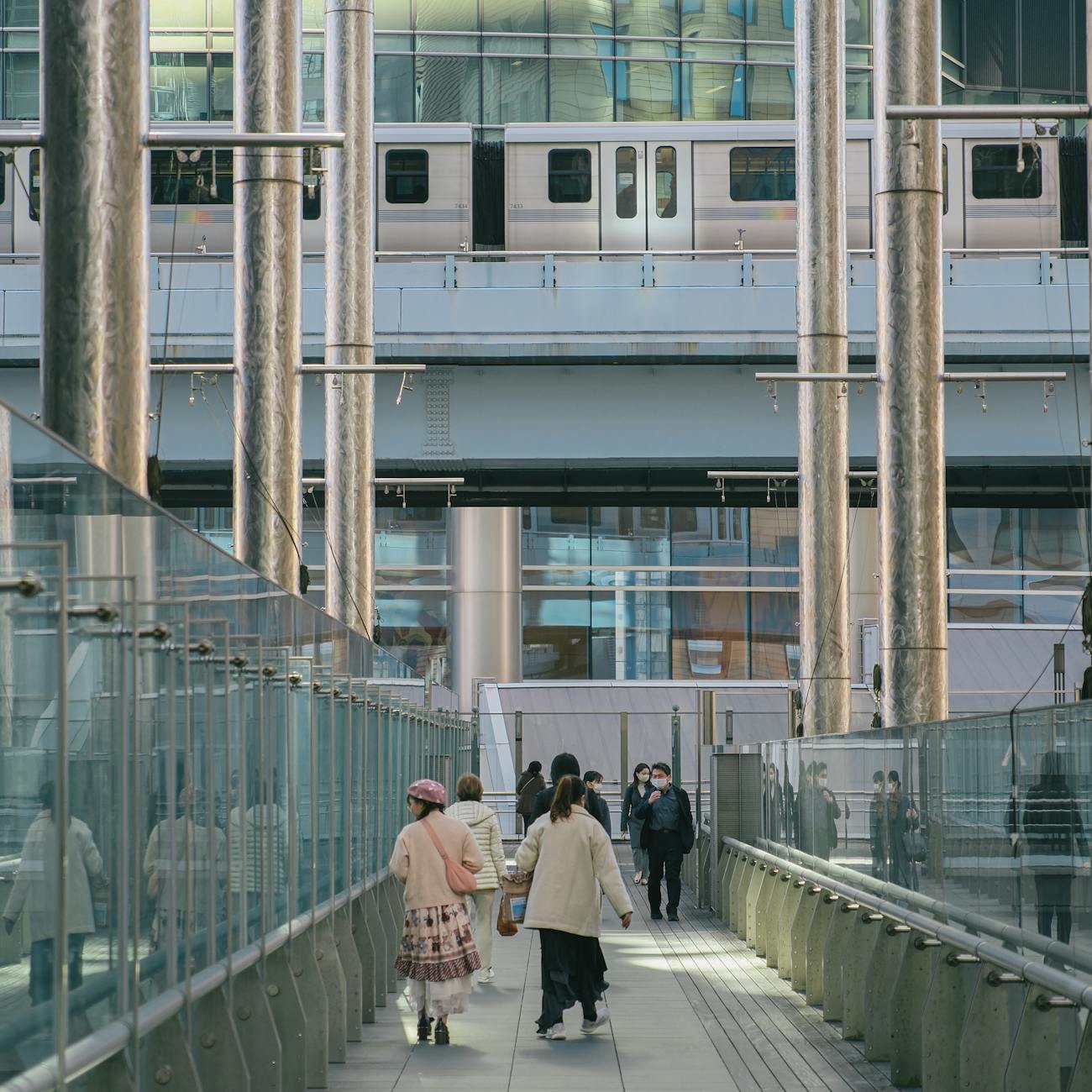
Universal Design in Public Spaces #
Universal Design in Public Spaces refers to the concept of designing and creating environments that are accessible and usable by all people, regardless of age, abilities, or disabilities. This design approach aims to ensure that public spaces are inclusive and welcoming to everyone, including individuals with mobility impairments, sensory disabilities, cognitive challenges, and other diverse needs.
Universal Design in Public Spaces is about creating environments that can be use… #
It goes beyond compliance with accessibility standards and regulations to prioritize the needs and experiences of all individuals.
Examples #
1 #
Installing ramps and curb cuts to provide wheelchair access to buildings and public spaces.
2 #
Using tactile paving to guide individuals with visual impairments through outdoor areas.
3 #
Providing adjustable height counters and tables in public facilities to accommodate individuals of different heights and abilities.
Practical Applications #
1 #
Designing parks and playgrounds with equipment that can be used by children of all abilities.
2 #
Incorporating wayfinding systems with clear signage and symbols to assist individuals with cognitive impairments.
3 #
Ensuring that public transportation stations have accessible entrances, platforms, and seating areas for passengers with mobility challenges.
Challenges #
1 #
Balancing the need for universal design with budget constraints and limited resources.
2 #
Educating designers, architects, and planners about the principles and benefits of universal design.
3 #
Addressing the diverse needs and preferences of different user groups in the design process.