
Joint Operations
Expert-defined terms from the Certificate in Military Strategy course at London School of International Business. Free to read, free to share, paired with a globally recognised certification pathway.
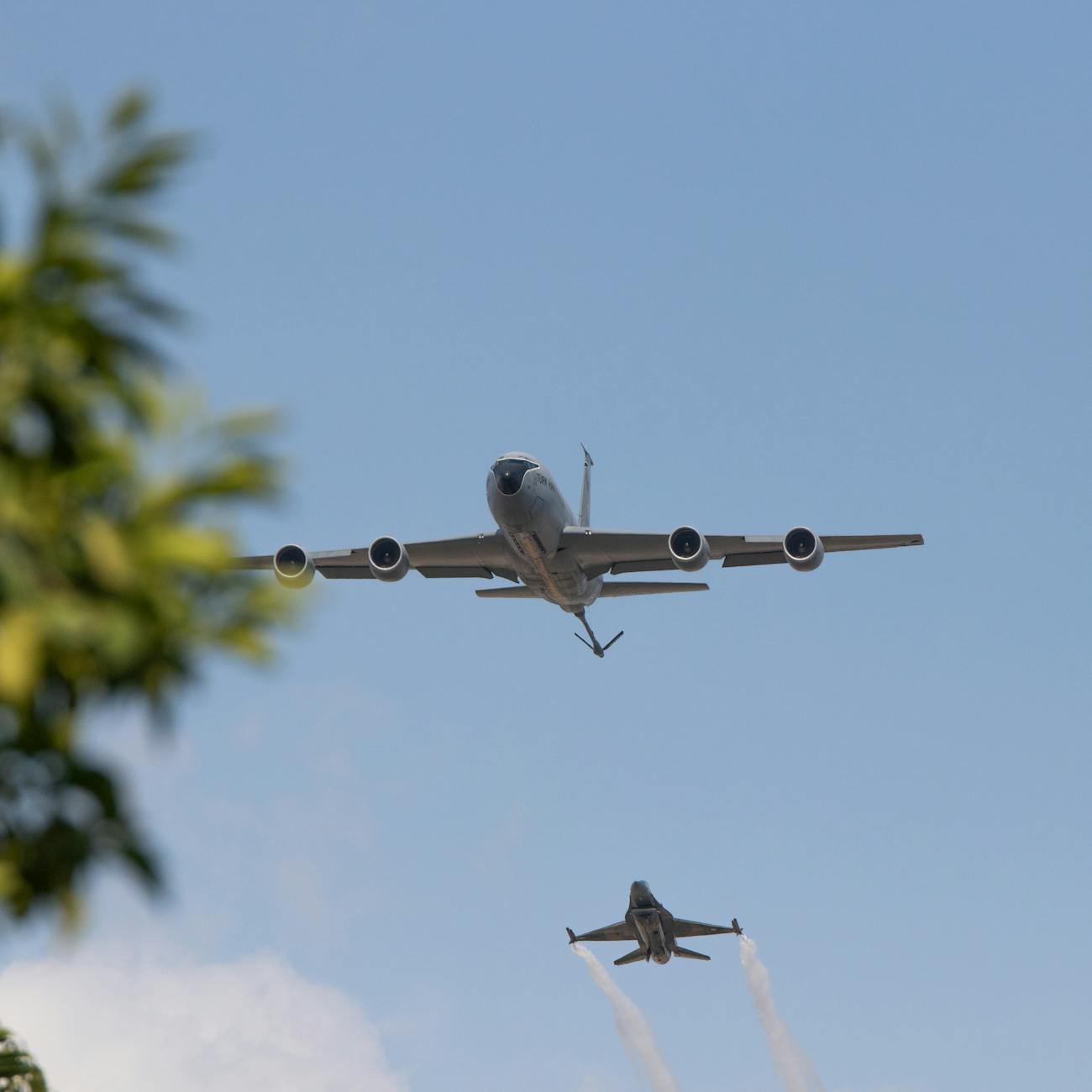
Allied Forces #
In the context of military strategy, allied forces refer to military forces that have formed a temporary alliance to achieve a common objective. These forces may come from different nations or military branches and combine their capabilities to increase their chances of success.
Amphibious Operations #
Amphibious operations refer to military operations that involve the deployment of ground forces from sea to land. These operations require careful planning and coordination between naval and ground forces, as well as specialized equipment such as amphibious vehicles and landing craft.
Asymmetric Warfare #
Asymmetric warfare refers to a type of warfare where one side has a significant advantage over the other in terms of military capabilities, resources, or technology. The weaker side seeks to exploit the strengths of the stronger side while avoiding its weaknesses, often using unconventional tactics such as guerrilla warfare, terrorism, or cyber attacks.
Battlefield Management #
Battlefield management refers to the process of planning, coordinating, and controlling military operations on the battlefield. It involves the integration of various military capabilities, such as artillery, air support, and infantry, to achieve a common objective.
Battle of Attrition #
The battle of attrition refers to a type of military strategy where both sides seek to wear down the other's resources and willpower through prolonged conflict. This strategy is often used when one side has a superior military capability and seeks to grind down the other side's forces over time.
Blitzkrieg #
Blitzkrieg, or "lightning war," is a military strategy that involves rapid, decisive attacks using combined arms, such as infantry, armor, and air power. The goal of blitzkrieg is to quickly overwhelm the enemy's defenses and seize key objectives, often before the enemy has time to react.
Center of Gravity #
In military strategy, the center of gravity refers to the source of an enemy's power and stability. Identifying and targeting an enemy's center of gravity is a key aspect of military planning, as it can lead to the enemy's collapse or defeat.
Combined Arms #
Combined arms refer to the integration of different military capabilities, such as infantry, artillery, armor, and air power, in a single military operation. The goal of combined arms is to create a synergistic effect that enhances the overall effectiveness of the military force.
Communications and Intelligence #
Communications and intelligence refer to the collection, analysis, and dissemination of information and intelligence during military operations. Effective communications and intelligence are critical for the success of military operations, as they enable commanders to make informed decisions and coordinate their forces effectively.
Counterinsurgency #
Counterinsurgency refers to military operations that are designed to combat insurgencies, or rebellions against established governments or military occupations. Counterinsurgency operations often involve a combination of military, political, economic, and social measures to address the root causes of the insurgency and restore stability.
Decapitation Strike #
A decapitation strike is a military operation that targets the leadership or command and control capabilities of an enemy force. The goal of a decapitation strike is to disrupt the enemy's ability to command and control its forces, thereby reducing its effectiveness and increasing the likelihood of success for friendly forces.
Defense in Depth #
Defense in depth is a military strategy that involves the deployment of forces in a series of defensive positions, often in a layered or overlapping fashion. The goal of defense in depth is to slow down or halt an enemy's advance, while buying time for friendly forces to mount a counterattack or retreat to a more favorable position.
Demoralization #
Demoralization refers to the process of reducing an enemy's will to fight, often through psychological or information warfare tactics. Demoralization can be achieved through a variety of means, such as spreading propaganda, sowing discord within enemy ranks, or undermining the enemy's confidence in its leadership.
Encirclement #
Encirclement is a military tactic that involves surrounding an enemy force, cutting off its supply lines, and preventing it from retreating or reinforcing its position. Encirclement can be achieved through a variety of means, such as ground or air operations, and is often used to force the enemy to surrender or withdraw.
Flexibility #
Flexibility is a key principle of military strategy, referring to the ability to adapt to changing circumstances on the battlefield. Flexibility requires commanders to be able to quickly assess the situation, make decisions, and adjust their plans as needed to achieve their objectives.
Force Multiplier #
A force multiplier is a capability or technology that enhances the effectiveness of a military force, allowing it to achieve a greater impact than would otherwise be possible with the same number of troops or resources. Examples of force multipliers include air power, artillery, communications and intelligence systems, and specialized equipment.
Fourth Generation Warfare #
Fourth generation warfare is a type of warfare that involves non-state actors, such as insurgents or terrorists, using unconventional tactics and methods to achieve their objectives. Fourth generation warfare often involves a combination of military, political, economic, and social measures, and is characterized by a lack of clear boundaries between combatants and non-combatants.
Forward Edge of the Battle Area #
The forward edge of the battle area (FEBA) refers to the forwardmost position of friendly forces on the battlefield. The FEBA is a key reference point for military planning and operations, as it defines the area of operations and the boundaries between friendly and enemy forces.
Global Positioning System #
The Global Positioning System (GPS) is a satellite-based navigation system that provides precise location and time information to military and civilian users around the world. GPS is a critical tool for military operations, as it enables commanders to accurately locate and track their forces, as well as target enemy positions.
Grand Strategy #
Grand strategy refers to the overarching plan or approach that guides a nation's military and foreign policy objectives. Grand strategy involves the integration of military, political, economic, and social measures to achieve national security and interests, and often requires coordination and cooperation between different branches of government.
Guerrilla Warfare #
Guerrilla warfare is a type of unconventional warfare that involves small, mobile groups of combatants using hit-and-run tactics to harass and disrupt enemy forces. Guerrilla warfare often relies on the support and cooperation of the local population, and is characterized by a lack of clear boundaries between combatants and non-combatants.
Initial Operational Capability #
Initial operational capability (IOC) refers to the point at which a military force or system is ready for operational use, but may not yet be at full capability. IOC is often used as a milestone in the development and deployment of new military capabilities, and is typically followed by further testing and evaluation to achieve full operational capability (FOC).
Joint Operations #
Joint operations refer to military operations that involve the integration and coordination of forces from different military branches, such as the Army, Navy, Air Force, and Marines. Joint operations are often used to achieve strategic objectives that require a combination of military capabilities, and require careful planning and coordination to ensure the effective use of resources.
Line of Communication #
The line of communication (LOC) refers to the routes and infrastructure used to supply and support military forces in the field. The LOC is a critical component of military operations, as it enables the movement of personnel, equipment, and supplies to and from the battlefield.
Logistics #
Logistics refers to the planning, coordination, and management of the resources and supplies needed to support military operations. Logistics involves the procurement, storage, transportation, and distribution of everything from food and water to ammunition and fuel, and is critical for ensuring the success of military operations.
Maneuver Warfare #
Maneuver warfare is a military strategy that emphasizes the rapid and flexible movement of forces to achieve surprise and disrupt the enemy's plans. Maneuver warfare often involves the use of combined arms and the exploitation of weaknesses in the enemy's defenses, and requires commanders to be able to quickly assess and respond to changing circumstances on the battlefield.
Massed Firepower #
Massed firepower is a military tactic that involves the concentrated use of artillery, air power, or other fire support to overwhelm and destroy enemy forces. Massed firepower can be used to achieve a variety of objectives, such as breaking through enemy lines, disrupting enemy movements, or destroying enemy capabilities.
Military Dec #
Military Dec