
Tea Processing Methods
Expert-defined terms from the Advanced Skill Certificate in Tea Blending course at London School of International Business. Free to read, free to share, paired with a professional course.
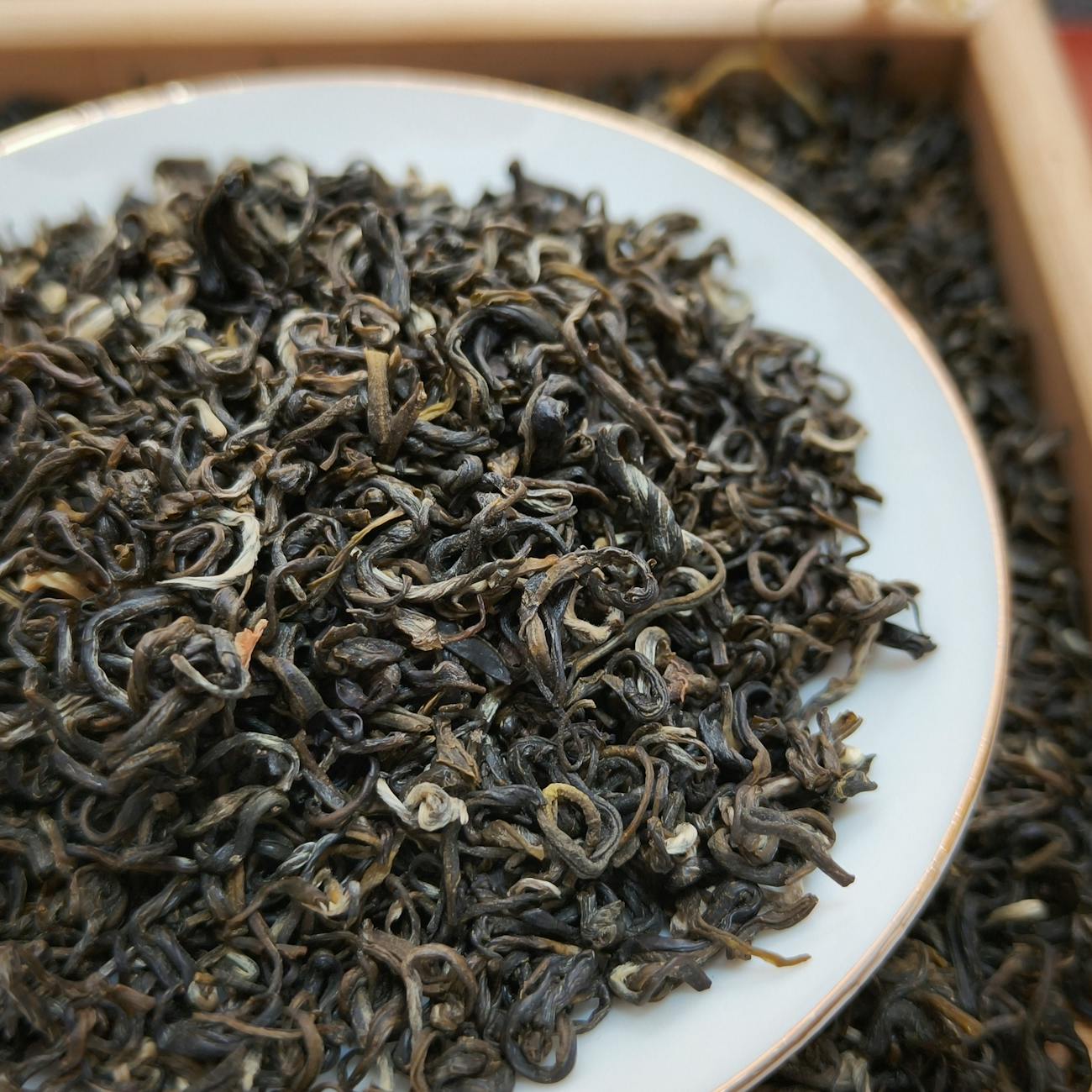
Tea Processing Methods #
Tea Processing Methods
Tea processing methods refer to the various steps involved in transforming fresh… #
These methods play a crucial role in determining the flavor, aroma, color, and overall quality of the tea. There are several traditional and modern techniques used in tea processing, each with its unique characteristics and impact on the final product.
Withering #
Withering
Withering is the first step in tea processing, where freshly harvested tea leave… #
This process helps reduce the moisture content of the leaves, making them more pliable for subsequent processing steps. Withering can be done naturally by spreading the leaves out in the sun or artificially in a controlled environment. The duration of withering varies depending on the type of tea being produced.
Rolling #
Rolling
Rolling is the process of shaping and bruising the withered leaves to release th… #
The rolling process can be done by hand or using rolling machines, which help to break down the cell walls of the leaves and release the juices inside. This step is crucial for developing the desired flavor profile of the tea.
Oxidation/Fermentation #
Oxidation/Fermentation
Oxidation, also known as fermentation, is a critical step in the processing of b… #
During this stage, the bruised tea leaves are exposed to oxygen, which triggers a series of chemical reactions that change the color and flavor of the tea. The level of oxidation determines the type of tea produced, with black tea being fully oxidized and oolong tea partially oxidized.
Firing/Fixing #
Firing/Fixing
Firing, also known as fixing, is the process of halting the oxidation of the tea… #
This step is crucial for preserving the flavor, aroma, and color of the tea. Firing can be done using traditional methods such as pan-firing or modern techniques like oven-drying. The temperature and duration of firing vary depending on the type of tea being produced.
Drying #
Drying
Drying is the final step in tea processing, where the tea leaves are dried to re… #
Drying can be done using various methods, including sun-drying, air-drying, or machine-drying. Proper drying is essential for ensuring the shelf life and quality of the tea.
Green Tea #
Green Tea
Green tea is a type of tea that undergoes minimal oxidation during processing, r… #
The leaves are typically withered, rolled, and dried without undergoing oxidation, preserving their natural green color and delicate taste. Green tea is known for its health benefits and high antioxidant content.
Black Tea #
Black Tea
Black tea is a fully oxidized tea that undergoes withering, rolling, oxidation,… #
The oxidation gives black tea its characteristic dark color, bold flavor, and robust aroma. Black tea is the most common type of tea consumed worldwide and is often used in blends such as English Breakfast and Earl Grey.
Oolong Tea #
Oolong Tea
Oolong tea is a partially oxidized tea that falls between green tea and black te… #
Oolong tea undergoes withering, rolling, partial oxidation, and firing during processing, resulting in a complex flavor profile that can range from floral and fruity to toasty and nutty. Oolong tea is popular in Chinese and Taiwanese tea culture.
White Tea #
White Tea
White tea is a minimally processed tea made from young tea buds and leaves that… #
White tea undergoes minimal oxidation, which preserves its delicate flavor, light color, and subtle aroma. White tea is prized for its high levels of antioxidants and is considered one of the most premium types of tea.
Yellow Tea #
Yellow Tea
Yellow tea is a rare and highly prized tea that undergoes a unique processing me… #
" The leaves are withered, steamed, and wrapped in cloth to allow them to slowly oxidize and turn yellow. Yellow tea has a smooth and mellow flavor with a slightly sweet aftertaste. This tea is mostly produced in China.
Pu #
erh Tea
Pu #
erh tea is a fermented tea that undergoes post-oxidation and aging to develop its complex flavor profile. The leaves are withered, rolled, oxidized, and fired before being aged for several years or even decades. Pu-erh tea can be compressed into cakes or bricks for aging, which enhances its flavor and aroma over time.
Matcha #
Matcha
Matcha is a type of powdered green tea that is made by grinding specially grown… #
Matcha is known for its vibrant green color, rich flavor, and high concentration of antioxidants. It is traditionally used in Japanese tea ceremonies and has gained popularity worldwide in beverages and desserts.
Sencha #
Sencha
Sencha is a popular Japanese green tea that is made from steamed tea leaves and… #
Sencha has a fresh and grassy flavor with a slightly astringent finish. It is one of the most commonly consumed teas in Japan and is known for its health benefits and refreshing taste.
Darjeeling Tea #
Darjeeling Tea
Assam Tea #
Assam Tea
Assam tea is a bold and robust black tea grown in the Assam region of India, kno… #
Assam tea undergoes full oxidation during processing, resulting in a dark liquor that is commonly used in breakfast blends and chai teas. It is enjoyed with milk and sugar for a comforting cup of tea.
Ceylon Tea #
Ceylon Tea
Ceylon tea, also known as Sri Lankan tea, is a black tea grown in Sri Lanka that… #
Ceylon tea is known for its bright and brisk character with citrusy notes. It is used in blends such as Earl Grey and is enjoyed both hot and iced.
Chai #
Chai
Chai is a spiced tea beverage made by brewing black tea with a blend of aromatic… #
Chai can be made with milk and sweetened with sugar or honey for a rich and flavorful drink. Chai is popular in Indian and South Asian cultures and is enjoyed for its warming properties.
Blooming Tea #
Blooming Tea
Blooming tea, also known as flowering tea, is a type of artisan tea that is hand #
tied into a bundle of dried tea leaves and edible flowers. When steeped in hot water, the tea leaves unfurl and bloom into a beautiful display, creating a visual and aromatic experience. Blooming tea is often served in glass teapots to showcase its beauty.
Loose Leaf Tea #
Loose Leaf Tea
Loose leaf tea refers to whole or partially broken tea leaves that are not enclo… #
Loose leaf tea allows for better infusion and flavor extraction compared to tea bags, as the leaves have more room to unfurl and release their flavors. Loose leaf tea is often considered of higher quality and is preferred by tea enthusiasts.
Tea Bag #
Tea Bag
A tea bag is a small, porous bag containing tea leaves or herbs that is steeped… #
Tea bags are convenient for single servings and are available in a variety of shapes and sizes. While traditional tea bags contain finely ground tea dust, there are also pyramid-shaped tea bags that hold whole leaf tea for better flavor.
Infusion #
Infusion
Infusion refers to the process of steeping tea leaves in hot water to extract th… #
The length of infusion time varies depending on the type of tea and desired strength. Oversteeping can result in a bitter or astringent taste, while understeeping may produce a weak or bland brew. Proper infusion is essential for achieving the perfect cup of tea.
Tisane #
Tisane
Tisane, also known as herbal tea, is a caffeine #
free infusion made from dried herbs, fruits, flowers, or spices steeped in hot water. Tisanes are popular for their health benefits and soothing properties, as they can aid digestion, promote relaxation, or boost immunity. Common types of tisanes include chamomile, peppermint, and rooibos.
Cupping #
Cupping
Cupping is the process of evaluating the quality and characteristics of tea by t… #
Tea tasters use a standardized method of brewing tea and assessing its appearance, aroma, flavor, and mouthfeel to determine its quality. Cupping helps tea producers and buyers make informed decisions about blending and purchasing tea.
Tea Blending #
Tea Blending
Tea blending is the art of combining different types of tea, herbs, spices, or f… #
Tea blenders use their expertise to balance the taste, aroma, and appearance of the final product. Blending allows for customization and innovation in the tea industry, producing signature blends that cater to diverse preferences.
Single Origin Tea #
Single Origin Tea
Single origin tea refers to tea that is sourced from a specific region or estate… #
Single origin teas showcase the unique terroir, climate, and processing methods of a particular region, resulting in distinctive flavors and characteristics. These teas are prized for their authenticity and quality.
Fair Trade Tea #
Fair Trade Tea
Fair trade tea is sourced from producers who adhere to fair labor practices, sus… #
Fair trade certification ensures that tea farmers receive fair wages, work in safe conditions, and protect the environment. By choosing fair trade tea, consumers support social responsibility and environmental stewardship in the tea industry.
Organic Tea #
Organic Tea
Organic tea is grown without the use of synthetic pesticides, fertilizers, or ch… #
Organic certification guarantees that the tea is free from harmful residues and genetically modified organisms. Organic tea is preferred by health-conscious consumers who seek pure and natural products.
Tea Ceremony #
Tea Ceremony
A tea ceremony is a traditional ritual of preparing and serving tea that embodie… #
Tea ceremonies have cultural significance in countries such as Japan (chanoyu), China (chayi), and Korea (darye). Participants follow a prescribed set of movements and gestures to appreciate the beauty of tea and foster a sense of mindfulness.
Tea Sommelier #
Tea Sommelier
A tea sommelier is a trained professional who specializes in tea tasting, pairin… #
Tea sommeliers have expertise in tea varieties, processing methods, brewing techniques, and flavor profiles, allowing them to guide consumers in selecting and enjoying tea. They may work in restaurants, hotels, tea shops, or offer private tastings.
Tea Tourism #
Tea Tourism
Tea tourism is a travel trend that involves visiting tea #
growing regions, plantations, factories, and tea houses to learn about tea production and culture. Tea tourists have the opportunity to participate in tea picking, processing, and tasting experiences, gaining firsthand knowledge of the tea industry. Tea tourism promotes sustainable tourism and supports local tea communities.
Tea Infuser #
Tea Infuser
A tea infuser, also known as a tea ball or tea strainer, is a device used to hol… #
Tea infusers come in various shapes and materials, such as stainless steel, silicone, or mesh, and are placed in a teacup or teapot to steep the tea. Infusers make it convenient to brew loose leaf tea without the need for a tea bag.
Kettle #
Kettle
A kettle is a vessel used for boiling water to brew tea, typically made of stain… #
Electric kettles are popular for their convenience and quick heating capabilities, while stovetop kettles are appreciated for their traditional design and aesthetics. A kettle with temperature control is ideal for brewing different types of tea at the right temperature.
Teapot #
Teapot
A teapot is a vessel used for brewing and serving tea, available in various shap… #
Teapots with built-in infusers or strainers are convenient for brewing loose leaf tea, while traditional teapots without infusers allow for a more controlled steeping process. Teapots are essential for preparing multiple servings of tea.
Tea Tray #
Tea Tray
A tea tray, also known as a tea table or tea boat, is a flat surface used for pr… #
Tea trays are typically made of wood, bamboo, or plastic and come in various sizes and designs. A tea tray may have drainage channels or a removable water reservoir to catch spills and excess water.
Tea Ceremony Utensils #
Tea Ceremony Utensils
Tea ceremony utensils are tools and accessories used in traditional tea ceremoni… #
Common utensils include a tea whisk (chasen) for mixing matcha, a tea scoop (chashaku) for measuring tea powder, a tea bowl (chawan) for whisking tea, and a tea caddy (natsume) for storing matcha. These utensils are carefully selected and maintained for the tea ceremony.
Tea Tasting Notes #
Tea Tasting Notes
Tea tasting notes are descriptors used to describe the appearance, aroma, flavor… #
Tasting notes help tea enthusiasts and professionals communicate the sensory experience of tea, identifying nuances, complexities, and quality attributes. Common tasting notes for tea include floral, grassy, nutty, fruity, astringent, and smooth.
Tea Storage #
Tea Storage
Proper tea storage is essential for preserving the freshness, flavor, and aroma… #
Tea should be stored in a cool, dark, dry place away from moisture, heat, light, and strong odors. Air-tight containers or resealable bags are recommended for storing tea to prevent exposure to air and maintain its quality. Some teas, such as pu-erh, benefit from aging in controlled conditions.
Tea Accessories #
Tea Accessories
Tea accessories are tools and equipment used for brewing, serving, and enjoying… #
Other accessories include tea timers, tea thermometers, tea towels, and tea cozies for enhancing the tea experience. Tea accessories come in a variety of styles, materials, and designs to suit different preferences and occasions.
Tea Health Benefits #
Tea Health Benefits
Tea is known for its numerous health benefits, attributed to its high antioxidan… #
Regular tea consumption has been linked to improved heart health, weight management, cognitive function, and immune support. Different types of tea offer unique health benefits, such as green tea for metabolism and black tea for energy.
Tea Varieties #
Tea Varieties
Tea varieties refer to the diverse types of tea produced from the Camellia sinen… #
Each tea variety undergoes specific processing methods that result in distinct flavors, aromas, and colors. Herbal teas, such as chamomile and peppermint, are caffeine-free infusions made from herbs, fruits, and flowers.
Tea Grading #
Tea Grading
Tea grading is a system used to classify teas based on their appearance, leaf si… #
Tea grades are determined by professional tasters who evaluate the tea's characteristics and assign a grade or classification, such as OP (Orange Pekoe), BOP (Broken Orange Pekoe), or SFTGFOP (Super Fine Tippy Golden Flowery Orange Pekoe). Tea grading helps buyers and sellers communicate the quality and value of tea.
Tea Culture #
Tea Culture
Tea culture encompasses the customs, traditions, rituals, and practices associat… #
Different cultures have unique tea ceremonies, etiquette, and preferences for tea types, brewing methods, and serving styles. Tea culture reflects the social, historical, and artistic aspects of tea as a beverage that brings people together and fosters connection.
Tea Etiquette #
Tea Etiquette
Tea etiquette refers to the proper manners and behaviors observed during tea cer… #
Etiquette guidelines may include serving tea with the right hand, holding the teacup with both hands, avoiding slurping or blowing on hot tea, and thanking the host for their hospitality. Observing tea etiquette shows respect for the tea, the host, and fellow guests.
Tea History #
Tea History
Tea has a rich history that dates back thousands of years, originating in China… #
Tea has played a significant role in trade, culture, diplomacy, and medicine throughout history, influencing art, literature, and society. The history of tea includes legends, rituals, and innovations that have shaped tea as a beloved and iconic beverage.
Tea Production #
Tea Production
Tea production involves the cultivation, harvesting, processing, and packaging o… #
Tea production methods vary by region, climate, and tea type, with each step contributing to the flavor, aroma, and quality of the tea. Sustainable and ethical tea production practices promote environmental stewardship and social responsibility.
Tea Sustainability #
Tea Sustainability
Tea sustainability focuses on environmentally friendly and socially responsible… #
Sustainable tea production aims to protect natural resources, support local communities, and promote the long-term viability of the tea industry. Consumers can choose sustainable teas to contribute to a healthier planet and society.
Tea Challenges #
Tea Challenges
The tea industry faces various challenges, including climate change, pests and d… #
Climate change can affect tea yields, quality, and flavors, while pests and diseases can damage tea crops. Labor issues such as fair wages and working conditions impact tea workers, and market dynamics influence pricing and demand for tea.
Tea Innovations #
Tea Innovations
Tea innovations involve new technologies, techniques, products, and trends that… #
Innovations in tea processing, packaging, brewing methods, and flavor combinations cater to changing consumer preferences and market demands. Tea companies and entrepreneurs are continuously exploring creative ways to enhance the tea experience and introduce novel tea products to the market.
Tea Trends #
Tea Trends
Tea trends reflect emerging consumer preferences, behaviors, and market dynamics… #
Current tea trends include the rise of specialty teas, functional teas, ready-to-drink