
Penguin Health and Welfare
Expert-defined terms from the Executive Certificate in Penguin Training Techniques course at London School of International Business. Free to read, free to share, paired with a professional course.
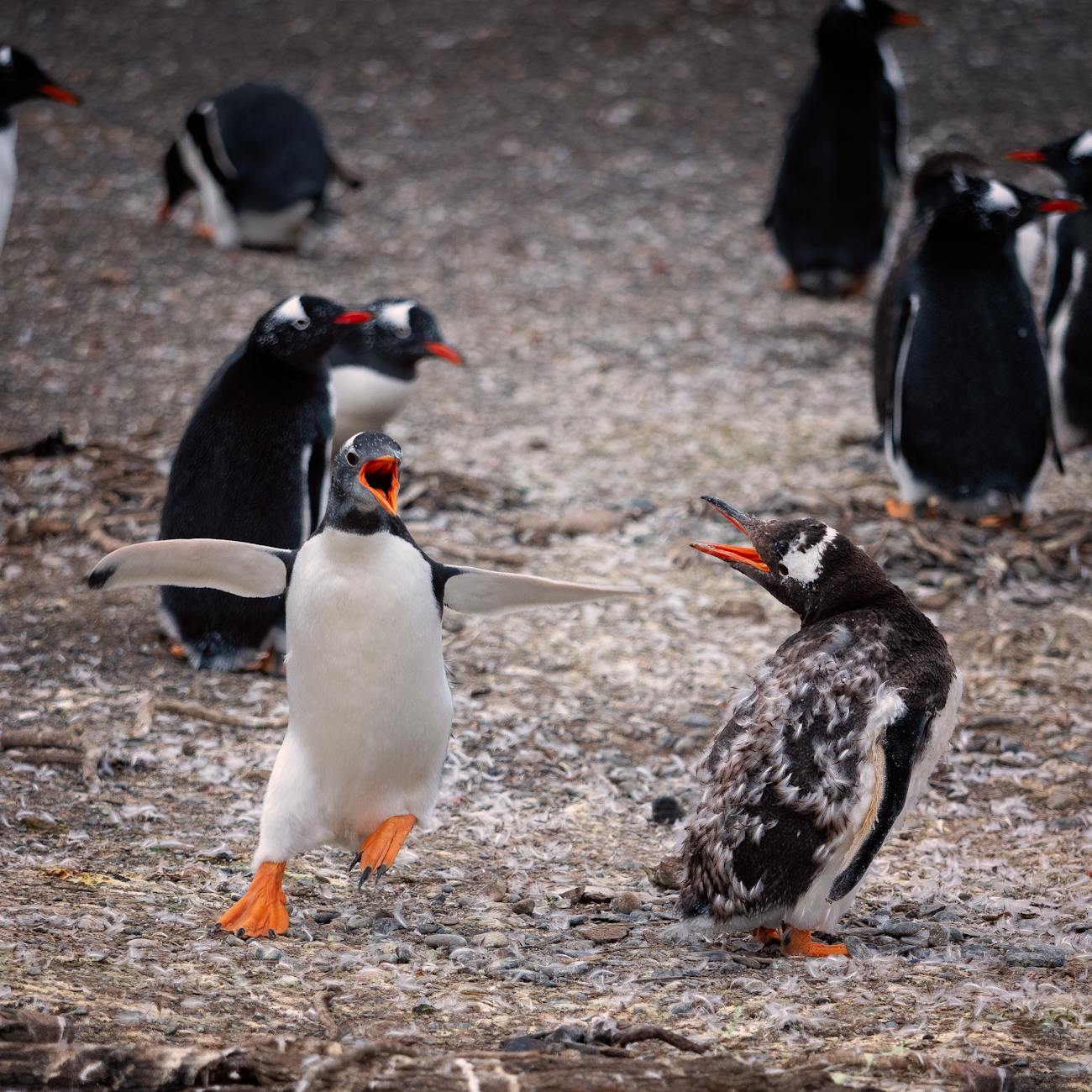
Penguin Health and Welfare #
Penguin health and welfare refer to the overall well #
being and physical condition of penguins in captivity or in the wild. It encompasses various aspects such as diet, habitat, behavior, and medical care to ensure that penguins are healthy and thriving. Proper management of penguin health and welfare is crucial for their longevity and reproductive success.
Body Condition Score (BCS) #
Body condition score (BCS) is a numerical scale used to assess the overall body… #
It takes into account factors such as weight, muscle tone, and fat stores to determine if a penguin is underweight, overweight, or at an ideal body condition. Maintaining a healthy body condition score is essential for penguins to thrive and reproduce successfully.
Brood Patch #
A brood patch is a bare patch of skin on the abdomen of adult penguins that is u… #
The brood patch is rich in blood vessels and helps regulate the temperature of the developing embryo or chick. It is a crucial adaptation that allows penguins to rear their offspring in cold Antarctic conditions.
Chick Rearing #
Chick rearing is the process by which adult penguins care for and nurture their… #
This includes feeding, protecting, and keeping the chicks warm during the early stages of their development. Successful chick rearing is essential for the survival of the species and requires careful monitoring and management by penguin keepers.
Dietary Requirements #
Dietary requirements refer to the specific nutritional needs of penguins to main… #
Penguins have a unique diet that consists primarily of fish, squid, and krill. It is essential to provide penguins with a balanced diet that meets their energy and nutrient requirements to ensure their overall health and reproductive success.
Enrichment #
Enrichment refers to the provision of stimulating and engaging activities or obj… #
Enrichment activities can include toys, puzzles, and sensory experiences that encourage natural behaviors such as foraging, swimming, and socializing. Enrichment is vital for preventing boredom and promoting the overall welfare of penguins in captivity.
Feather Health #
Feather health is an essential aspect of penguin welfare, as feathers play a cru… #
Healthy feathers are necessary for penguins to regulate their body temperature and stay buoyant in the water. Proper grooming, diet, and environmental conditions are essential for maintaining feather health in penguins.
Guard Hairs #
Guard hairs are the long, stiff feathers that provide structural support and pro… #
Guard hairs help to repel water and maintain the insulating properties of the plumage. They are essential for keeping penguins warm and dry in cold Antarctic waters.
Incubation #
Incubation is the process by which penguins warm and hatch their eggs by sitting… #
Incubation is a critical stage in the reproductive cycle of penguins, as it ensures the survival of the developing embryo. Both male and female penguins take turns incubating the eggs to share the responsibility of caring for the offspring.
Juvenile Penguins #
Juvenile penguins are young penguins that have recently fledged and are learning… #
Juvenile penguins may not have fully developed their adult plumage or behavioral skills and are more vulnerable to predation and environmental threats. Providing a safe and supportive environment for juvenile penguins is essential for their survival.
Kleptoparasitism #
Kleptoparasitism is a feeding strategy in which one penguin steals food from ano… #
This behavior is common among penguins, especially during the breeding season when food resources are limited. Penguins may engage in kleptoparasitism to obtain a meal quickly without expending energy on foraging.
Leg Bands #
Leg bands are small, colored bands that are placed around the legs of penguins f… #
Leg bands are often used by researchers and conservationists to track the movements and behaviors of individual penguins in the wild. Proper banding techniques and monitoring are essential to minimize any negative impact on the penguins' health and welfare.
Molt #
Molt is the process by which penguins shed and replace their feathers to maintai… #
Molting typically occurs once a year and is essential for penguins to replace worn-out feathers and maintain their insulating properties. During the molt, penguins are unable to swim or hunt and must fast until their new feathers have fully grown.
Nesting Behavior #
Nesting behavior refers to the actions penguins take to build and maintain their… #
Penguins may use rocks, pebbles, or other materials to construct their nests and create a safe environment for their eggs and chicks. Understanding nesting behavior is crucial for providing appropriate nesting materials and habitat for penguins in captivity.
Oil Gland #
The oil gland, also known as the preen gland, is a specialized gland located at… #
The oil gland produces a waxy substance that penguins spread over their feathers during preening to waterproof and condition their plumage. Proper functioning of the oil gland is essential for maintaining the insulating properties of the feathers and protecting penguins from water and cold temperatures.
Parental Care #
Parental care refers to the behaviors and actions penguins exhibit to care for t… #
Both male and female penguins play a role in parental care, including incubating the eggs, feeding the chicks, and protecting them from predators. Strong parental care is essential for the successful rearing of healthy and independent offspring.
Quarantine #
Quarantine is a period of isolation and observation that new penguins undergo to… #
Quarantine protocols typically involve monitoring the health of new arrivals, conducting diagnostic tests, and ensuring that they are free from any contagious pathogens. Quarantine is essential for maintaining the health and biosecurity of the penguin population.
Rehabilitation #
Rehabilitation is the process of providing medical treatment and care to injured… #
Rehabilitation programs may include physical therapy, medication, and dietary support to address the specific health issues of individual penguins. Successful rehabilitation requires skilled veterinary care and a commitment to the well-being of the penguins.
Swimming Ability #
Swimming ability is a critical aspect of penguin health and welfare, as penguins… #
Penguins have evolved to be efficient swimmers, with streamlined bodies, flipper-like wings, and dense bones that help them dive and navigate underwater. Monitoring the swimming ability of penguins can provide valuable insights into their overall health and fitness.
Temperature Regulation #
Temperature regulation is an essential physiological process that penguins use t… #
Penguins have adapted to extreme cold by developing thick layers of insulating feathers, a counter-current heat exchange system in their legs, and a high metabolic rate to generate heat. Proper temperature regulation is crucial for penguins to survive in their icy habitats.
Underwater Foraging #
Underwater foraging is the primary method penguins use to hunt for fish, squid,… #
Penguins are expert divers and swimmers, using their streamlined bodies and flipper-like wings to propel themselves through the water. Underwater foraging requires strong swimming abilities, keen eyesight, and agile maneuvering to catch fast-moving prey.
Veterinary Care #
Veterinary care is essential for maintaining the health and well #
being of penguins in captivity. Qualified veterinarians and veterinary technicians provide medical examinations, diagnostics, treatments, and surgeries to address health issues and injuries in penguins. Regular veterinary care helps prevent diseases, manage chronic conditions, and ensure the overall health of the penguin population.
Water Quality #
Water quality is a critical factor in maintaining the health and welfare of peng… #
Clean and well-oxygenated water is essential for penguins to swim, dive, and forage effectively. Monitoring water quality parameters such as temperature, pH, salinity, and pollutant levels is essential for ensuring the optimal living conditions for penguins in captivity.
X #
ray Imaging:
X-ray imaging is a diagnostic tool used by veterinarians to visualize the intern… #
X-rays can detect fractures, foreign objects, and internal abnormalities that may require further treatment or surgery. X-ray imaging is a non-invasive and valuable tool for assessing the health of penguins without causing unnecessary stress or discomfort.
Yolk Sac #
The yolk sac is a nutrient #
rich membrane that provides essential nutrients and energy to developing penguin embryos. The yolk sac is attached to the embryo's abdomen and is absorbed as the chick grows and matures inside the egg. Adequate yolk sac development is crucial for the proper growth and development of penguin embryos before hatching.
Zooplankton #
Zooplankton are small aquatic organisms that serve as a primary food source for… #
Zooplankton such as krill, copepods, and small fish are rich in protein and essential nutrients that penguins need to survive and thrive. Changes in zooplankton populations can impact the availability of food for penguins and their reproductive success.
In conclusion, understanding the health and welfare of penguins is essential for… #
By implementing proper management practices, providing a nutritious diet, ensuring veterinary care, and promoting natural behaviors, penguins can live healthy and fulfilling lives in captivity or in the wild. By focusing on the specific needs and behaviors of penguins, trainers and keepers can enhance the quality of care and support the long-term sustainability of penguin populations for future generations.